
Quick Read
- Marvel Studios completely reworked Daredevil: Born Again to align more closely with the tone of the original Netflix series.
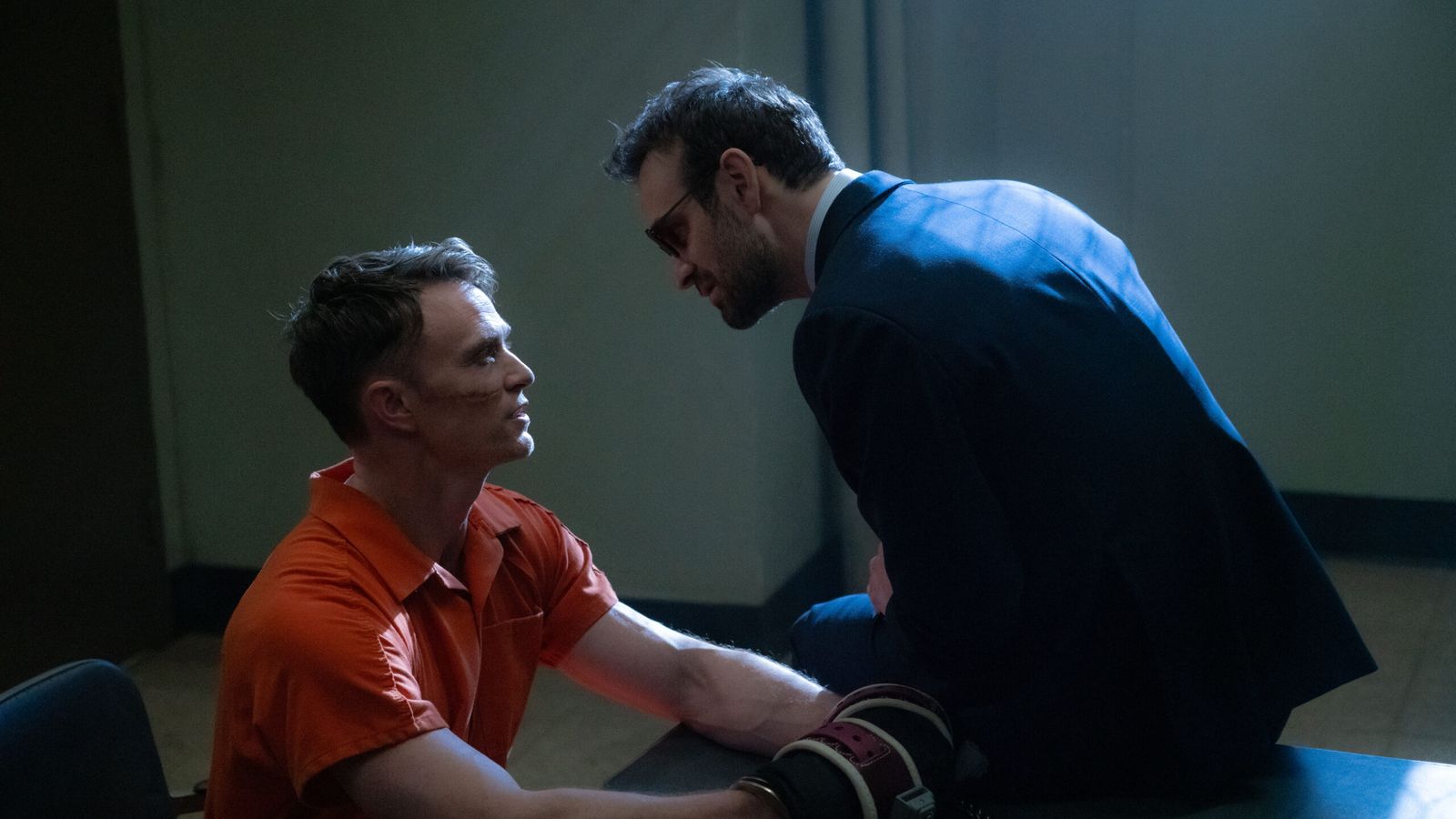
- Wilson Bethel returns as Bullseye, joining other legacy cast members in a structural overhaul of the show’s narrative.
- Showrunner Dario Scardapane utilized a ‘Frankenstein’ editing approach, re-sequencing existing footage and filming a new pilot to bridge the Netflix and MCU eras.
Marvel Studios has officially confirmed the complex creative surgery behind Daredevil: Born Again, detailing how showrunner Dario Scardapane rescued the production by transforming a stalled legal procedural into a direct continuation of the beloved Netflix era. This radical structural shift, which the production team dubbed an “about-turn,” was necessitated by the realization that early footage lacked the gritty, street-level brutality that defined the original series.
The Strategic Return of Wilson Bethel
Central to this revitalization was the re-integration of legacy characters who were initially excluded from the project. The overhaul specifically saw the return of Wilson Bethel as the lethal assassin Bullseye, alongside key figures like Elden Henson’s Foggy Nelson and Deborah Ann Woll’s Karen Page. These characters were brought back to restore the dark, character-driven pathos that Marvel executives found missing in the initial scripts overseen by Matt Corman and Chris Ord.
The Frankenstein Production Strategy
In a candid interview with USA Today, series lead Charlie Cox described the effort as a “Herculean task.” To avoid discarding months of production work, Scardapane utilized a unique “Frankenstein” editing method. The team filmed an entirely new pilot episode designed to bridge the gap between the 2018 Netflix finale and the current MCU, effectively serving as a soft reboot. The original six episodes, which were intended to be the series opener, were re-sequenced to serve as episodes two through seven.
Bridging the Netflix and MCU Eras
To ensure narrative cohesion, the production team filmed a series of interstitial scenes woven into the older footage. This allowed the show to maintain the “brutality and pathos” fans demanded while incorporating the original, high-quality performances that Marvel did not want to discard. A new two-part finale was also written and filmed to replace the original conclusion, ensuring the series stuck the landing for long-time followers of the Defenders saga.
The success of this creative reset serves as a rare admission from Marvel Studios that the initial attempt to distance itself from the Netflix-era tone was a miscalculation, signaling a broader pivot toward prioritizing established character dynamics over experimental genre shifts.