
Quick Read
- Approximately 90% of individuals with chronic kidney disease remain undiagnosed due to the lack of early symptoms.
- Routine testing for markers like GFR and proteinuria is essential for patients with diabetes, hypertension, or a family history of kidney issues.
- Lifestyle modifications, including moderate hydration and reduced sodium intake, are critical to mitigating the strain on renal function.
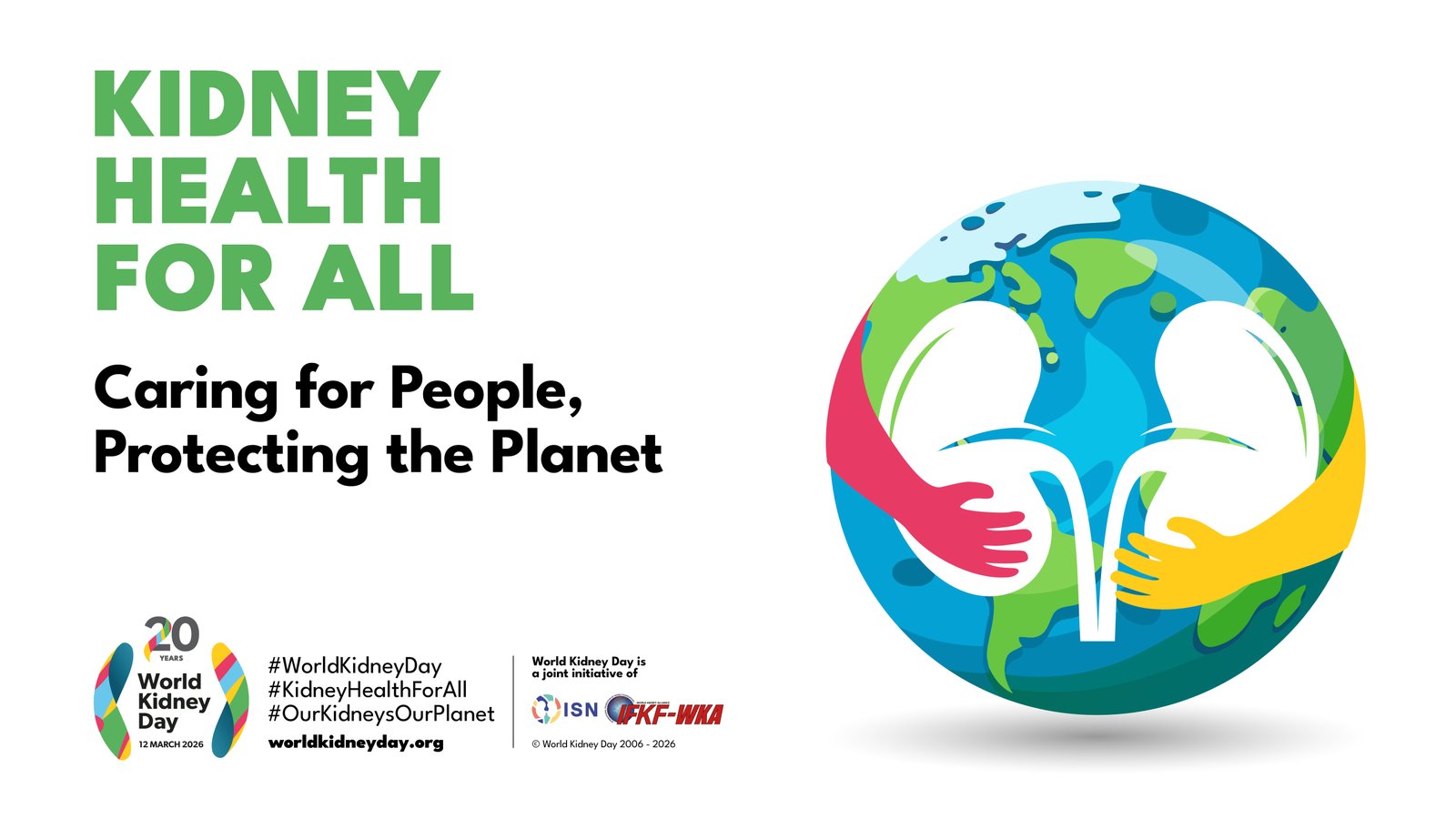
NEW YORK (Azat TV) – Health systems across the globe are observing World Kidney Day this March, aiming to confront what medical professionals describe as a “silent” public health crisis. With chronic kidney disease (CKD) often progressing without noticeable symptoms until advanced stages, the National Kidney Foundation (NKF) reports that approximately 90% of those living with the condition are unaware of their diagnosis.
The Silent Scope of Chronic Kidney Disease
In the United States alone, more than 37 million adults are estimated to have chronic kidney disease. The scale of the issue is compounded by the fact that one in three adults currently faces an elevated risk due to factors such as diabetes, high blood pressure, heart disease, obesity, or family history. Medical experts emphasize that early detection is the only effective way to slow or prevent the progression toward kidney failure, which necessitates life-sustaining interventions like dialysis or transplantation.
Clinical Guidance and Early Intervention
Advocacy groups and clinical leaders are pushing for a shift in how kidney health is monitored. Through initiatives like the Kidney Disease Outcomes Quality Initiative (KDOQI), clinicians are being urged to standardize testing protocols. Dr. Sagar Gupta, Director of Kidney Diseases & Transplant Medicine at Asian Hospital, notes that because kidney disease remains asymptomatic in its early phases, preventive screening is of paramount importance. Routine blood and urine tests, which measure markers such as the glomerular filtration rate (GFR) and proteinuria, remain the primary tools for identifying damage before it becomes irreversible.
Proactive Lifestyle Strategies for Renal Health
Beyond clinical intervention, urologists and renal specialists are emphasizing that lifestyle modifications can significantly reduce the burden on the kidneys. Dr. Deepak Kumar Rathi of Medanta, Gurugram, highlights that proper hydration, a balanced diet low in sodium, and the management of underlying conditions like hypertension and diabetes are non-negotiable for long-term health. Furthermore, specialists caution against the indiscriminate use of over-the-counter painkillers, particularly non-steroidal anti-inflammatory drugs (NSAIDs), which can degrade kidney tissues when taken regularly without medical supervision.
Addressing the Transplantation Gap
The urgency of these efforts is underscored by the current state of organ transplantation. More than 90,000 Americans are currently on the waiting list for a kidney, with 13 people dying each day while awaiting a donor. Recent reforms, including race-neutral evaluation tools and a modernized Kidney Donor Risk Index, are aimed at reducing organ discards and expanding access to lifesaving care. As these systemic improvements continue, the focus remains on individual awareness and the necessity of regular health check-ups to catch the silent markers of decline early.
The data suggests that while scientific innovation in xenotransplantation and policy reform are expanding the ceiling of care, the immediate burden on public health systems is driven by a lack of diagnostic screening, indicating that the most significant barrier to reducing kidney failure remains the delayed identification of the disease in its earliest, most treatable stages.