
Quick Read
- Xi Jinping met KMT chair Cheng Li-wun in the first high-level party-to-party talk in a decade.
- The KMT is currently blocking a $40 billion defense budget in Taiwan, pushing for a smaller $12 billion alternative.
- Beijing is leveraging the summit to create domestic division in Taiwan ahead of the 2028 presidential election.
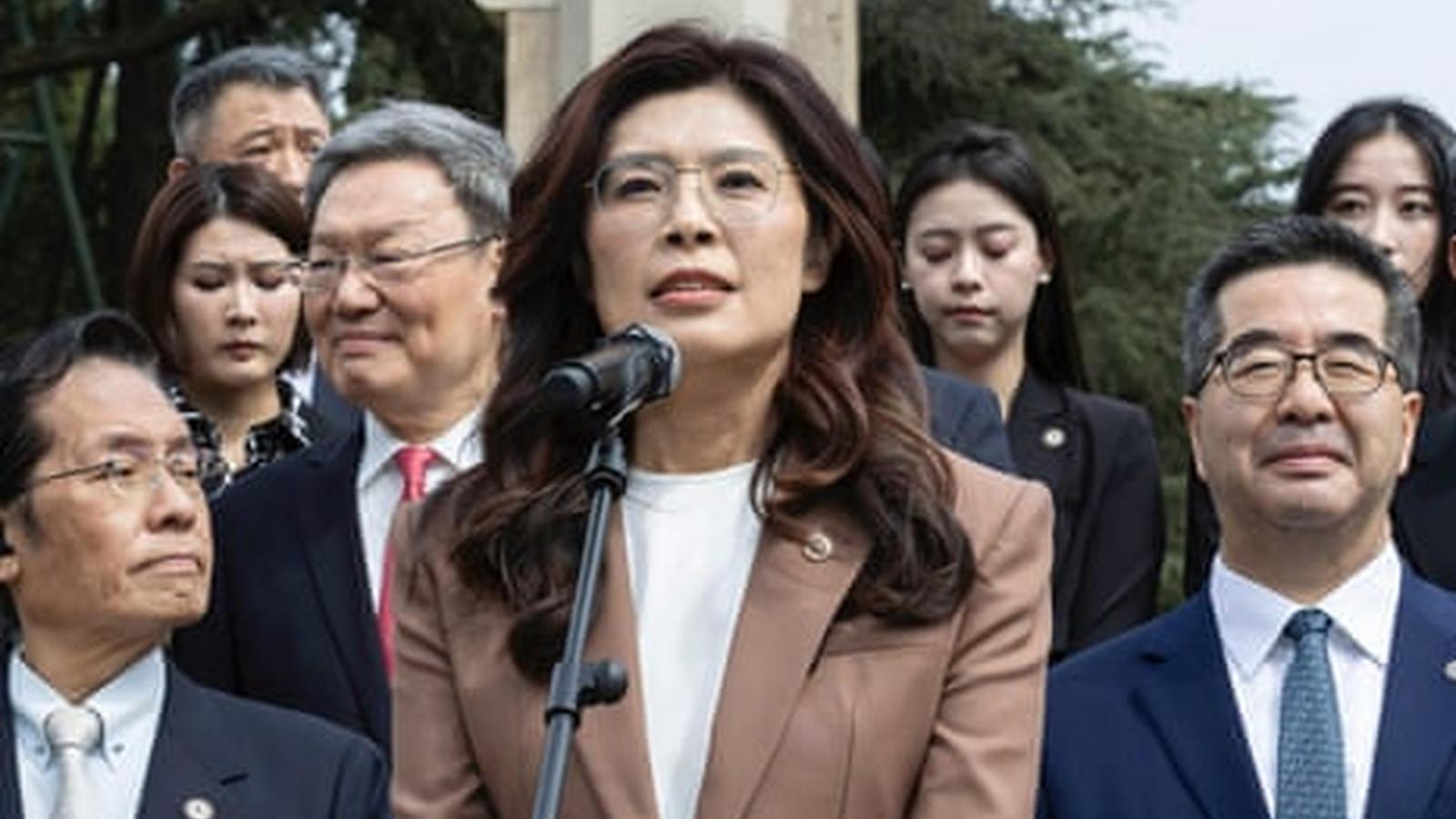
BEIJING (Azat TV) – Chinese President Xi Jinping welcomed Taiwan’s Kuomintang (KMT) chair Cheng Li-wun to Beijing on April 10, 2026, in the first high-level meeting between the Chinese Communist Party and a Taiwan opposition leader in a decade. The summit, held against the backdrop of a fragile ceasefire in the Middle East, signals a strategic pivot by Beijing to leverage internal Taiwanese political divisions ahead of the 2028 presidential election.
Shifting Cross-Strait Dynamics
The meeting between Xi and Cheng marks a stark departure from the current impasse between Beijing and the Democratic Progressive Party (DPP) administration of President Lai Ching-te. While Cheng framed the visit as a peace-oriented mission, critics in Taiwan have raised concerns regarding the KMT’s alignment with Beijing’s unification rhetoric. The optics of the visit, occurring as the People’s Liberation Army continues to conduct military drills around the island, highlight a dual-track strategy where Beijing pursues diplomatic engagement with opposition figures while maintaining significant military pressure.
Legislative Standoff and Defense Spending
Domestically, the visit has exacerbated a political crisis in Taipei over a proposed $40 billion special defense budget. The KMT, led by Cheng, has successfully blocked the current administration’s spending plan, favoring a significantly smaller $12 billion proposal focused on specific U.S.-approved military hardware. Analysts note that by hosting Cheng, Beijing aims to amplify domestic skepticism regarding the Lai administration’s defense priorities, essentially turning the question of Taiwan’s security into a point of intense partisan contention.
Regional Mediation Amid Global Volatility
The Beijing summit coincides with China’s broader efforts to position itself as a stabilizing force in the Middle East. Following its role in facilitating a temporary ceasefire between Iran and U.S.-backed forces, Beijing has sought to contrast its diplomatic approach with that of the Trump administration. However, experts warn that these diplomatic overtures do not signal a change in Beijing’s fundamental foreign policy or its approach to the Strait of Hormuz, where it recently joined Russia in objecting to UN-backed security measures.
The timing of this summit suggests that while Beijing is actively leveraging diplomatic channels to manage its regional influence, the fundamental structural tensions—ranging from the ongoing military posturing around the Taiwan Strait to the unresolved trade disputes with Washington—remain the primary drivers of current geopolitical instability.