
Quick Read
- Yamamori Izakaya in Dublin rejected noise claims from a Hoxton leaseholder in February 2026.
- The dispute highlights challenges in urban sound management for businesses and residents.
- Home recording enthusiasts seek cost-effective sound booths to improve vocal audio quality.
- The market offers portable soundproofing solutions for personal studios.
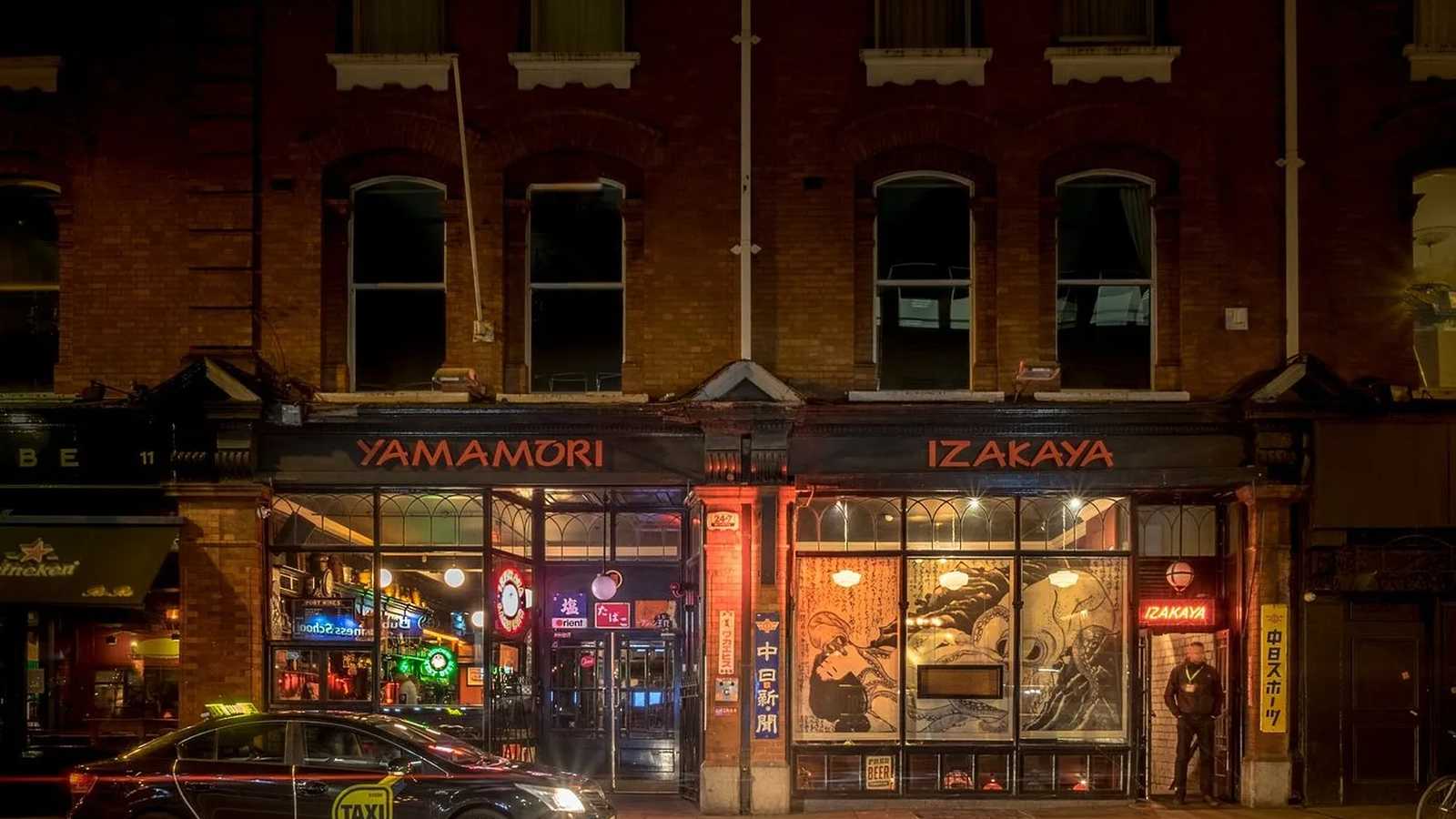
DUBLIN (Azat TV) – Yamamori Izakaya, a popular dining establishment in Dublin, has emphatically rejected claims made by a neighboring leaseholder in Hoxton regarding a noise dispute. This ongoing disagreement, surfacing in February 2026, casts a spotlight on the critical importance of sound management in densely populated urban environments, a challenge that extends from commercial spaces to the growing community of home recording enthusiasts.
Yamamori’s Stance on Noise Allegations
The core of the issue centers on allegations of excessive noise, which Yamamori Izakaya has “utterly rejected,” according to reports. While specific details of the claims made by the Hoxton leaseholder remain undisclosed, the public confrontation underscores the increasing sensitivity to acoustic disturbances in mixed-use areas. Businesses often grapple with balancing operational demands with the need to maintain a peaceful environment for neighbors.
This situation is not unique to Dublin; urban centers worldwide face similar conflicts where commercial activity, particularly from hospitality venues, can lead to disputes over noise levels. The rejection by Yamamori signals a firm defense against the accusations, suggesting a potential legal or mediation process to resolve the disagreement.
Acoustic Challenges Beyond Commercial Disputes
The principles of sound control highlighted by the Yamamori dispute extend far beyond commercial property lines. For home recording enthusiasts – including podcasters, musicians, and voice-over artists – managing ambient noise is paramount to achieving high-quality audio. The rise of digital content creation from home studios has amplified the need for effective, cost-efficient soundproofing solutions.
Many individuals are now actively seeking methods to enhance vocal recording quality, with sound booths emerging as a popular and accessible answer. These booths are designed to create a controlled acoustic environment, minimizing external noise interference and internal reflections that can degrade audio fidelity. The challenges faced by a restaurant like Yamamori in managing its sound footprint mirror, in principle, the efforts of a home producer trying to isolate their recording space from a noisy street or household.
Cost-Effective Sound Booths for Home Studios
The market for soundproofing solutions has adapted to meet the demands of home recording. Portable and modular sound booths offer a practical alternative to expensive, custom-built studio spaces. These units vary in size and acoustic performance but share the common goal of providing a dedicated, quiet space for vocal and instrument recording. Materials like acoustic foam, mass loaded vinyl, and specialized panels are integrated to absorb sound waves and prevent their escape or intrusion.
The emphasis on “cost-effective” solutions reflects a broader trend where professional-grade audio quality is becoming more attainable for individuals on a budget. Online tutorials and DIY guides also empower enthusiasts to build or modify existing spaces, further democratizing access to improved recording environments. This shift signifies a growing understanding that sound quality is as crucial as equipment for professional-sounding outputs.
The Future of Urban Acoustics and Personal Soundscapes
The Yamamori Izakaya noise dispute and the concurrent demand for home recording sound solutions collectively point to an evolving landscape of acoustic awareness. As urban areas become denser and digital creation more prevalent, the ability to control and shape one’s sound environment, whether for business operations or creative pursuits, will only grow in importance. Innovations in sound-dampening materials and smart acoustic design will be crucial in navigating these modern challenges.
The ongoing noise dispute involving Yamamori Izakaya serves as a tangible reminder that effective sound management is not merely a legal or commercial necessity but a foundational element influencing quality of life and creative output in contemporary society.