
Quick Read
- Yosemite has begun leaving major entrance gates unstaffed, requiring visitors to pay upon exiting the park.
- Employee reports indicate that permanent gate staffing is roughly 50% below required levels due to ongoing NPS personnel cuts.
- The lack of on-site rangers has been linked by observers to a rise in rule-breaking and operational instability within the park.
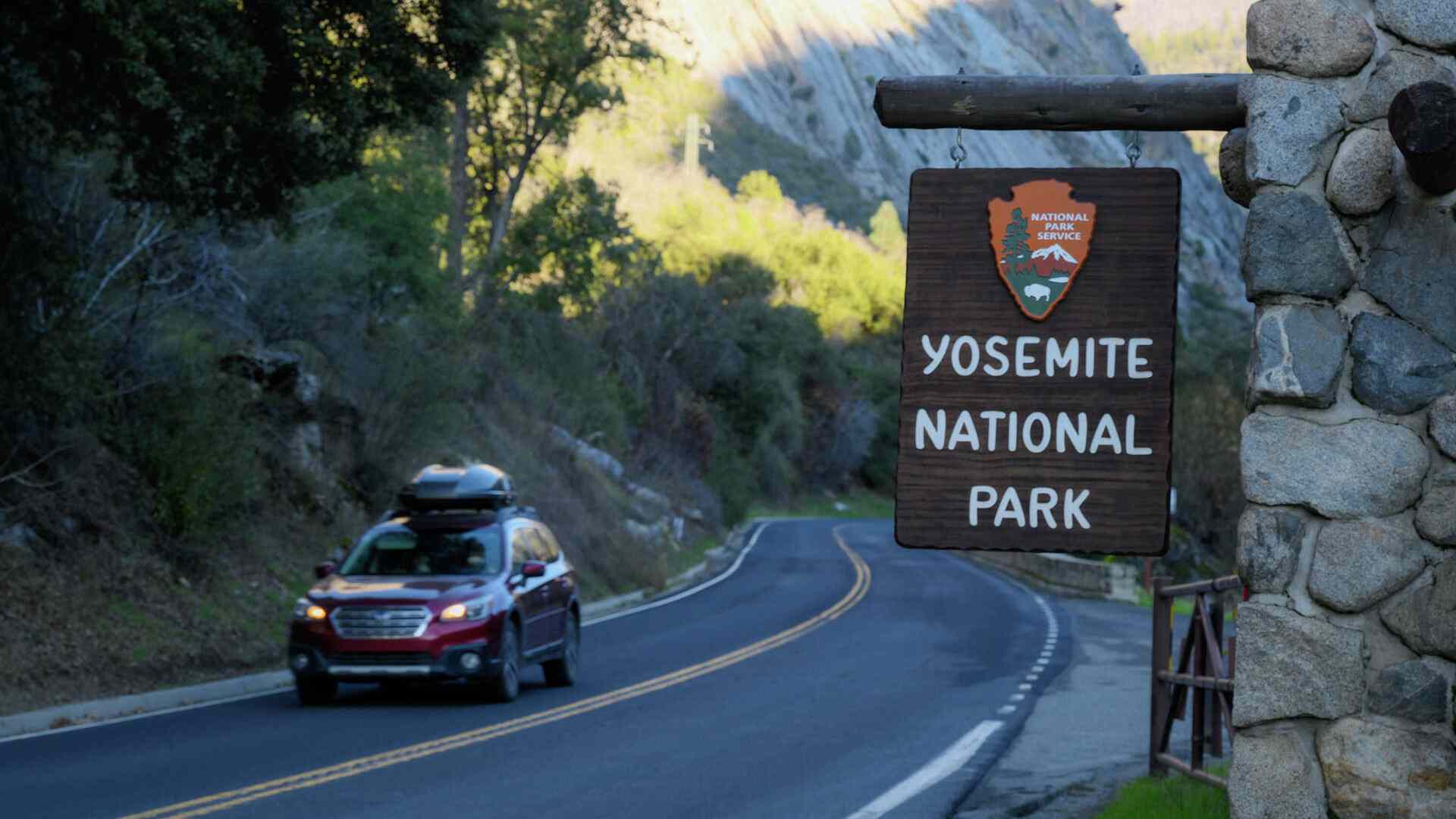
Yosemite National Park is facing an operational crisis as key entrance gates have begun operating without staff, forcing the park to rely on visitor compliance to collect entry fees. Recent reports confirm that major entry points, including the Big Oak Flat and Arch Rock entrances, have been left unstaffed for extended periods, even during high-traffic weekends. New signage at these locations now instructs visitors to pay upon exiting the park, a shift that employees warn is a direct consequence of a deepening staffing deficit.
Staffing Shortages and Operational Strain
Internal estimates from park employees suggest that current permanent gate staffing levels have plummeted to roughly 50% of full capacity. This decline is part of a broader trend within the National Park Service (NPS), which has seen its workforce shrink by approximately 24% since 2025, reaching a two-decade low. While an NPS spokesperson argued that staffing adjustments are routine and based on seasonal visitation needs, employees maintain that the current situation is an emergency measure necessitated by the inability to maintain full-time coverage.
Impact on Park Management and Visitor Behavior
The lack of on-site personnel has sparked fears regarding both revenue loss and public safety. Beyond the fiscal impact of uncollected fees, the absence of rangers at entry points coincides with reports of increased rule-breaking, including unauthorized drone flights, littering, and cliff jumping. Elisabeth Barton, co-owner of a local guided tour company, expressed deep concern over the park’s ability to handle current visitor volume, stating that the current operational model appears unsustainable in the long term.
The Broader Context of National Park Accessibility
The situation at Yosemite mirrors ongoing challenges at other major sites, such as Zion National Park, where similar staffing cuts led to unstaffed booths and long-term concerns from local officials about the viability of park operations. As the National Park Service braces for potential budget cuts in 2027, the reliance on self-reporting and sporadic staffing suggests a transition away from traditional park management. Despite these operational hurdles, advocates emphasize that the inherent value of these landmark destinations remains a critical component of the American experience, even as the administrative infrastructure struggles to keep pace with record-breaking demand.
The persistent decline in National Park Service staffing, coupled with anticipated budget constraints for 2027, indicates that the current “pay-upon-exit” model at Yosemite may be a precursor to a long-term shift in how federal lands are managed and protected, potentially trading comprehensive oversight for basic accessibility.