
Quick Read
- Yuki Tsunoda must deliver consistent results in the final F1 rounds to keep his Red Bull seat.
- Isack Hadjar is favored to join Max Verstappen at Red Bull in 2026, increasing pressure on Tsunoda.
- Tsunoda’s only external option, Alpine, is unlikely, with the team preferring other candidates.
- Recent upgrades have improved Tsunoda’s performance, but reliability issues persist, especially in Mexico.
- Red Bull demands better long-run pace; team advisor Helmut Marko sees room for improvement.
Tsunoda’s Red Bull Seat: The Stakes Are Higher Than Ever
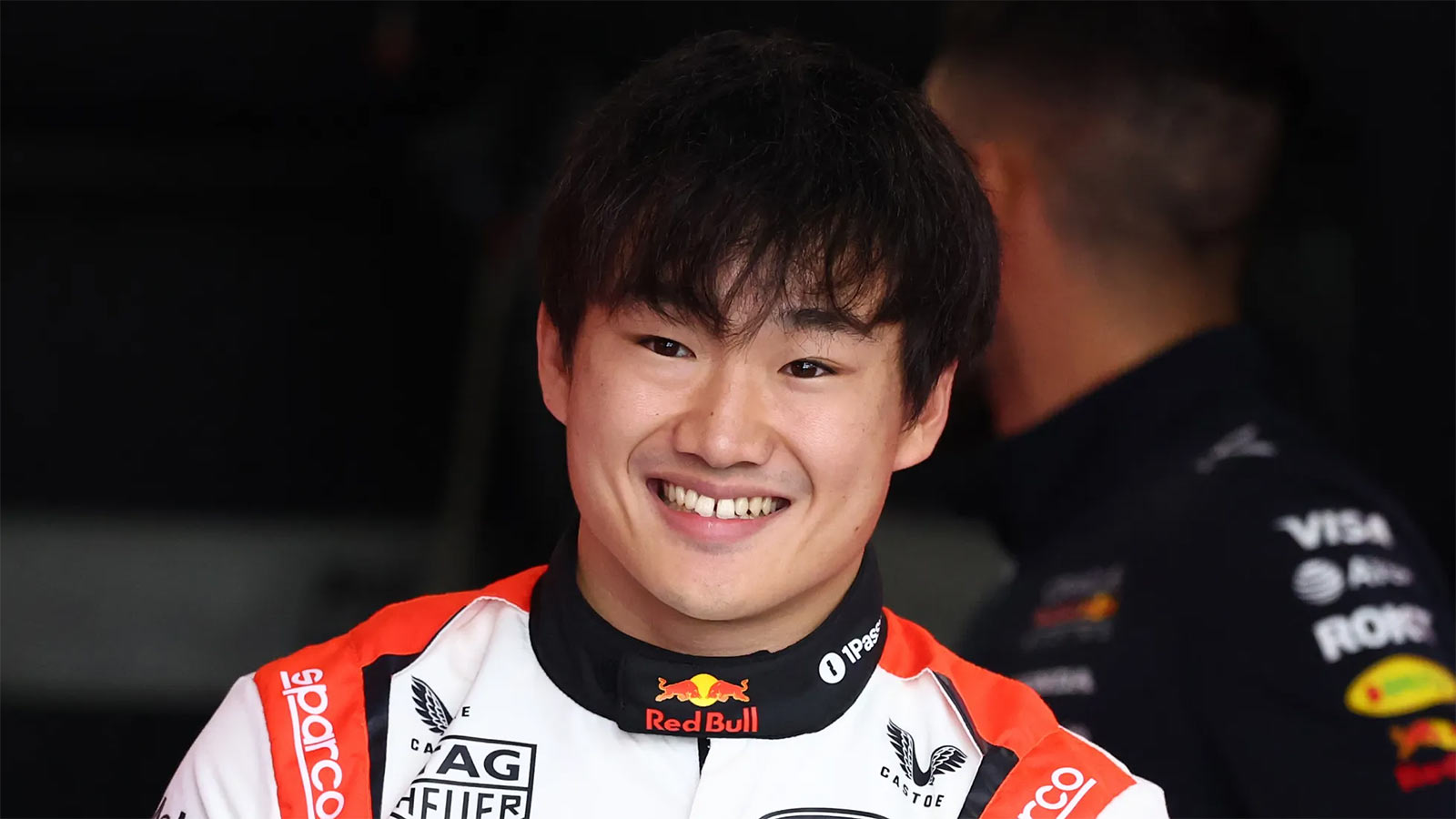
For Yuki Tsunoda, the closing chapters of the Formula 1 season are more than just a race against the clock—they’re a fight for his very future in the sport. The Japanese driver, now in the crosshairs of Red Bull’s selection process, knows exactly what’s on the line. “I guess the results, right?” Tsunoda reflects, the weight of each lap palpable in his words. The mandate is clear: deliver consistent results and support the team’s championship ambitions, or risk being sidelined.
With just five rounds left, Tsunoda’s situation is precarious. Red Bull’s top brass are scrutinizing every move, every qualifying session, and every race result. The specter of being relegated to Racing Bulls—or losing his seat entirely—looms large. Isack Hadjar is widely tipped to join Max Verstappen at Red Bull in 2026, shifting Tsunoda’s battle to the margins, where he’s pitted against Liam Lawson and Arvid Lindblad for a future in F1.
Competition Intensifies: Few Options, Fierce Rivals
The reality for Tsunoda is stark. Beyond the Red Bull stable, only one external seat—at Alpine—remains theoretically open. But even there, the odds are slim. Team advisor Flavio Briatore has signaled preference for either Franco Colapinto or Paul Aron, leaving Tsunoda out of contention. For the 25-year-old, the fight is not just about keeping a seat—it’s about proving he belongs among F1’s elite.
“It’s been a crucial moment as a team and also for the championship, especially with my teammate,” Tsunoda says. His role is evolving: not just to score points, but to actively bolster Verstappen’s title chase and help Red Bull secure the runner-up spot in the constructors’ championship. “So how much I can support that,” he muses, hinting at the delicate balance between individual ambition and collective responsibility.
Performance Under the Microscope: Recent Progress and Persistent Challenges
It hasn’t been a smooth ride. Since stepping in for Lawson two rounds into the year, Tsunoda has grappled with form and consistency. Yet, there are signs of improvement. The RB21 floor update for the Azerbaijan Grand Prix paid dividends: sixth place in Baku, followed by a pair of seventh-place finishes at the Circuit of the Americas. “I’m showing good things each race,” Tsunoda asserts, his confidence buoyed by incremental gains.
But the pressure is relentless. Red Bull’s technical advisor Helmut Marko, ever the demanding taskmaster, has voiced concerns about the team’s pace—especially on long runs. After practice in Mexico, Marko was unsatisfied despite Verstappen topping FP2. “Over a single lap, we are fast and competitive, but the long run was not great, and especially on the mediums, we are clearly behind McLaren,” Marko told SkyDe. The message to Tsunoda and the team is unmistakable: improvement is non-negotiable.
Mexico City: A Symbolic Struggle and Unfinished Business
Mexico City has become a bittersweet stage for Tsunoda. In a poignant tribute, he drove the legendary Honda RA272 to celebrate Honda’s first F1 victory, nearly 60 years ago. Yet, the moment was marred by mechanical failure—unable to select second gear, he crawled to a halt before completing even a full lap. This marked his fourth retirement in five attempts at the circuit, echoing past disappointments in 2021, 2022, and 2024.
The symbolism is hard to miss: Tsunoda’s journey mirrors Honda’s own struggles and triumphs. Each setback in Mexico underscores the unpredictable nature of motorsport, where tradition and progress collide. For Tsunoda, the challenge is both technical and psychological—how do you keep pushing when the odds seem stacked against you?
Looking Ahead: What Will Decide Tsunoda’s Fate?
As the season winds down, Tsunoda’s path is clear but fraught with uncertainty. His own words capture the essence of his predicament: “What I have to do is quite clear.” Consistency, points, and unwavering support for the team are his lifelines. The final rounds will be a test not just of skill, but of resilience and adaptability.
Red Bull’s internal dynamics add another layer of complexity. With Hadjar’s rise and Verstappen’s championship pursuit, every decision is magnified. For Tsunoda, the margin for error is razor-thin. “I’m in the right trajectory, especially in the second half of the season,” he insists. But in Formula 1, trajectories can shift in an instant.
The paddock is watching. Rivals are circling. Tsunoda’s fate will be decided by the cold calculus of results—and the intangible qualities that make a driver indispensable. Will he seize the moment, or will history repeat itself?
Tsunoda’s journey is a study in perseverance amid pressure. As Red Bull recalibrates its strategy and the season’s final laps tick away, his story exemplifies the relentless demands of Formula 1—where every race is an audition, and the smallest margin can tip the scales between triumph and disappointment.