
Quick Read
- Zac Lomax cannot sign with another NRL club until 2028 due to Parramatta Eels’ contract conditions.
- Melbourne Storm’s bid for Lomax was rejected; Super Rugby clubs like the Brumbies and Western Force remain interested.
- Lomax is considering legal options to challenge his release restrictions and open more career opportunities.
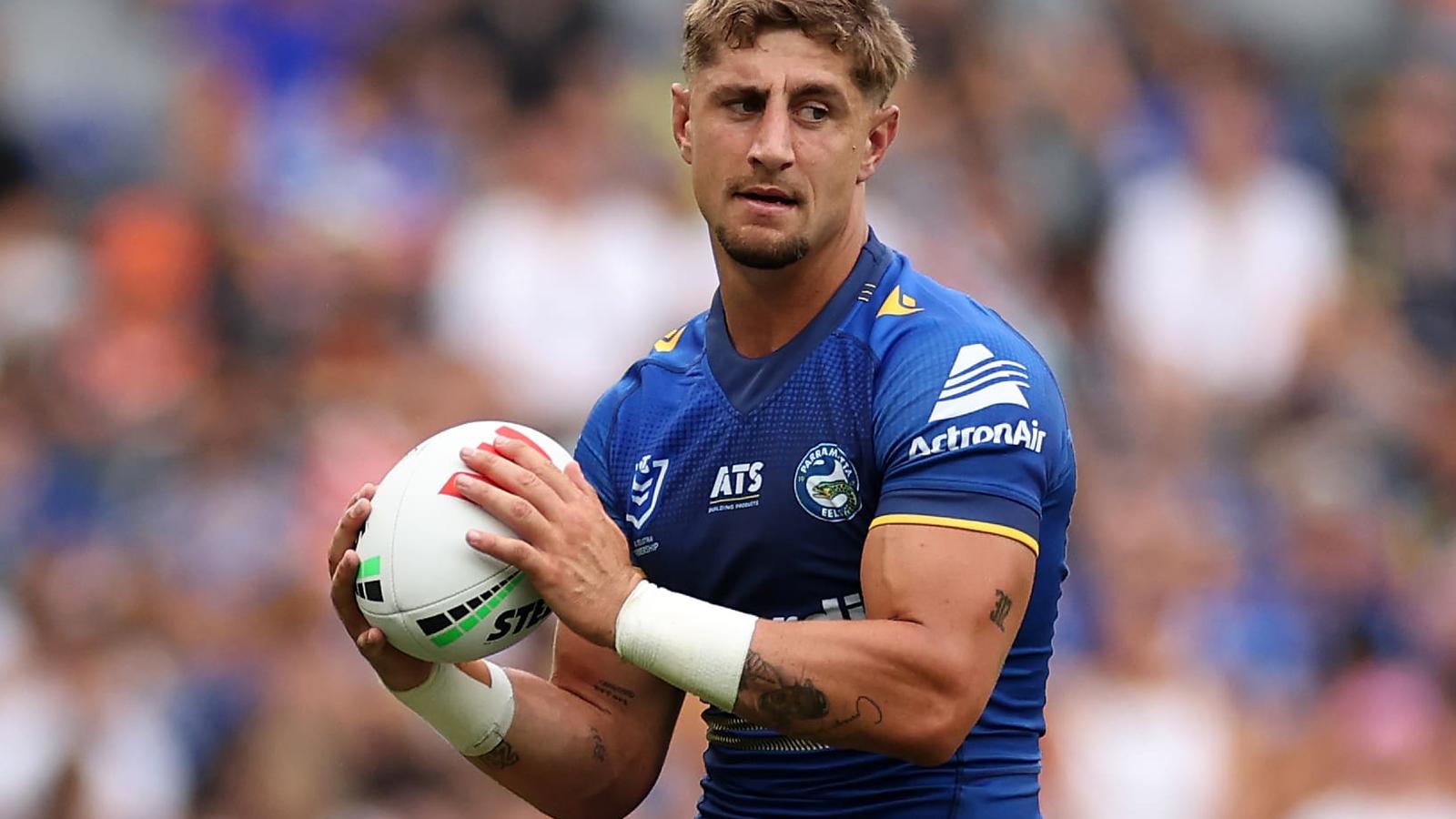
Zac Lomax, a talented 26-year-old outside back, has become the focal point of a complicated sporting standoff, caught between the National Rugby League (NRL) and the rugby union world. Despite being under contract with the Parramatta Eels until 2028, Lomax was granted an early release late last season. But this release came with a string attached: he cannot join another NRL club until the end of his original contract.
Contract Restrictions and the Eels’ Position
Lomax’s contractual situation is unusually restrictive. The Parramatta Eels allowed him to leave with roughly 19 games remaining on his four-year deal, but imposed a condition that blocks him from signing with any other NRL club until 2028. The intent was clear: Parramatta wanted to avoid strengthening a direct competitor, even as they parted ways with one of their most promising talents.
This clause has become the main obstacle for both Lomax and interested clubs. Melbourne Storm, eyeing Lomax to fill gaps left by several recent departures and injuries, approached Parramatta for a deal. Their request was swiftly rejected, according to Sporting News. The Eels, recognizing Lomax’s market value, are reportedly holding out for a significant compensation package—likely a player of similar caliber—in exchange for waiving the restriction.
Rugby Union: Opportunity or Compromise?
With his NRL options limited, Lomax has turned to rugby union, where his skills and experience have generated interest across several countries. Japanese, French, and American clubs have reportedly reached out, but the most concrete offers appear to be coming from Australia’s Super Rugby teams. The Western Force, for instance, have reportedly put forward a two-year, $900,000 proposal, while the ACT Brumbies have a clear opening in their outside-back roster following Tom Wright’s ACL injury.
Brumbies coach Stephen Larkham told Canberra Times that Lomax’s background in both rugby codes—dating back to his days in Temora—makes him an attractive prospect. “Any player keen to play rugby should be considered,” Larkham noted, underlining Lomax’s versatility and potential impact. The Brumbies, currently in pre-season training, have trials scheduled in the coming weeks, and a 40-player Wallabies squad is in Sydney, with eight Brumbies among the group.
Despite these opportunities, a move to Australian rugby would mean a pay cut for Lomax. He was due to earn $700,000 with Parramatta, and his previous St George Illawarra contract would have paid him $850,000. The Western Force’s offer, while substantial, is still lower than his NRL earnings.
Legal Challenges and Unresolved Questions
The story has taken a legal turn, with Lomax reportedly seeking advice to challenge the restrictive clause imposed by Parramatta. If successful, this could open the door for other NRL clubs to bid for his services. However, as of now, the clause remains in place, and the Eels have shown no sign of backing down.
The delay of the R360 rugby competition, initially seen as a potential landing spot for Lomax, has further complicated matters. With the league postponed until at least 2028, Lomax is left to consider other avenues, none of which offer the certainty or financial reward of his previous NRL trajectory.
Wallabies and Broader Player Movements
Wallabies scrumhalf Tate McDermott, when asked about Lomax, expressed indifference to the situation. “We’ve got bigger fish to fry,” McDermott told News.com.au, pointing to the depth of talent already present in the national squad. He acknowledged Lomax’s ability but stressed that the focus remains on those players currently committed to rugby union, such as Max Jorgensen.
The 2026 NRL season is already seeing significant player movement, with stars like Keaon Koloamatangi, Daly Cherry-Evans, Dylan Brown, and others switching clubs. Lomax’s situation stands out not just for its contractual complexity, but for the attention it draws to the tensions between the NRL and rugby union, as well as the personal toll on players navigating these high-stakes negotiations.
As discussions continue, Lomax’s future remains unresolved. The outcome could have broader implications for how player releases and code-switching are handled in Australian sport.
Based on the facts presented, Zac Lomax’s case highlights the ongoing friction between athlete autonomy and club interests in professional sport. Unless Parramatta relents or legal avenues succeed, Lomax’s options remain limited—underscoring the power clubs can wield over player mobility and career trajectory.