
Quick Read
- Zohran Mamdani leads NYC mayoral polls with double-digit margins.
- Eric Adams dropped out; his supporters are unlikely to close the gap for Andrew Cuomo.
- Youth turnout for Mamdani is the highest NYC has seen, with most support under age 35.
- Mamdani identifies as a democratic socialist, rejecting ‘communist’ labels.
- Top Democratic leaders have withheld endorsement despite Mamdani’s momentum.
Zohran Mamdani’s Lead Shakes Up the NYC Mayoral Race
For months, New York City’s 2025 mayoral election has been defined by an unexpected frontrunner: Zohran Mamdani, a democratic socialist whose rise has disrupted the city’s political establishment and captured the imagination of a new generation of voters. As the polls roll in, the numbers tell a story that few insiders anticipated.
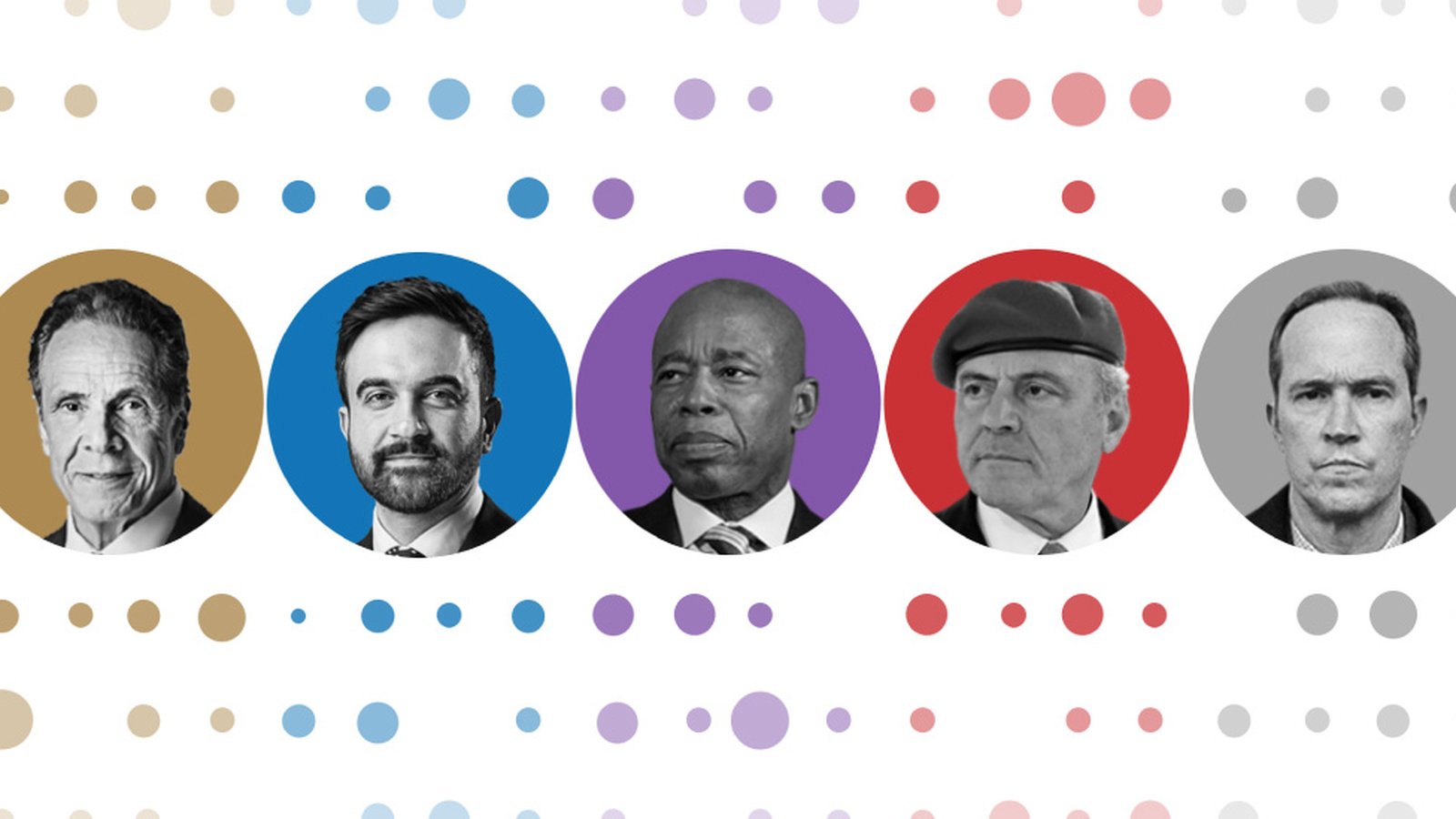
In poll after poll—Beacon Research, Suffolk University, YouGov, Marist College, Quinnipiac University, and more—Mamdani has consistently posted double-digit leads over rivals Andrew Cuomo, Eric Adams, and Curtis Sliwa. The margins are not narrow: recent surveys show Mamdani ahead by as much as 28 points, with support hovering around 45-50 percent. Even as the field shifted, with incumbent Mayor Eric Adams dropping out in September, Mamdani’s grip on the race has only tightened. According to The New York Times, Adams’ supporters seem more inclined to back Cuomo, but with Adams polling under 10 percent, the impact is negligible.
What’s driving this surge? The answer lies partly in Mamdani’s appeal to younger voters, his unapologetic progressive platform, and his ability to connect the dots between economic justice and everyday life. On the campaign trail and in media appearances, Mamdani has made his case in clear, direct language. “I’m a democratic socialist. I believe in dignity for all people,” he told viewers on The View when pressed about President Donald Trump’s accusation that he’s a communist. Citing Dr. Martin Luther King Jr., Mamdani framed his politics as a call for a better distribution of wealth—a message that resonates deeply in a city marked by stark inequality.
Youth Turnout and the Changing Face of NYC Politics
Perhaps the most striking aspect of Mamdani’s campaign is the wave of youth engagement it has sparked. “We made the top three highest performing age groups, all under the age of 35. That’s something we haven’t seen in this city before,” Mamdani told Fox News. For years, political strategists have worried about young people drifting away from the Democratic Party. Mamdani flipped the script, building a movement that treats their concerns with respect rather than condescension.
This youth-driven momentum has shifted the city’s political landscape. The polls, which once underestimated Mamdani’s support, now reflect a groundswell that’s hard to ignore. As Ruth Igielnik of The New York Times notes, Mamdani ultimately won the Democratic primary with more than 56 percent of the vote after ranked-choice tabulation—a result that exceeded even optimistic forecasts.
Yet, not everyone is convinced. Critics have questioned Mamdani’s readiness for the job, citing his lack of traditional executive experience. On The View, co-host Alyssa Farah Griffin voiced concerns: “I’m very nervous about this potential new mayor here because this city does have real problems, and you need somebody with experience. He’s had no real job that makes him ready to run one of the biggest economies in New York City.” Mamdani, for his part, has countered that fresh perspectives and bold ideas are exactly what the city needs.
Political Establishment Faces an Unfamiliar Challenge
Mamdani’s rise has put pressure on the city’s Democratic powerbrokers. Despite his polling strength, endorsements from top party leaders like House Minority Leader Hakeem Jeffries and Senate Minority Leader Chuck Schumer have been conspicuously absent. When pressed about this, Mamdani was candid: “I can’t speak to their interests. What I can tell you, however, is that what we have built in this city is also an indication of what politics can be.”
For some, Mamdani’s platform is a breath of fresh air—an antidote to decades of incrementalism. For others, it’s a source of anxiety. His campaign has pushed the city’s political dialogue leftward, making issues like wealth redistribution, police reform, and tenant rights central to the conversation. The old guard, meanwhile, is left to reckon with a base that is restless for change.
Andrew Cuomo, Mamdani’s closest rival, has tried to position himself as the candidate of experience and stability. But the polls tell a different story. Even in scenarios where Adams’ voters shift to Cuomo, Mamdani’s lead remains formidable. In fact, the polling data from NYT/Siena shows that the gap is unlikely to close, no matter how the support realigns.
The National Conversation: Labels, Ideologies, and the Future
Mamdani’s candidacy has also become a flashpoint in the national debate over the direction of the Democratic Party. President Trump’s attempts to brand Mamdani as a “communist” have made headlines, but Mamdani has been quick to reject the label. “No, I’m a democratic socialist,” he responded, emphasizing the difference. For Mamdani, the distinction is more than semantics—it’s about a vision for a fairer city and a more just society.
His message has cut through the noise, attracting support not just from progressives but from voters disillusioned with the status quo. As the campaign enters its final stretch, Mamdani has launched an anti-Trump tour across the five boroughs, framing his candidacy as a bulwark against authoritarianism and an invitation to reimagine what leadership in New York City could look like.
Media coverage has amplified the stakes. On Fox News, Mamdani’s rhetoric and the city’s shifting demographics have been scrutinized, with some commentators warning of “real problems” ahead if untested leadership takes the reins. Others see the moment as a long-overdue reckoning—a chance for New York to become a laboratory for bold, inclusive policy.
The challenge for Mamdani is clear: translate momentum into lasting change while navigating skepticism from the city’s power brokers and national pundits. The polls suggest he’s well on his way, but the story of New York’s next mayor will ultimately be written not just in numbers, but in the lived experiences of its people.
Assessment: Zohran Mamdani’s campaign is more than a statistical anomaly—it’s a signal that New York City’s political center of gravity is shifting. His ability to mobilize young voters and articulate a clear progressive vision has redefined what’s possible in urban politics, forcing the establishment to confront new realities and recalibrate for a changing electorate.