
Quick Read
- Adelita Grijalva was sworn into Congress on November 12, 2025, after a seven-week delay.
- Her swearing-in provides the critical 218th signature to force a House vote on releasing Jeffrey Epstein investigation files.
- The delay was linked to political maneuvering over the Epstein files, with Speaker Mike Johnson citing procedural reasons.
- The discharge petition, backed by most Democrats and a handful of Republicans, aims to require the Justice Department to disclose unclassified Epstein records.
- The House vote is expected soon, but Senate approval and a presidential signature remain uncertain.
Who Is Adelita Grijalva? Her Path from Arizona to the Capitol
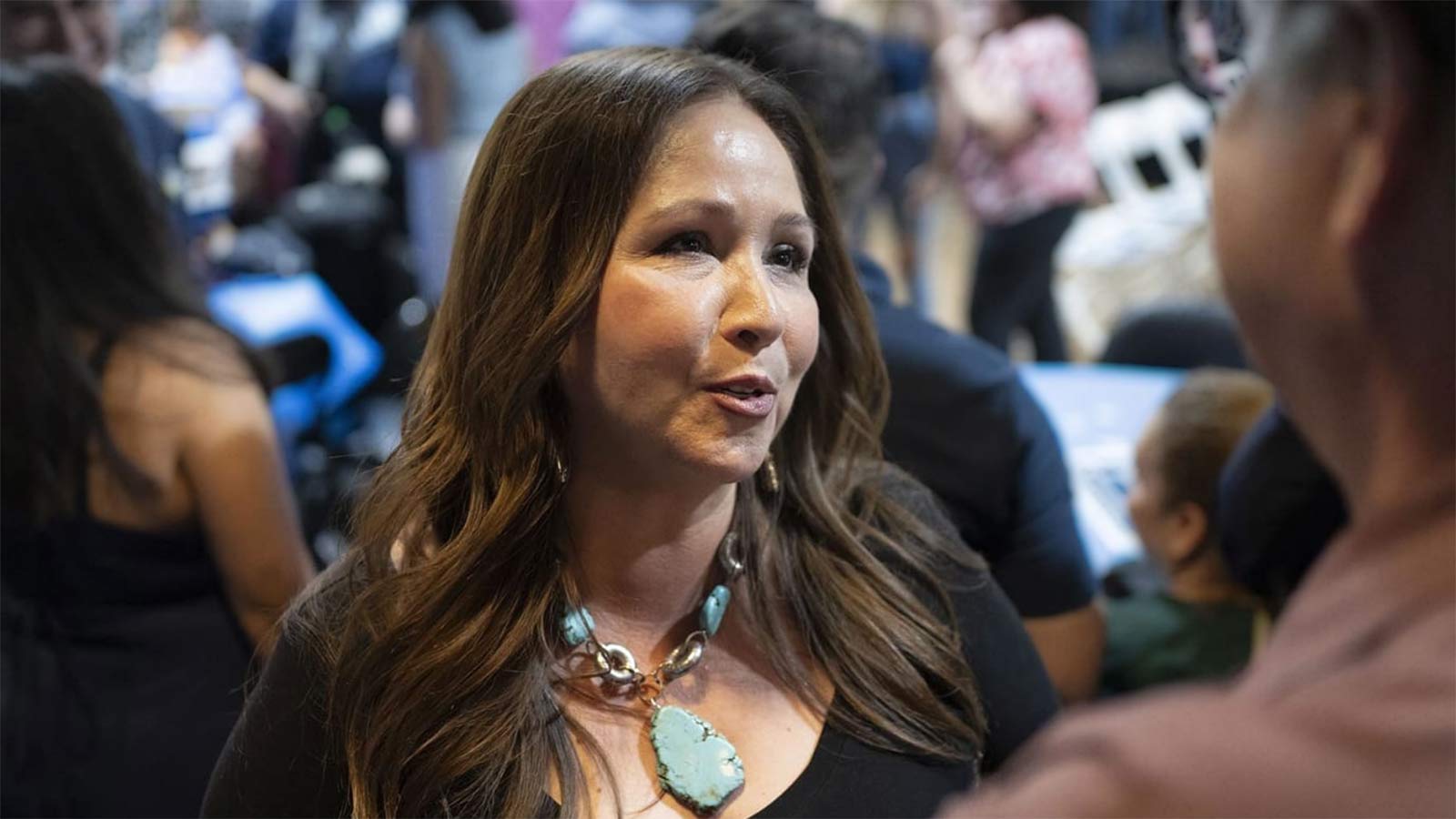
When Adelita Grijalva steps onto the floor of the U.S. House of Representatives, she’s not just marking the beginning of her congressional career—she’s ending a seven-week standoff that held up both Arizona’s representation and a fierce push for government transparency. Grijalva, a Democrat, was elected in September to fill the seat left vacant by her late father, Raúl Grijalva, a respected congressman who passed away in March. The weight of legacy and the urgency of the moment both rest on her shoulders.
Her swearing-in, scheduled for November 12, 2025, comes after a record-breaking delay. The holdup wasn’t just bureaucratic red tape; it became a flashpoint in a much larger national debate about accountability and secrecy. For nearly two months, more than 800,000 Arizonans went without full representation, as Speaker Mike Johnson kept the House out of session, citing the ongoing government shutdown. But behind the scenes, Democrats accused Johnson of stalling for a different reason: blocking Grijalva’s critical vote on a petition to force the release of sealed Justice Department files on Jeffrey Epstein, the financier whose death and connections have haunted U.S. politics for years. Fox 10 Phoenix and The Guardian both highlighted how Grijalva’s absence became a symbol for the struggle between transparency and political maneuvering.
Why the Epstein Files Matter—and Why Grijalva’s Signature Is Pivotal
The fight over the Epstein files has been a simmering source of tension since the Justice Department and FBI published a memo earlier in the year claiming there was no incriminating “client list” among Epstein’s records. This assertion directly contradicted public statements made by Kash Patel, now Trump’s FBI director, who had previously suggested otherwise. Many lawmakers and victims’ advocates believe a significant tranche of information remains sealed, with potential revelations about high-profile associates—including President $1.
Reps. Thomas Massie (R-Ky.) and Ro Khanna (D-Calif.) spearheaded the bipartisan “Epstein Files Transparency Act.” The bill would require the Justice Department to disclose all unclassified records related to Epstein and his co-conspirator Ghislaine Maxwell, with exceptions for victim privacy and classified material. The discharge petition for this bill needed 218 signatures to force a vote—a simple majority of the House. Grijalva’s swearing-in was set to provide the decisive, final signature.
For weeks, Democrats rallied outside the Speaker’s office, protesting what they saw as a deliberate delay. Arizona’s Democratic attorney general, Kris Mayes, even filed a lawsuit to seat Grijalva. Meanwhile, Republicans, including Speaker Johnson, insisted the delay was procedural, not political. Johnson argued that releasing all files risked exposing innocent people or victims who preferred privacy, though the bill itself allows for redactions to protect sensitive information.
Political Tensions and the Battle for Transparency
Grijalva’s impending signature represents more than a procedural milestone—it’s a turning point in Congress’s handling of the Epstein saga. The same morning as her scheduled swearing-in, House Oversight Democrats released previously unseen emails from Epstein’s estate. These included communications mentioning Trump, with allegations that he knew about Epstein’s activities and spent hours with a victim. The White House dismissed the emails as “selectively leaked” and part of a “fake narrative.” NBC News noted that the emails had not been independently verified.
Support for the discharge petition has come overwhelmingly from Democrats, with four Republican signatories: Massie, Marjorie Taylor Greene, Lauren Boebert, and Nancy Mace. Behind the scenes, Trump and his allies reportedly pressured Republicans not to sign, framing the push for transparency as a “Democrat Epstein Hoax.” The tension has exposed divisions not only between parties, but within the GOP itself, as some Trump supporters demand justice for Epstein’s victims.
Senator Ruben Gallego of Arizona accused Johnson of “covering up for pedophiles.” Grijalva herself, speaking to CNN, called the delay “undemocratic,” “unconstitutional,” and “illegal.” Her first act as a congresswoman: signing the discharge petition to finally bring the issue to a vote.
What Happens Next: House Vote, Senate Hurdles, and the Long Road to Accountability
With Grijalva’s 218th signature, House rules require that a vote on the Epstein Files Transparency Act be scheduled after seven legislative days. Most observers expect the bill to pass the House, given the strong Democratic support and public pressure. However, the next challenge lies in the GOP-controlled Senate, where prospects are uncertain. Even if the bill clears both chambers, it would need the president’s signature to become law—a scenario complicated by the Trump administration’s opposition.
For victims’ advocates, the pending vote is a crucial step. Many survivors of Epstein and Maxwell’s alleged abuse have spent years calling for full disclosure, hoping for justice and closure. At a September news conference, more than half a dozen women shared their stories, urging lawmakers to act. The fight for the files has become a proxy for broader debates about transparency, accountability, and the influence of powerful figures.
Meanwhile, the House Oversight Committee continues to release batches of records from both the government and Epstein’s estate. Some documents, like congratulatory letters from Epstein’s 50th birthday, have already circulated publicly. Others, including the newly released emails, raise fresh questions but also spark controversy about authenticity and political motives.
Legacy, Representation, and the Power of One Signature
Adelita Grijalva’s journey to Congress is deeply personal. She steps into a role defined by her father’s decades of service, but her arrival is anything but routine. Her swearing-in and immediate action on the Epstein files mark a dramatic moment in modern congressional history. For Arizona, it restores full representation after weeks of uncertainty. For the nation, it brings the Epstein saga back to the forefront, with lawmakers forced to reckon with uncomfortable questions about power, secrecy, and justice.
In an era where a single signature can shift the course of national debate, Grijalva’s decision underscores the impact individual lawmakers can have—especially when standing at the crossroads of legacy and controversy.
Adelita Grijalva’s swearing-in serves as a stark reminder of how procedural delays can become battlegrounds for larger issues of transparency and accountability. While her signature may unlock a vote, true justice and disclosure will depend on the willingness of Congress—and the public—to confront uncomfortable truths, regardless of political risk.