
Quick Read
- Adrian Portelli has pledged to rescue Derrimut 24:7 Gym chain.
- Derrimut faces a $12.53 million tax debt and possible closure.
- Portelli aims to settle debts and revitalize the brand.
- Staff and members await outcome as negotiations continue.
Adrian Portelli’s Bold Promise to Australian Fitness
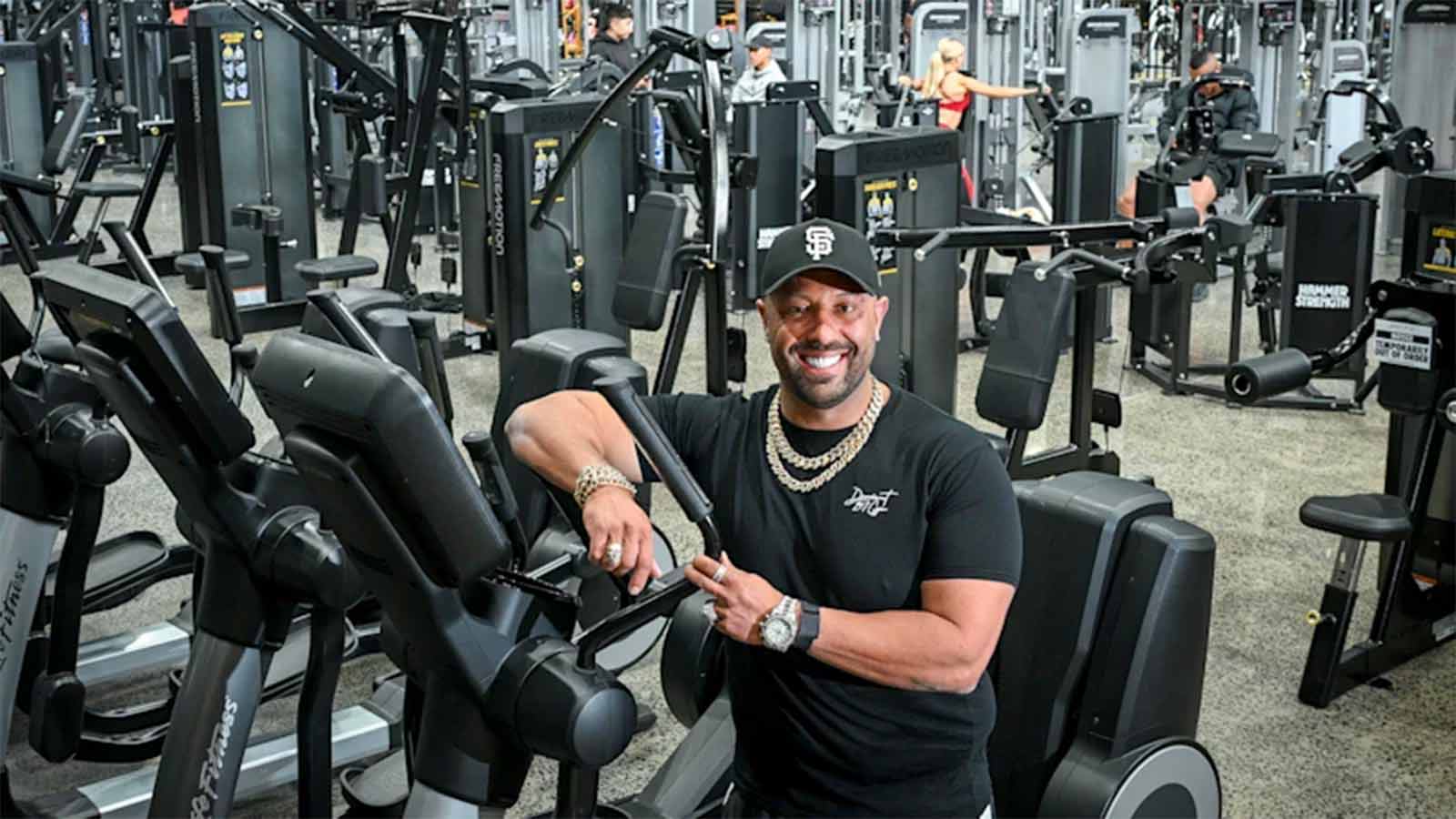
When a business empire teeters on the edge, it’s often a figure with vision—and a healthy dose of bravado—who steps forward. This time, that figure is Adrian Portelli, the self-made billionaire known for his lavish lifestyle and his nickname, the ‘Lambo Guy.’ Now, Portelli is shifting gears from luxury cars to the treadmill, promising to revive the embattled Derrimut 24:7 Gym chain as it faces a daunting $12.53 million tax crisis.
Australian fitness enthusiasts are watching with bated breath. Derrimut 24:7, once a household name in gym culture, now finds itself grappling with financial woes that threaten its very existence. The tax office has initiated proceedings that could see the chain wound up—a fate that, if realized, would send shockwaves through the industry and leave thousands of members searching for alternatives.
The Rise and Stumble of Derrimut 24:7
Derrimut 24:7 Gym didn’t start as just another place to lift weights. It was a movement—a model built on accessibility, affordability, and a 24-hour promise. From its humble beginnings in Victoria, Derrimut exploded across Australia, attracting fitness devotees with its signature ‘come anytime’ ethos and community-driven approach. But rapid expansion is a double-edged sword. Financial challenges began to mount, culminating in a staggering multimillion-dollar debt to the Australian Taxation Office.
For many, Derrimut was more than a gym. It was a second home. As news of the tax battle broke, uncertainty rippled across social media and fitness forums. Would the doors remain open? Would the iconic blue signage soon be a relic of the past?
Portelli’s Vision: ‘Make Derrimut Great Again’
Enter Adrian Portelli. Known for his entrepreneurial instincts and headline-grabbing investments, Portelli has hinted at a full-scale rescue, echoing his now-famous mantra: ‘Make Derrimut great again.’ His involvement could mean not just financial salvation, but a revitalization of the gym’s brand and operations.
Portelli’s track record inspires hope. He has successfully turned around distressed assets before, often blending bold marketing with operational discipline. In a recent statement, Portelli emphasized his commitment to the gym community: ‘Derrimut has been a part of so many lives. This is more than business—it’s about giving people their fitness home back.’
But what does a Portelli-led revival look like? Insiders suggest a multi-pronged strategy: settling tax debts, streamlining management, and refreshing the facilities. There’s even talk of leveraging Portelli’s social media clout to attract new members and build a fresh, energized brand identity.
Members and Staff: Caught in the Crossfire
For the people at the heart of Derrimut—the staff and members—the uncertainty is palpable. Some trainers have begun looking elsewhere, wary of sudden closures. Others remain hopeful, rallying around Portelli’s promise. One member, Sarah J., told Adelaide Now, ‘Derrimut was where I found my fitness family. We just want answers and a chance to keep training.’
Staff morale, according to sources close to the chain, has fluctuated. The possibility of job losses is real, especially if negotiations with the tax office falter. Yet, Portelli’s intervention has injected a sense of cautious optimism. His reputation for hands-on management and commitment to employee welfare offers a lifeline to those facing redundancy.
Industry Reactions and the Road Ahead
The fitness sector is no stranger to volatility. The COVID-19 pandemic battered gym memberships nationwide, while rising costs and changing consumer habits forced many operators to rethink their business models. Against this backdrop, the Derrimut saga is a microcosm of wider industry challenges.
Competitors are watching closely. Some see an opportunity to attract displaced members; others recognize that a collapse could erode confidence in the entire gym sector. As Portelli steps into the fray, industry observers—like Reuters—note that his involvement could set a precedent for high-profile turnarounds in Australian fitness.
Portelli’s team is reportedly in talks with the tax office, seeking a negotiated settlement that would allow Derrimut to continue trading. Legal experts caution that the outcome is uncertain. If a deal is struck, it could buy Derrimut the breathing room it needs to restructure. If not, the consequences could be severe.
What’s at Stake for Australia’s Fitness Landscape?
At its core, this is a story about more than debt and rescue. It’s about community, identity, and the evolving definition of wellness in Australia. Derrimut 24:7 Gym has shaped the fitness journey of thousands. Its potential closure is a reminder of how quickly fortunes can shift in a competitive industry.
For Portelli, success would mean more than financial gain—it would cement his reputation as a savior of struggling icons. For members, it’s about continuity, camaraderie, and the promise of a place to belong.
As negotiations unfold, the outcome remains uncertain. But one thing is clear: Adrian Portelli’s bold move has reignited hope and sparked a national conversation about the future of fitness in Australia.
Portelli’s intervention in the Derrimut 24:7 Gym crisis is a defining moment for both the business and its community. If successful, it will showcase how visionary leadership can revive not only a brand, but the spirit of an entire sector. The next chapter will test the resilience of Australia’s fitness industry—and the power of bold promises to deliver real change.