
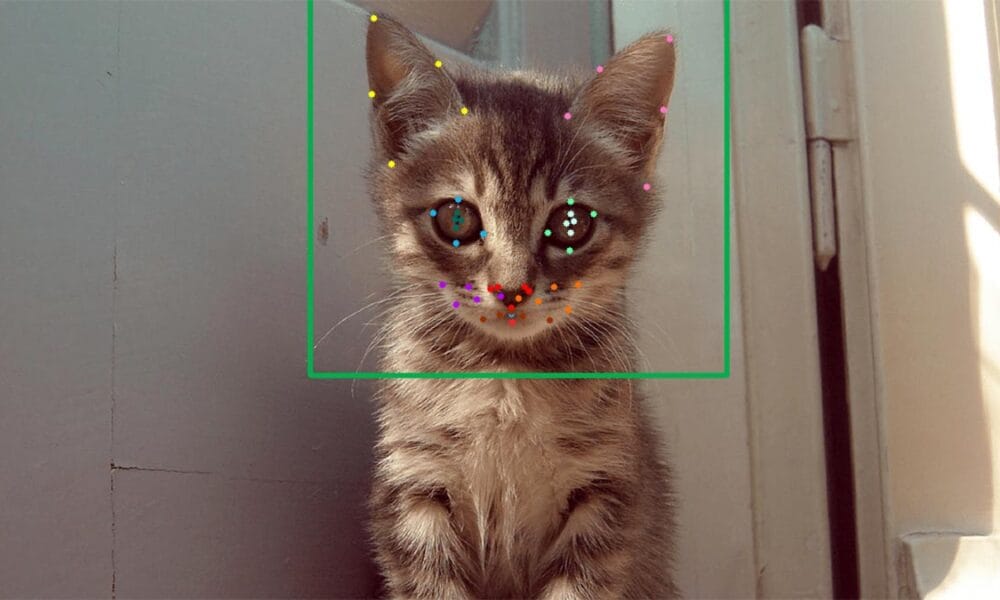
Scientists are developing artificial intelligence (AI) systems that can analyze animals’ facial expressions to detect signs of pain, stress, and other emotions, with the goal of improving animal welfare. This technology is based on facial recognition algorithms originally developed for studying human faces.
AI Applications in Animal Welfare
The use of AI in animal welfare offers numerous benefits. AI can detect signs of pain and stress more quickly and accurately than human observers. This is particularly important in farm settings, where large numbers of animals make individual attention difficult. AI can also detect more complex emotions, such as happiness, sadness, fear, and others, potentially leading to improved animal care and living conditions.
 Examples of AI in Animal Welfare
Several research groups are pioneering the use of AI in this field:
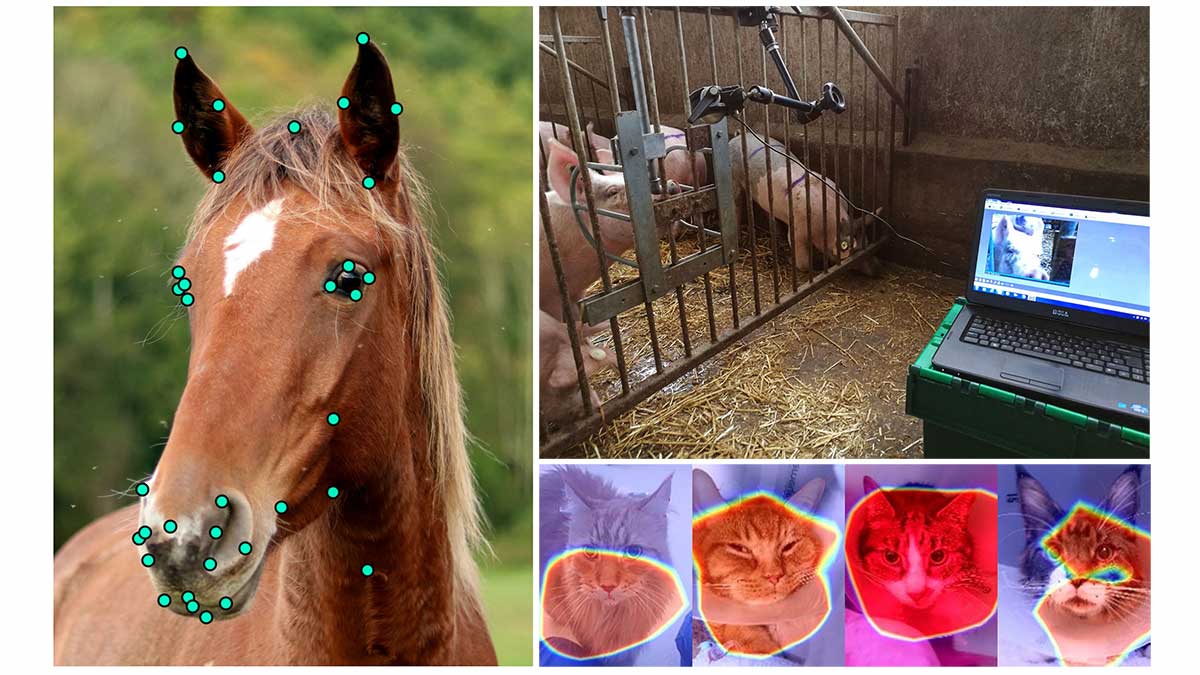
- Intellipig: Developed by the University of the West of England Bristol and Scotland’s Rural College, Intellipig analyzes pig facial expressions to detect signs of pain and stress. This system helps farmers identify animals in need of attention, enabling timely intervention and improved welfare.
- Anna Zamansky’s Research Group (University of Haifa): This group is developing AI systems capable of recognizing facial expressions in various animals, including dogs, cats, horses, and primates. Their work focuses on detecting signs of pain, stress, and other emotions, contributing to a deeper understanding of animal emotional states.
- Peter Robinson’s Research Group (University of Cambridge): This group has developed an AI tool that automatically identifies key facial landmarks on sheep faces. This technology aids in research on sheep welfare and can be adapted for other species.
- Gabriel Lencioni’s Research Group (University of São Paulo): Lencioni’s team has created an AI system that analyzes horse facial images to detect signs of pain. This technology has the potential to improve equine welfare in veterinary and competitive settings.
Limitations of AI
Despite its advantages, AI has limitations. Its accuracy depends on the quality and quantity of training data. Insufficient or biased data can lead to inaccurate results. AI cannot yet fully replace human observers. Animal behavior is complex, and AI may miss nuances detectable by experienced professionals. It is important to consider AI as a tool to augment, rather than replace, expert human assessment.
The Future of AI in Animal Welfare
Despite limitations, AI holds great potential for animal welfare. Future AI systems may become more accurate and sophisticated, leading to a better understanding of animal emotions and needs. AI development could lead to new animal care methods focused on well-being, significantly improving animal quality of life worldwide. Further research will focus on addressing current limitations and expanding the range of detectable emotions and behaviors.