
Quick Read
- The new AI platform automates the drafting of separation agreements and financial statements, directly reducing court-issued deficiency notices.
- The project aims to alleviate the massive time burden on court staff by ensuring all filings are error-free upon submission.
- Designed for scalability, the tool provides a blueprint for using AI to bridge the legal service gap for low-income populations worldwide.
BOSTON (Azat TV) – A breakthrough in legal technology is set to address chronic administrative delays in family courts as Suffolk University Law School’s Online Dispute Resolution (ODR) Innovation Clinic has unveiled an AI-powered platform designed to automate the filing of uncontested divorces. By guiding self-represented litigants through complex documentation, the tool aims to resolve the high rate of rejection for incomplete filings that currently clogs Probate & Family Court registries.
Solving the Courtroom Paperwork Crisis
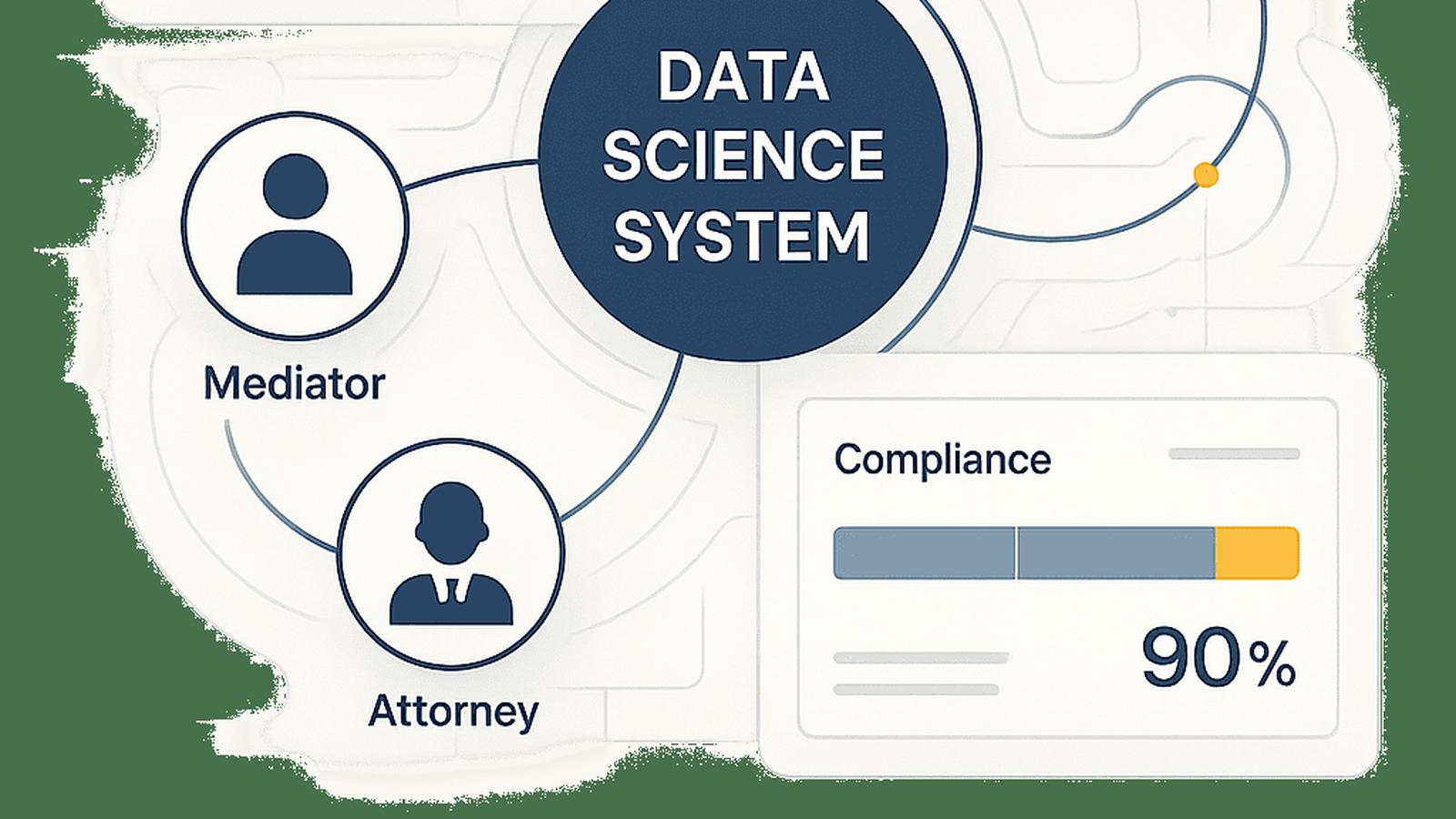
The platform, developed in collaboration with the American Arbitration Association, functions as a digital intake system that translates plain-language responses into legally compliant separation agreements. According to retired Probate Court Judge John D. Casey, who now directs the clinic, the primary motivation for the project was the recurring sight of citizens returning to the courthouse multiple times due to minor errors in financial statements or technical drafting issues.
“We have been developing the tools that are going to revolutionize what is happening in the Family Court,” Casey stated. The system handles complex tasks such as calculating asset division and generating court-ready financial statements, a process that typically takes unrepresented individuals hours to complete manually. By automating the math and formatting, the platform ensures that the resulting documents align with strict judicial standards, effectively bypassing the deficiency notices that frequently stall cases.
Scaling AI for Equitable Legal Access
The significance of this development lies in its scalability. While the current pilot focuses on Massachusetts, the clinic’s architecture is designed to be replicated in jurisdictions globally. The goal is to provide a viable path for low-income individuals who are priced out of traditional legal representation but find themselves overwhelmed by the procedural hurdles of the court system.
Students from the school’s Legal Information & Technology Lab have been instrumental in training the AI to handle not only divorce complaints but also future legal filings like guardianship petitions. This integration of student-led innovation and arbitration technology creates a sustainable model that could save courthouse staff thousands of hours currently spent correcting basic clerical errors.
The Future of Digital Dispute Resolution
The clinic is scheduled to present the results of its courthouse integration study at a conference on June 12. The data gathered from this rollout will be critical in assessing whether such AI tools can permanently reduce the administrative burden on public institutions while simultaneously increasing the speed of justice for low-conflict family law matters.
- The new AI platform automates the drafting of separation agreements and financial statements, directly reducing court-issued deficiency notices.
- The project aims to alleviate the massive time burden on court staff by ensuring all filings are error-free upon submission.
- Designed for scalability, the tool provides a blueprint for using AI to bridge the legal service gap for low-income populations worldwide.
The shift toward AI-assisted legal filings suggests that the primary bottleneck in family law is increasingly identified as administrative complexity rather than litigation, signaling a broader trend where technology is utilized to stabilize, rather than disrupt, the formal judicial process.