


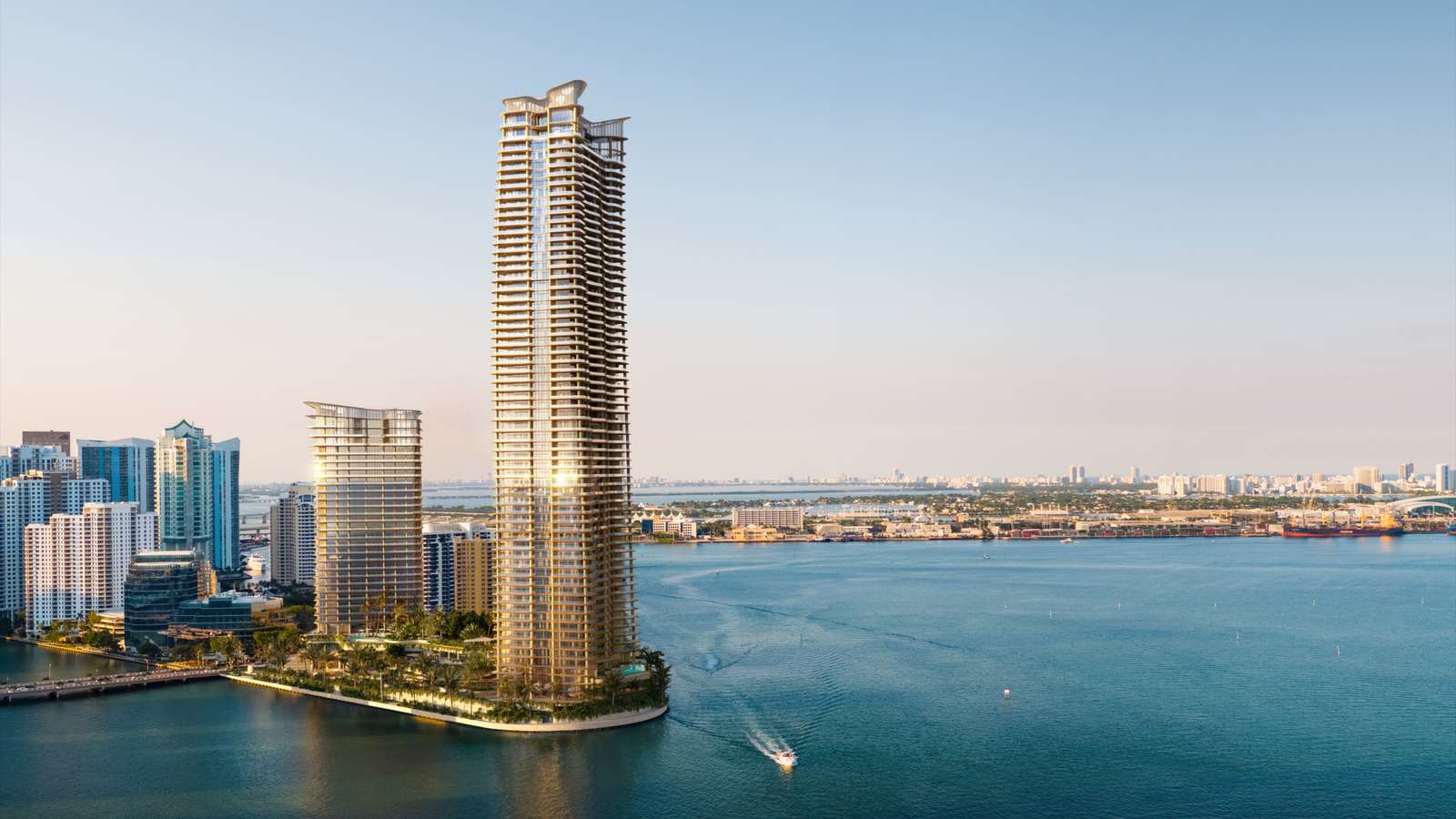
MIAMI (Azat TV) – The iconic 23-story Mandarin Oriental, Miami hotel on Brickell Key was reduced to rubble Sunday morning in a controlled implosion, marking the start of a multi-billion dollar shift in the city’s ultra-luxury real estate landscape. The structure, which served as a landmark at the mouth of the Miami River for 25 years, collapsed in under 20 seconds, clearing the site for a high-profile dual-tower residential and hotel development.
Brickell Key Redevelopment Marks Decade-High Implosion
The operation, which officials described as the largest building implosion in Miami in over a decade, took place at approximately 8:30 a.m. local time. Following two years of intensive coordination between Swire Properties and city municipal planners, the demolition was executed as a strategic measure to maintain an aggressive construction timeline. Residents within an 800-foot radius were instructed to remain indoors with windows sealed during the event as dust clouds briefly enveloped the perimeter of the human-made island.
The Residences at Mandarin Oriental Future Scope
The demolition is the foundational step for the development of The Residences at Mandarin Oriental, Miami. According to project developers, the site will be transformed into a two-tower complex designed to anchor the next generation of ultra-luxury hospitality in the region. The project is currently slated for completion in 2030. By opting for a controlled implosion rather than piecemeal mechanical demolition, stakeholders aimed to minimize long-term disruptions to the densely populated Brickell Key community while ensuring site readiness.
Logistical Precision and Safety Protocols
The implosion was preceded by a series of visual signals, including blue and pink flares, which served as a final warning before the rapid-fire charges were detonated. While the site attracted crowds of onlookers from a safe distance, local authorities maintained strict perimeter controls to mitigate environmental and safety risks. The move represents a broader trend of high-end real estate consolidation currently reshaping Miami’s waterfront districts, as older luxury assets are increasingly replaced by modern, high-density residential towers.
The speed of the demolition reflects a calculated shift toward maximizing land utility in Miami’s hyper-competitive luxury market, where aging high-rises are increasingly yielding to expansive, amenity-heavy developments designed for a global ultra-wealthy demographic.