
Quick Read
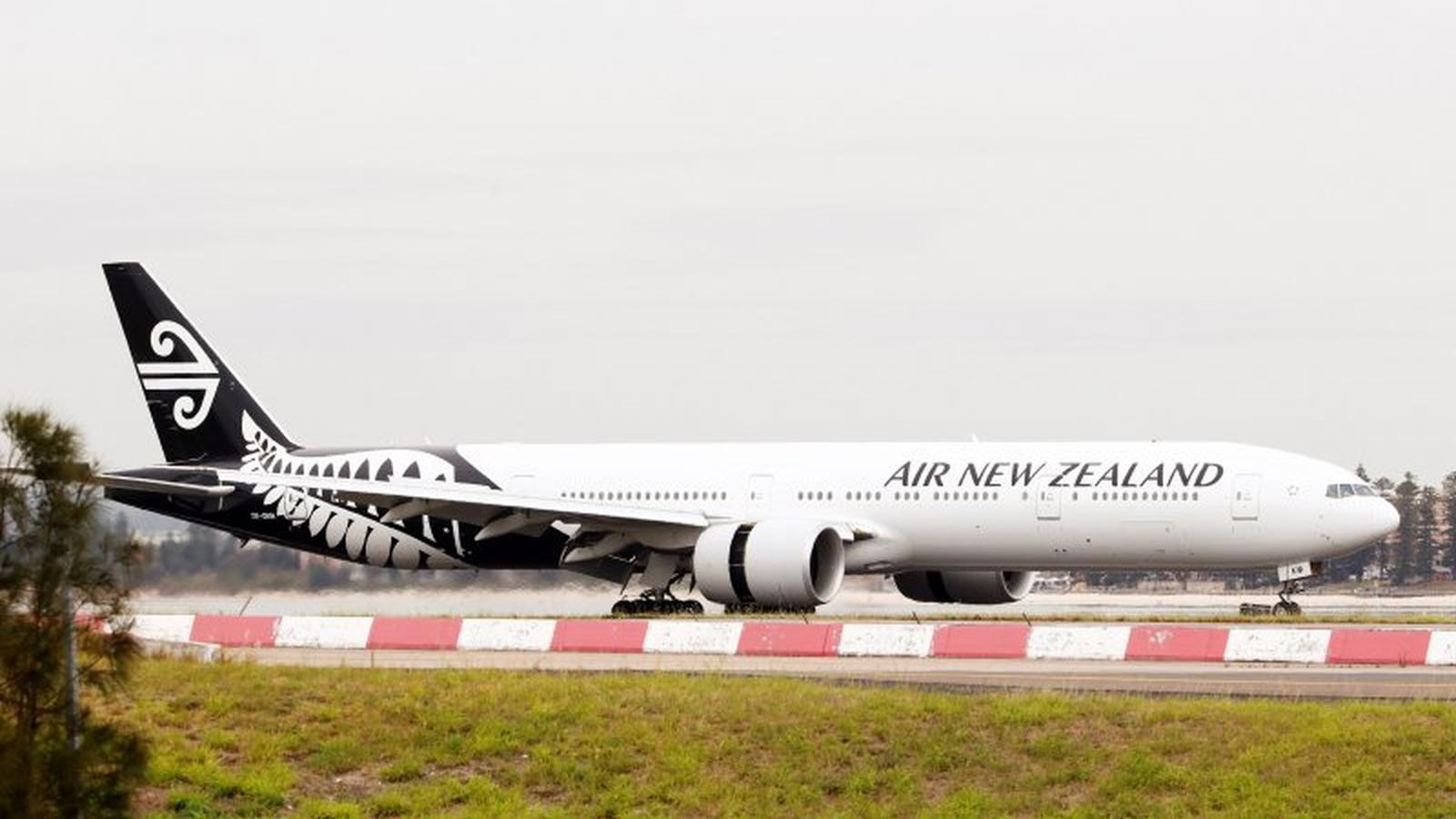
- Air New Zealand flight NZ221 from Christchurch made an emergency landing at Sydney Airport due to hydraulic failure.
- Passengers were notified 20 minutes before landing and emergency services met the aircraft on arrival.
- No injuries were reported; the aircraft was towed to a gate after an hour of assessment.
- Airline engineers are investigating the cause before returning the plane to service.
Air New Zealand Flight NZ221 Faces Hydraulic Failure Over Tasman Sea
Friday morning at Sydney Airport started with an unusual sight: flashing lights, fire trucks, and a crowd of emergency responders waiting on the tarmac. The reason? Air New Zealand flight NZ221, inbound from Christchurch, had reported a technical issue mid-flight, prompting an emergency response.
According to News.az and statements from Air New Zealand’s Chief Safety and Risk Officer Nathan McGraw, the aircraft suffered a hydraulic failure while crossing the Tasman Sea. This type of issue, while rare, requires careful handling and immediate attention, as hydraulic systems are crucial for controlling key flight components like landing gear and brakes.
Passengers Alerted Mid-Flight: Calm Amidst Uncertainty
About 20 minutes before their scheduled arrival, passengers were informed by the crew that the plane would be making an emergency landing. The announcement was direct but measured, aiming to keep everyone calm. One traveler, speaking to Daily Mail, described the scene: “It was a smooth landing. Everyone stayed pretty calm. I was just glad it happened close to landing and not earlier in the flight.”
Upon touchdown at 8:15 a.m., the plane was met by Sydney Airport’s Fire & Rescue teams and other emergency services. The aircraft, visibly surrounded by flashing lights and responders, remained on the tarmac for over an hour as crews investigated the situation. Passengers, though understandably unsettled, waited patiently onboard as engineers and emergency personnel assessed the aircraft before it was towed to a gate for safe disembarkation.
Emergency Response: Coordination and Professionalism
For Sydney Airport’s emergency services, this type of scenario is precisely what they train for. Fire & Rescue teams, medical staff, and airport operations worked in unison, ready to address any possible escalation. As it turned out, their presence was precautionary: the aircraft landed without incident, and no injuries were reported.
Nathan McGraw emphasized the importance of thorough post-incident checks: “Our engineering team will now carry out inspections to ensure the aircraft is safe to return to service.” The transparency and swiftness of communication, both from the airline and the emergency teams, seemed to reassure passengers and observers alike.
Hydraulic Failures: Rare, But Serious
Hydraulic systems in modern aircraft manage everything from flight controls to braking mechanisms. While built with redundancy and backup measures, a failure can mean that manual or alternative procedures must be employed. Pilots are trained extensively for such events, but each instance is a test of skill, composure, and teamwork.
Industry experts note that emergency landings due to hydraulic issues are uncommon. However, when they do occur, the protocol is clear: inform passengers, alert emergency services, and prepare for possible complications. In this case, the crew’s professionalism was evident, as was the coordinated response from ground services.
Passenger Experience: From Uncertainty to Relief
For the 150 or so passengers aboard NZ221, the experience was surreal. One described seeing “fire trucks and flashing lights everywhere,” adding, “It felt a little unsettling, but everyone stayed patient.” The hour spent on the tarmac, waiting for clearance, tested nerves but ultimately ended in relief as passengers disembarked without further incident.
Another traveler reflected, “When you’re told you’re making an emergency landing, your mind jumps to all sorts of worst-case scenarios. But seeing how calm the crew was, and how quickly the responders moved, made all the difference.”
Aftermath and Investigation
With the aircraft now safely at the gate, Air New Zealand’s engineering teams began a thorough inspection. The priority: to determine the cause of the hydraulic failure and ensure the aircraft is safe before returning it to service. The airline reiterated its commitment to safety, thanking both the crew and emergency responders for their swift action.
Flight disruptions followed, as schedules were adjusted to accommodate the investigation and repairs. For affected passengers, Air New Zealand provided support and assistance, including updates and alternative arrangements where needed.
Lessons in Preparedness and Communication
This incident at Sydney Airport is a reminder of the unpredictable nature of aviation—and the systems in place to manage it. From the pilots’ training to the emergency services’ readiness, every layer is designed to protect lives and restore order in moments of crisis.
The story also highlights the importance of clear communication. Passengers were kept informed, not only about the emergency landing but about the steps being taken for their safety. Such transparency is vital in maintaining trust and minimizing panic.
Broader Context: Aviation Safety in Australia
Australia’s aviation sector has built a reputation for rigorous safety standards. Emergency landings, while headline-grabbing, are statistically rare events. When they do happen, the focus is always on minimizing risk and ensuring swift, coordinated response.
Air New Zealand’s handling of the situation drew praise from both passengers and industry observers. The airline’s commitment to safety, and the professionalism of its crew, were put to the test and proved up to the challenge.
Looking Ahead
For those on board NZ221, the morning’s events may linger in memory—a reminder of the unpredictability of travel, and the systems in place to keep passengers safe. For the airline and airport, it’s a case study in effective crisis management.
As the engineering team works to understand and fix the issue, flight schedules will resume, and passengers will return to their routines. But the lessons from this emergency landing—about preparedness, professionalism, and communication—will continue to shape how such incidents are managed in the future.
In assessing this event, it’s clear that while technical failures can never be entirely eliminated, the combination of skilled crew, responsive emergency services, and transparent communication ensured that what could have been a crisis was instead a demonstration of aviation safety at its best.