
Quick Read
- Southwest Airlines pilot David Allsop was arrested in January for alleged intoxication before a flight, but his attorney claims procedural errors.
- Spirit Airlines faced criticism for flying through Hurricane Erin but maintained safety protocols, avoiding the storm’s core.
- U.S. immigration policies under President Trump’s second term are reducing international air travel to the U.S., impacting airlines.
The global aviation industry has been under the spotlight recently due to a series of dramatic incidents and policy changes. From allegations of pilot intoxication to flights through hurricanes and tightening immigration policies, airlines are navigating an increasingly complex and scrutinized landscape.
Southwest Pilot Faces DUI Allegations
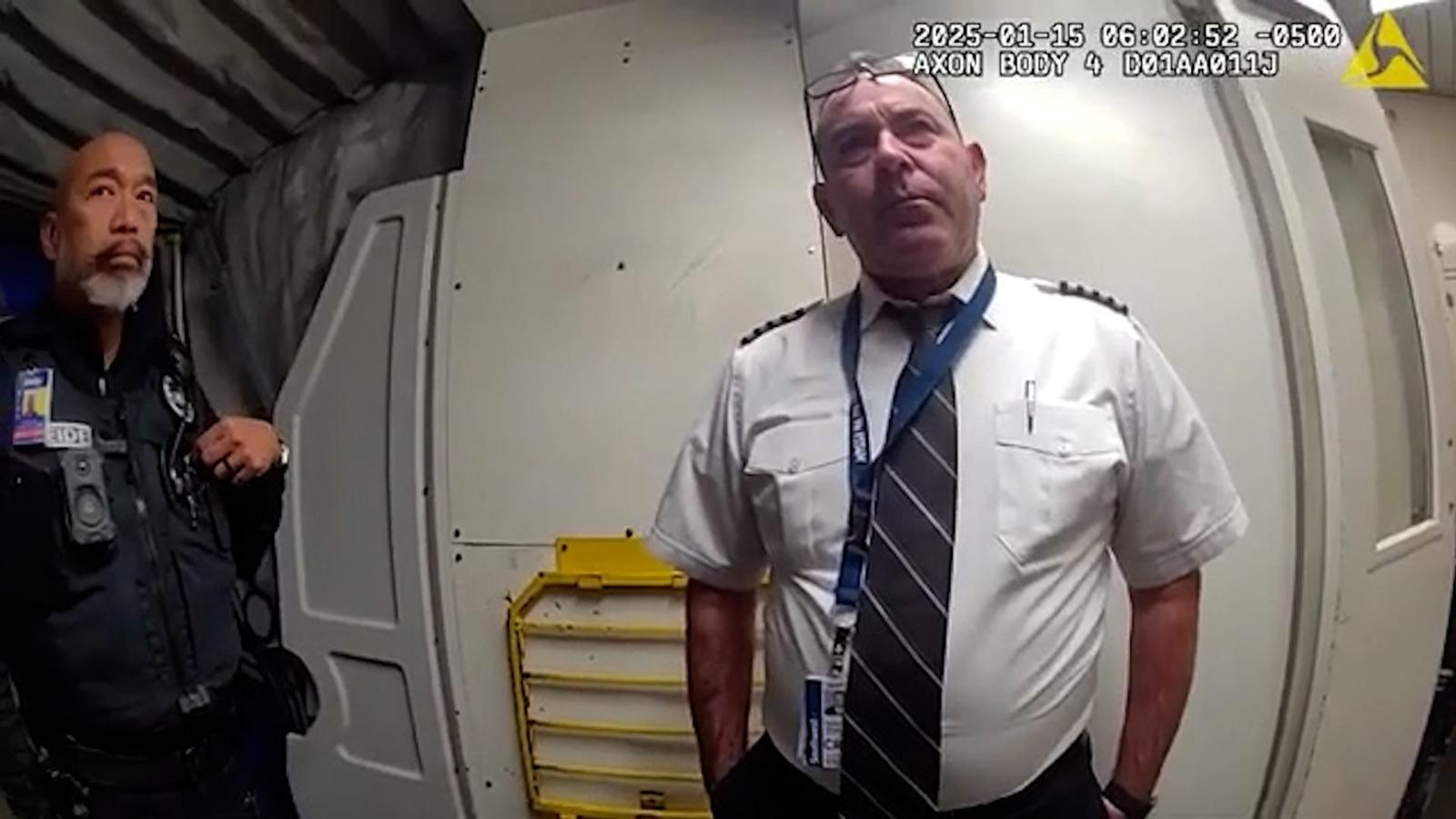
On January 15, 2025, a Southwest Airlines pilot, David Allsop, was arrested at Savannah/Hilton Head International Airport in Georgia for allegedly attempting to operate a flight while under the influence of alcohol. Bodycam footage released later shows police conducting a field sobriety test after smelling alcohol on Allsop, who attributed the scent to a nicotine pouch. Officers claimed he exhibited signs of intoxication and arrested him under Georgia’s “DUI Less Safe” statute. Allsop, an Air Force veteran with two decades of flight experience, denies the allegations. His attorney, David Chaiken, argued that the sobriety test was improperly conducted, stating, “Captain Allsop committed no crime.” Southwest Airlines promptly removed Allsop from duty, emphasizing its commitment to passenger and employee safety, according to USA Today.
Spirit Airlines and Hurricane Erin Controversy
Meanwhile, Spirit Airlines faced public backlash after its flight from Philadelphia to San Juan, Puerto Rico, appeared to fly through the heart of Hurricane Erin, a Category 4 storm, on August 18, 2025. Although the Airbus A320-271N avoided the hurricane’s core and navigated at an altitude of 37,000 feet, social media was abuzz with concerns over passenger safety. Spirit Airlines reassured the public that the flight adhered to standard operating procedures and was closely monitored by air traffic control. Experts supported the airline’s claim, noting that modern aircraft and trained pilots are equipped to handle turbulent weather. The incident highlights the resilience of Puerto Rico’s tourism sector, which continues to thrive despite seasonal hurricanes, as reported by Travel and Tour World.
Immigration Policies Impacting Air Travel
Since the beginning of President Donald Trump’s second term in January 2025, international airlines have reported a decline in bookings for U.S.-bound flights. Stricter border checks, increased detentions, and new visa restrictions targeting students have deterred many travelers. Airlines like Turkish Airlines and Air France-KLM have noted significant drops in passenger traffic from regions like India and Africa. “We see especially less connecting traffic now to the U.S.,” said Air France-KLM CFO Steven Zaat during a recent earnings call. Immigration attorneys, such as Natalia Polukhtin, have also observed clients avoiding U.S. travel due to fears of detention and electronic device searches at border checkpoints. According to Newsweek, these policies have contributed to a 3.4% drop in U.S. tourism in June 2025.
Broader Challenges in Aviation
These incidents underscore broader challenges in the aviation industry, from ensuring pilot accountability to navigating extreme weather conditions and adapting to geopolitical shifts. Airlines must balance operational safety with customer trust, especially in an era of heightened public scrutiny and evolving regulations. Spirit Airlines’ response to Hurricane Erin and Southwest Airlines’ swift action in the Allsop case are examples of how carriers are addressing these challenges in real time.
As the aviation sector continues to evolve, these stories serve as a reminder of the complexities airlines face in maintaining safety, reliability, and public confidence in an unpredictable world.