
Quick Read
- A 7.3 magnitude earthquake struck south of Sand Point, Alaska, on July 17, 2025.
- Tsunami warnings were issued but later canceled as the highest water level recorded was only 2.5 inches above the tide.
- Minimal damage was reported, with some broken goods in local stores.
- This was the fifth earthquake exceeding magnitude 7 in the area since 2020.
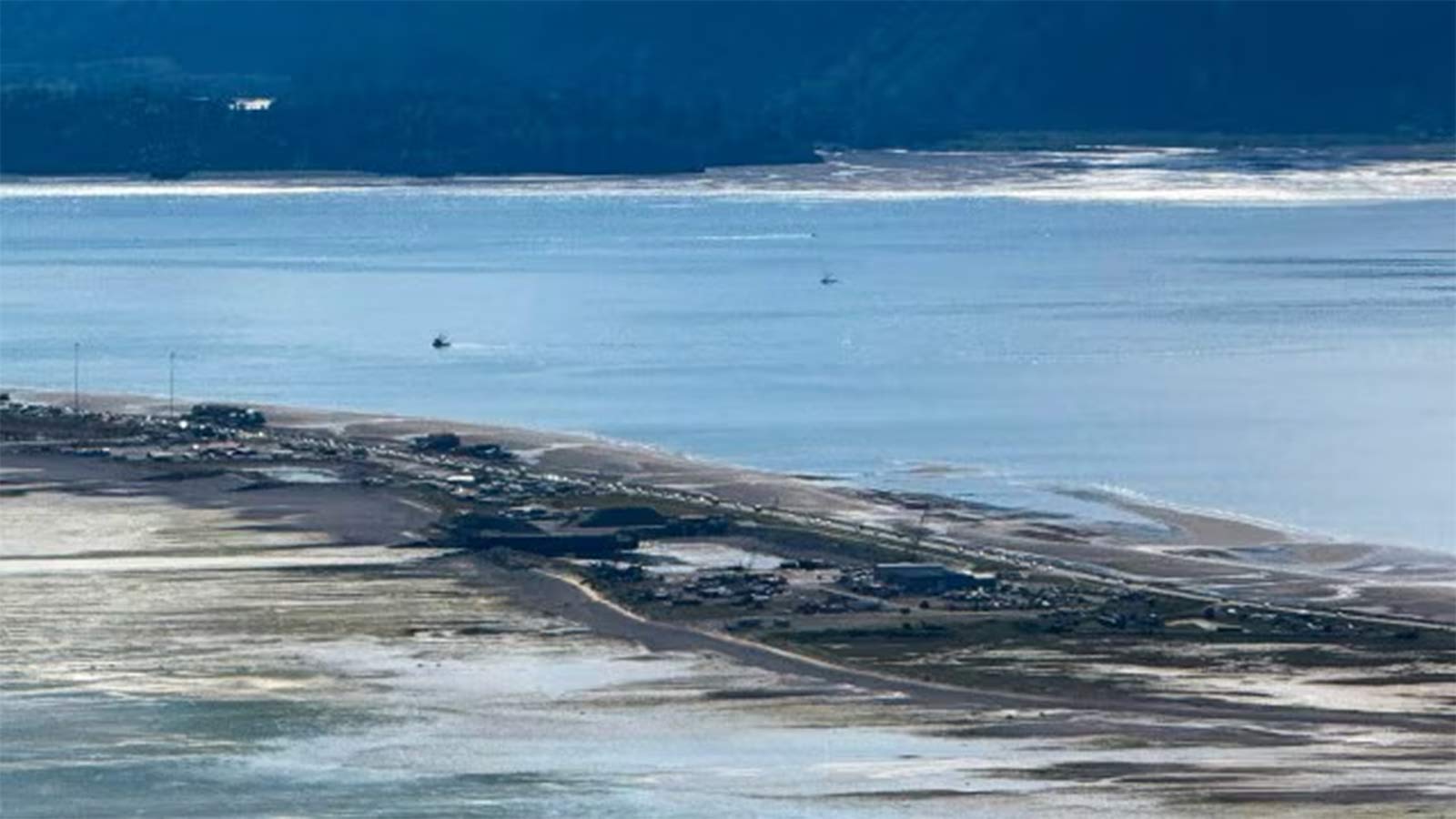
On Wednesday, July 17, 2025, a powerful 7.3 magnitude earthquake struck south of Sand Point in Alaska, sending shockwaves across the region and triggering a tsunami warning. The earthquake occurred at 12:37 p.m. local time, according to the Alaska Earthquake Center, and was felt as far as Anchorage, nearly 600 miles away.
Immediate Reactions and Tsunami Warnings
The National Tsunami Warning Center issued an immediate warning for a 700-mile stretch of Alaska’s southern coastline, encompassing communities from Homer to Unimak Pass. Residents in affected areas were urged to evacuate to higher ground. In Sand Point, a community of about 600 people, police and local authorities quickly mobilized to ensure public safety. Speaking to ABC News, Sand Point Police Chief Benjamin Allen reported that there was no visible damage to critical infrastructure such as the airport or harbor.
In other areas, such as King Cove and Unalaska, residents were similarly instructed to move to higher ground or at least 50 feet above sea level. Tourists at the Alaska SeaLife Center in Seward described scrambling uphill in the rain as sirens blared, signaling the emergency.
Aftershocks and Minimal Damage
The earthquake was followed by at least 40 aftershocks within the first three hours, according to the Alaska Earthquake Center. Despite the initial alarm, the tsunami warning was downgraded to an advisory and subsequently canceled just before 2:45 p.m. local time. The highest water level recorded in Sand Point was a mere 2.5 inches above the tide, indicating minimal tsunami impact.
Local businesses and residents reported minor damages. At the Alaska Commercial general store in Sand Point, manager Vickey McDonald described shattered bottles of alcohol and other goods, creating a chaotic scene. “It smells horrendous in here,” she told Alaska News Source.
Seismological Context and Concerns
Alaska’s southern coast is no stranger to seismic activity. State seismologist Michael West noted that this was the fifth earthquake exceeding magnitude 7 in the region since 2020. “This area has been and remains capable of larger earthquakes and significant tsunami damage,” West explained to ABC News. This pattern of activity has drawn the attention of seismologists, who are monitoring the area closely for potential future events.
The Aleutian Islands, where Sand Point is located, sit along the Pacific Ring of Fire, a region known for frequent earthquakes and volcanic activity. As such, residents are accustomed to emergency drills and evacuation procedures, which were credited with minimizing panic during this latest quake.
Community Resilience and Preparedness
Despite the scare, Alaska’s communities demonstrated resilience and preparedness. Emergency management teams ensured timely communication, and residents quickly followed evacuation protocols. Jeremy Zidek, a spokesperson for Alaska’s emergency management division, emphasized the importance of treating every seismic event seriously, saying, “We have seen other earthquakes in the area that have not generated significant tsunami waves, but we’re treating it seriously and going through our procedures.”
For now, life is returning to normal in the affected areas. Residents and authorities are conducting assessments to ensure that no hidden damages were overlooked, while seismologists continue to study the quake and its aftershocks.
While this earthquake caused minimal damage, it serves as a stark reminder of the seismic risks faced by Alaska’s coastal communities and the critical importance of preparedness.