
Quick Read
- Alex Honnold is scheduled to free solo Taipei 101, a 101-story skyscraper in Taiwan, without ropes or safety gear.
- The event, dubbed “Skyscraper Live,” will be broadcast live on Netflix on Friday, January 23rd, at 8 p.m. ET/PT.
- Taipei 101, 1,667 feet tall, is the 11th tallest building globally and is designed to withstand earthquakes and storms.
- The climb’s primary challenge is not a single move, but cumulative fatigue from repetitive actions across the building’s 64 “bamboo box” floors.
- The live broadcast includes a 10-second delay, rain delay provisions, and multiple camera operators for safety and coverage.
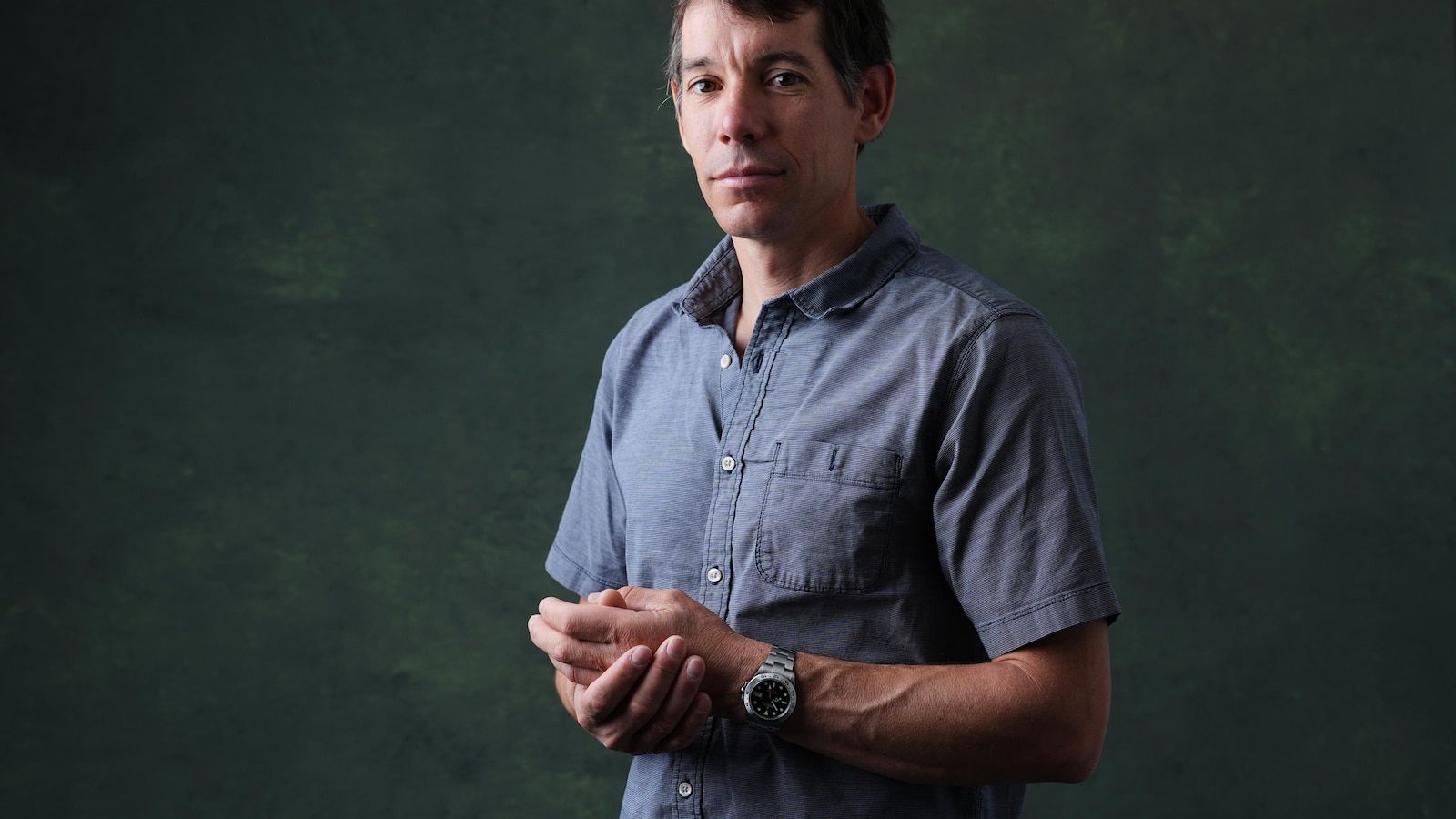
World-renowned climber Alex Honnold, famed for his death-defying ascent of El Capitan, is scheduled to undertake his most ambitious urban challenge yet: a free solo climb of Taipei 101, one of the world’s tallest skyscrapers, to be broadcast live on Netflix. The unprecedented event, slated for Friday, January 23rd (with a Saturday morning broadcast in Taiwan), has ignited both immense excitement for the athletic feat and a fervent ethical debate surrounding the live transmission of such a high-stakes endeavor, particularly given Honnold’s role as a father of two young children. This climb, which will see Honnold ascend the 101-story structure without ropes, harnesses, or any safety equipment, represents the ‘biggest urban free solo ever,’ pushing the boundaries of human endurance and media spectacle.
Alex Honnold’s Unparalleled Legacy and the Allure of Free Soloing
Alex Honnold cemented his legendary status with the 2017 free solo of El Capitan’s Freerider route in Yosemite National Park, a monumental achievement documented in the Oscar-winning film Free Solo. This feat introduced millions to the extreme discipline of free soloing, a form of climbing performed alone and without any protective gear. For Honnold, it’s a deeply personal pursuit, a ‘meditative art form’ as described by author Jeff Smoot in AP News, rather than mere thrill-seeking. Now 40, Honnold continues to push his limits, acknowledging that his preparations are more extensive than in his younger years, as he told Entertainment Weekly, reflecting his maturity and family responsibilities. His decision to tackle Taipei 101, a structure vastly different from the granite faces he’s accustomed to, marks a significant departure and a new frontier for the sport.
Taipei 101: An Architectural Marvel as a Vertical Challenge
Standing at 1,667 feet (508 meters) with 101 stories, Taipei 101 dominates the skyline of Taiwan’s capital. Once the world’s tallest building, it remains the 11th tallest globally. Its unique design, inspired by traditional pagodas and bamboo stalks, is not only iconic but also engineered to withstand severe earthquakes and tropical storms, earning it a spot among Popular Mechanics’ ’10 toughest buildings.’ The building’s middle section, comprising 64 floors divided into eight distinct ‘bamboo boxes,’ is anticipated to be the most physically demanding part of Honnold’s ascent, as he explained to Netflix Tudum. Each segment consists of eight floors of steep, overhanging climbing followed by a balcony for rest. While Honnold won’t be the first to climb Taipei 101—French climber Alain Robert scaled it with a top rope in 2004 as part of its grand opening—he will be the first to attempt it in his signature free solo style.
The Unique Demands of Urban Climbing
Climbing a skyscraper like Taipei 101 presents a distinct set of challenges compared to natural rock faces. Noah Kane, a Colorado-based climber interviewed by Slate, offers valuable insight. While rock climbing often involves dynamic problem-solving across varied terrain, urban climbing on a uniform structure like Taipei 101 is characterized by repetitive movements. Honnold himself told Netflix Tudum that the hardest part isn’t a single dangerous move, but the ‘overall physicality’ and ‘fatigue that sets in over the course of the building,’ which he finds ‘slightly harder to anticipate.’ Kane suggests that one of the most difficult, or ‘cruxy,’ moments will involve Honnold ‘smearing’ his feet on the building’s glass surface, relying on the texture of his climbing shoes rather than solid edges. Interestingly, Kane notes that Taiwan’s humid climate, usually a disadvantage for rock climbing, might actually aid grip on glass and metal surfaces, helping the rubber in Honnold’s custom La Sportiva shoes adhere better.
Production Logistics and Safety Protocols for a Live Event
Netflix’s ‘Skyscraper Live’ event is a daring venture into live programming, underscoring the streamer’s commitment to innovative content. The broadcast is scheduled for Friday, January 23rd, at 8 p.m. ET/PT, with champion climber Emily Harrington serving as a live announcer (Entertainment Weekly). Recognizing the inherent risks, the production has implemented several safety measures. A crucial element is a 10-second broadcast delay, allowing for immediate intervention if an unforeseen event occurs. Event producer James Smith of Plimsoll Productions, who consulted with risk management group Secret Compass, confirmed that Honnold will be in constant communication with the production team. Cameramen will be positioned inside the building, and four high-angle camera operators will be suspended on ropes. The route itself includes ‘bail points’ on balconies where Honnold could rest or retreat if necessary, and provisions for a rain delay are in place, with professional weather forecasters providing real-time updates (AP News, ABC News).
The Ethical Tightrope: Risk, Responsibility, and Public Consumption
The decision to live broadcast such a high-risk event has inevitably sparked a robust ethical debate. Critics, including Subbu Vincent, director of media and journalism ethics at Santa Clara University, question the morality of livestreaming an endeavor where a fall would be fatal, as reported by AP News. Concerns have also been raised about the potential influence on impressionable youth who might be emboldened by watching Honnold’s stunts, a discussion reminiscent of past debates surrounding daredevils like Evel Knievel. Jeff Smoot, author of a book on free soloing, articulated common public questions: ‘why do it at all, why do it without ropes, why film it live?’ The ‘lurid stakes,’ as Slate describes them, are magnified by Honnold being a married father of two. However, within the climbing community, there’s a nuanced perspective. While ‘purists’ may balk at commercialization, many ‘professionals’ like Noah Kane believe such events can positively publicize the sport, balancing commercial interests with core values. Honnold himself, with 15 years of responsible climbing, is trusted by many to represent the sport well.
Ultimately, Alex Honnold’s live free solo of Taipei 101 represents a powerful convergence of extreme human athletic potential, advanced media production, and a deeply contested public discussion on the ethics of risk in entertainment. It compels audiences to confront not only the limits of physical possibility but also the societal boundaries of what constitutes acceptable and responsible live content in an era of instant global broadcast.