
Quick Read
- Alfie Whiteman retired from professional football at age 26 after winning the Europa League with Tottenham Hotspur.
- He made just one competitive appearance for Spurs and spent time on loan at Degerfors in Sweden.
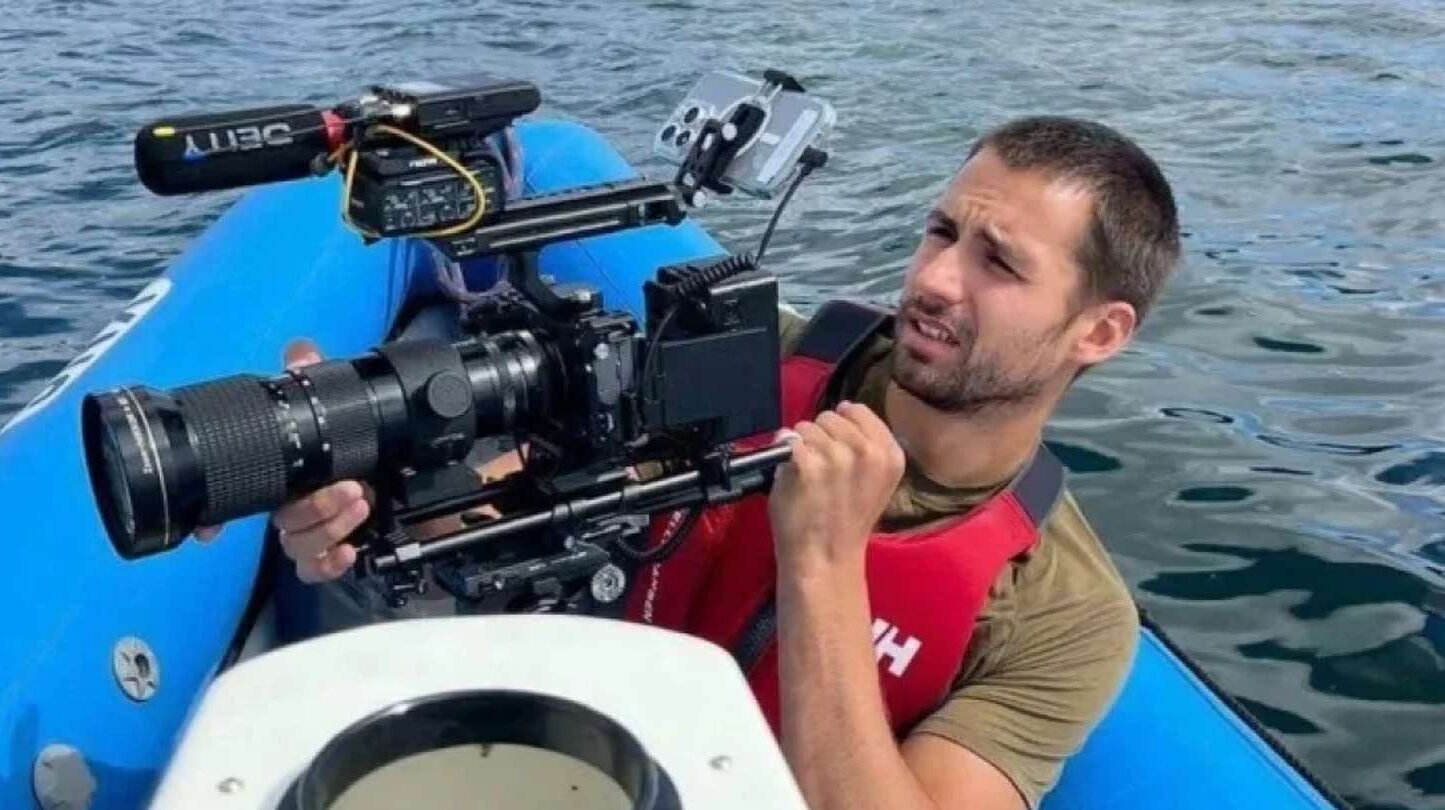
- Whiteman has signed with Somesuch as a photographer and director, already producing critically acclaimed short films.
- His creative interests include photography, directing, and DJing, with projects exploring themes of introspection and community.
- Whiteman continues to play football recreationally and plans to develop film projects related to major sporting events.
Why Alfie Whiteman Walked Away From Football
Alfie Whiteman’s story is not the typical tale of a footballer hanging up his boots. When most imagine life as a Premier League player, they picture packed stadiums, flashy cars, and the constant adrenaline of top-flight matches. But for Whiteman, Tottenham Hotspur’s long-serving backup goalkeeper, the reality was often quieter, sometimes lonely, and ultimately transformative.
Whiteman joined Spurs at just 10 years old, growing up in the shadow of White Hart Lane, his home just a short walk from the stadium. Despite more than a decade at the club, he rarely stepped onto the pitch for the first team—his sole competitive appearance for Tottenham came as a second-half substitute in a Europa League tie. The rest of his time was spent training, watching, and waiting.
But rather than letting frustration fester, Whiteman found solace and inspiration in unexpected places. While his teammates arrived at training in supercars, he preferred public transport. In the locker room, he played Aphex Twin instead of the usual chart hits. Off the pitch, he was pursuing acting classes, hosting a monthly radio show on NTS called ‘Sweet Tooth,’ and building a portfolio as a photographer. His creative side was always present, but football’s insular bubble often made it hard to let it flourish.
Inside the Spurs Bubble: A Search for Meaning
“The stereotype of a footballer is generally quite true,” Whiteman reflected in an interview with The Athletic. “It’s the golf, washbag culture. You all just become a reflection of each other. You’re a product of your environment.” Despite the camaraderie, Whiteman always felt a little different, more drawn to the world outside football than the cloistered life inside it.
It was a relationship with a model and her director friend that opened his eyes to the creative industries. Suddenly, weekends weren’t just about recovery—they were opportunities to assist on photo shoots, learn from producers, and network with artists. Even as he trained alongside international stars like Hugo Lloris and Joe Hart, he began to see his life beyond the pitch.
Loan spells in Sweden with Degerfors provided further clarity. Living in a remote cabin, Whiteman found time for introspection, producing a body of self-portraits and experimental work that would later become the foundation for an upcoming solo exhibition at OOF Gallery. “It served as this period of introspection,” he said, “These feelings of being a bit lost or torn are in it.”
Transition: Injury, Introspection, and a Brave Decision
After returning to Spurs and signing a two-year extension in 2023, Whiteman hoped for a fresh start under new manager Ange Postecoglou. Instead, a freak ankle injury during the club’s summer tour in Singapore sidelined him for much of the season. While the team went on to win the Europa League—Whiteman collecting a winner’s medal—the sense of fulfillment never arrived. “It’s like Groundhog Day,” he admitted. “Tottenham have an incredible training ground, but I wasn’t fulfilled. I want to be in a high-pressure game, or feel progress.”
By summer 2024, Whiteman asked to go on loan for first-team football. But with UEFA regulations requiring a quota of club-trained players, Spurs kept him on their books, frustrating his desire for control over his own career. When his contract expired, he considered offers from Championship and League One clubs but ultimately chose to retire at 26, months after his Europa League triumph. “It got to this point where I’d rather end this on my terms than go to a club that I just didn’t want to go to,” he told Cartilage Free Captain.
Reinventing Himself: Creative Success After Spurs
Within days of his decision, Whiteman was on set with renowned photographer Harley Weir and rapper Central Cee for a Nike shoot. He assisted on shoots for Vibram at the World Toe Wrestling Championships, producing a short film that earned a five-star review from David Reviews. It wasn’t long before Somesuch—a global production company behind works like Harris Dickinson’s ‘Urchin’ and Aneil Karia’s Oscar-winning ‘The Long Goodbye’—signed him as a photographer and director.
Whiteman’s artistic approach is defined by curiosity and a drive to capture moments of human connection. His video work includes cinematic portraits of niche communities, such as the Northern Soul scene for Baracuta’s ‘Keep The Faith.’ His upcoming exhibition, ‘A Loan,’ will explore solitude and introspection, drawing on his time in Sweden.
Parallel to his visual work, Whiteman remains active as a DJ, with his NTS Radio show spotlighting genres from folk to dream pop. He’s also shot stills for international brands like On and Paloma Wool and continues to develop short film ideas, with aspirations for a feature-length project in the future.
Football, Art, and Finding Fulfillment
Though he’s distanced himself from professional football, Whiteman hasn’t abandoned the sport entirely. He’s considering storytelling projects tied to the next World Cup and relishes the prospect of casual games with friends: “I’m really excited to go and play on a Wednesday night with my mates. It’s pure.”
For Whiteman, leaving football was less about walking away and more about walking towards something—towards control, creativity, and happiness. His journey highlights the value of pursuing passions, even when it means stepping into the unknown. As he told Cartilage Free Captain, “I saw happiness in these other avenues… I’m in complete control of my life, and it’s really exciting and really scary.”
Whiteman’s story isn’t just about a career change—it’s a testament to embracing individuality in environments that reward conformity. His transition from professional footballer to emerging artist and director offers a powerful reminder that fulfillment often lies beyond what’s expected, waiting for those willing to seek it out.