


Internal Friction at the Top
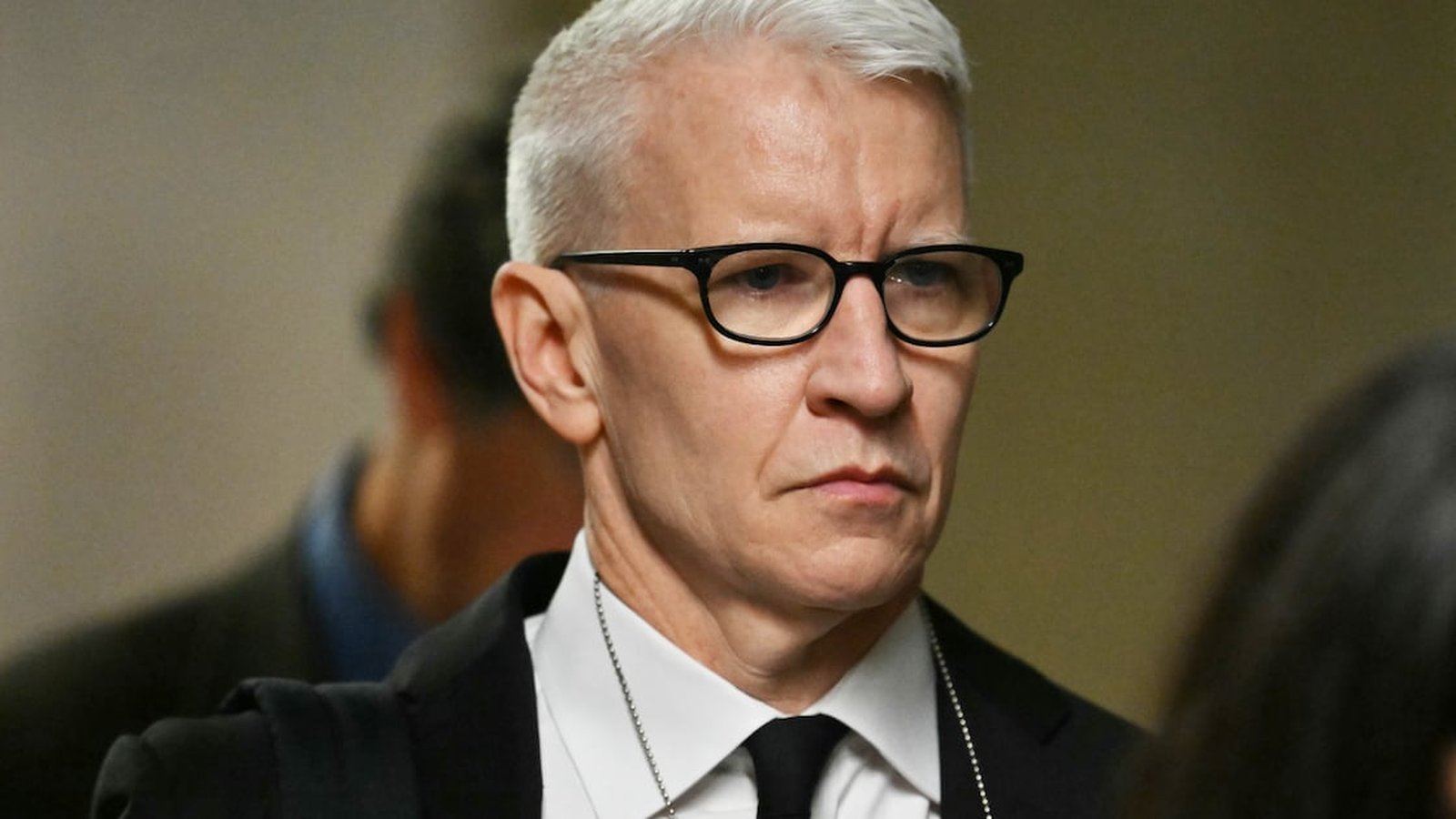
CNN anchor Anderson Cooper has reportedly made his opposition to working under CBS News Editor-in-Chief Bari Weiss known to colleagues, as the media landscape braces for a massive $111 billion consolidation. The proposed merger between Paramount, the parent company of CBS, and Warner Bros. Discovery, which owns CNN, would place both networks under the control of tech heir David Ellison.
Sources indicate that Cooper, who recently concluded a two-decade tenure as a correspondent for CBS’s 60 Minutes, has expressed deep reservations about the prospect of reporting to Weiss. Weiss, who was appointed as the first-ever Editor-in-Chief of CBS News in October 2025 following the acquisition of the network by Paramount, has faced significant criticism from both internal staff and high-profile departures.
Editorial Independence and Institutional Stakes
The tension surrounding Weiss centers on allegations of editorial interference. Since her appointment, several top producers have resigned, citing a perceived shift in the network’s editorial stance. Notably, veteran presenter Scott Pelley, who was fired from 60 Minutes last month after 37 years, publicly criticized the leadership, suggesting that the program’s traditional values were being compromised. Cooper’s own departure from the program earlier this spring was marked by a pointed public comment: “I hope 60 Minutes remains 60 Minutes.”
The stakes for CNN are substantial. David Ellison has publicly insisted that “editorial independence will absolutely be maintained” across his media properties, aiming to position his outlets to appeal to the ideological center. However, Ellison’s well-documented ties to President Donald Trump have raised significant alarms among CNN staff, who fear that a combination of Ellison’s ownership and Weiss’s potential influence could fundamentally alter the network’s editorial trajectory.
Broader Implications for Media Talent
The situation highlights a growing power struggle within legacy media. As corporate consolidation continues to reshape the industry, the ability of news organizations to retain star talent while navigating shifting ownership interests remains a critical challenge. For Cooper, one of the most recognizable faces in cable news, the decision to voice his concerns suggests that the cultural and editorial direction of the network will be a decisive factor in his professional future.
Despite these internal pressures, Cooper is expected to continue his broadcast duties, including his upcoming anchor role for the Boston Pops Fireworks Spectacular on July 4, a major production that underscores the continued high-profile nature of his work at CNN.