

Quick Read
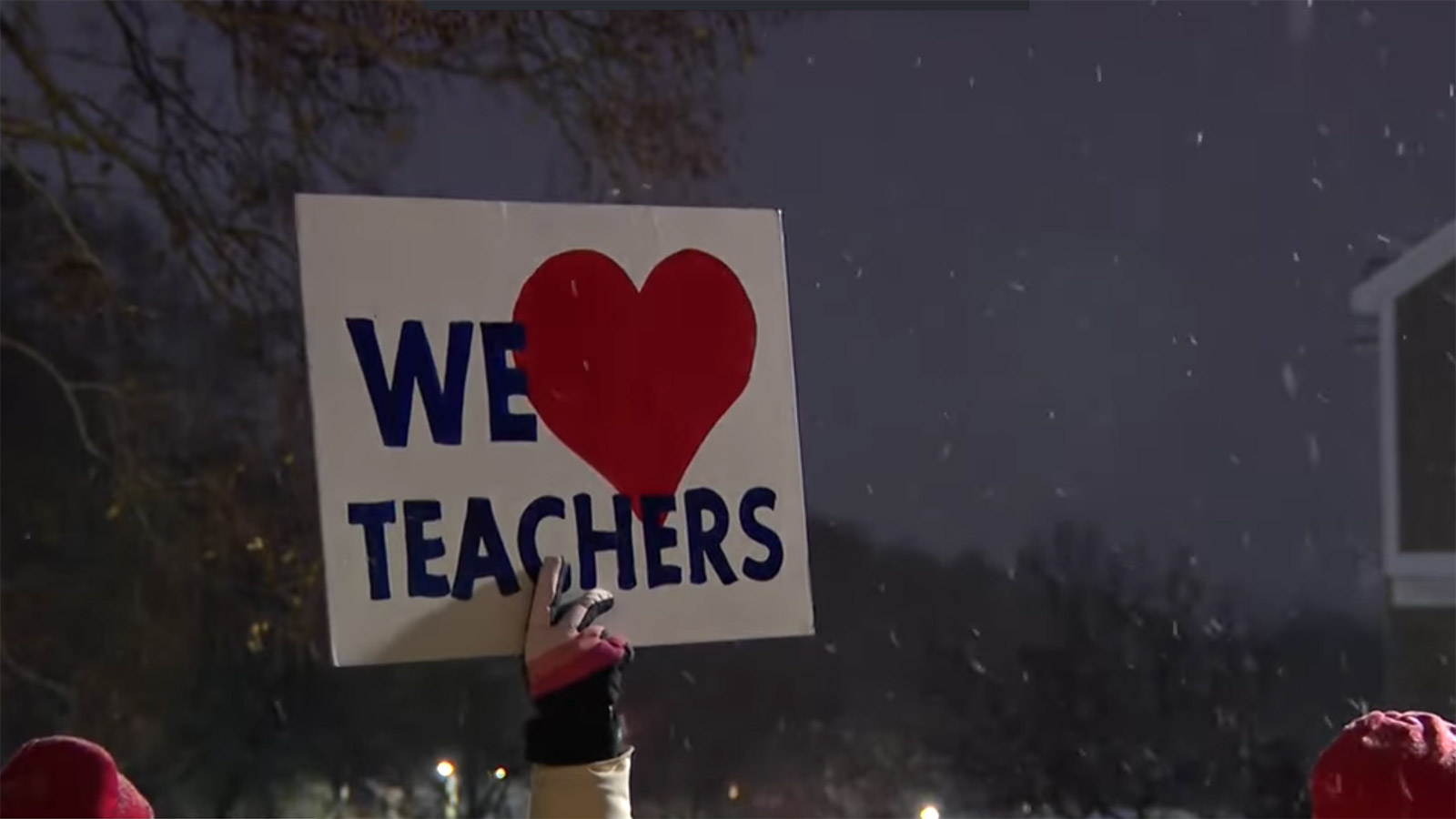
- The Anoka-Hennepin teachers’ union, representing over 3,200 educators, is planning a strike vote amid stalled contract talks.
- Key issues include salary increases and healthcare premiums, with negotiations ongoing since July and now in mediation.
- Union members will vote December 17–20; if approved, a strike could begin as early as January 2026.
- District leadership cites budget constraints and recent $22.2 million cuts but says it values teachers’ contributions.
- Educators emphasize the need for recognition and improved working conditions to attract and retain talent.
Anoka-Hennepin Teachers’ Union Moves Toward Strike Vote as Negotiations Stall
In the heart of Minnesota, the Anoka-Hennepin School District—home to over 3,200 educators and tens of thousands of students—is facing a tense standoff between its teachers’ union and district officials. As contract negotiations drag on with no resolution in sight, the union is preparing for a pivotal strike authorization vote that could reverberate far beyond school walls.
What’s at Stake: Pay, Healthcare, and Recognition
The core of the dispute centers on two issues: salary increases and healthcare premiums. For months, union leaders with Anoka-Hennepin Education Minnesota (AHEM) have pressed for pay raises and more affordable health insurance—demands they argue are not only reasonable but necessary. President John Wolhaupter has pointed to recent improvements in the district’s finances as evidence that their requests are within reach. “We really need both of those to make Anoka-Hennepin a desirable place for teaching,” Wolhaupter told SSBCrack News and el-Balad.
Educators like Kelley Stowell, who has served the district for nearly three decades, say the push for better compensation is about more than just dollars and cents. “It’s about being recognized and valued for the work we do,” she shared, reflecting a widespread sentiment among her colleagues.
Behind the Scenes: Negotiation Timeline and Financial Pressures
Negotiations for a new two-year contract began in July. Since then, the district and the union have met eight times—five of those meetings occurred before the process entered mediation in November and December. But despite these efforts, the two sides remain divided. The district recently completed a $22.2 million budget reduction, a move leadership says was necessary to maintain financial stability while juggling mandates like Minnesota’s Paid Leave requirement.
While district officials have declined to discuss negotiation details during mediation, they have emphasized their commitment to reaching a fair agreement. In a statement, the school board acknowledged “the pivotal role of teachers” and underscored their aim to enhance terms and conditions for educators within the district’s financial constraints.
Union leaders, however, remain unconvinced that the district’s current offers go far enough. They argue that competitive pay and affordable healthcare are critical to attracting and retaining quality teachers—a concern that resonates in a profession already grappling with high turnover and recruitment challenges across the nation.
Strike Vote and Possible Outcomes
The union has established a strike office in Coon Rapids, signaling the seriousness of their intent. The executive board’s approval of a strike authorization vote sets the stage for a critical decision: from December 17 to 20, union members will cast their ballots. If a majority votes in favor, AHEM will file its official intent to strike during the week of December 22. That means a strike could begin as early as the first full week of January 2026.
While both sides insist a strike is not their preferred outcome, neither is backing down. For teachers, the vote is a last resort after months of stalled talks. For the district, any strike would pose significant disruptions for students and families, potentially deepening the challenges already facing public education in the wake of the pandemic.
Wider Context: Mental Health and Student Wellbeing
The negotiations come at a time of shifting dynamics in Minnesota’s schools. According to a recent statewide student survey reported by Star Tribune, high schoolers’ anxiety levels have declined since the pandemic, and risky behaviors like drinking and unprotected sex are on the wane. Yet, the pressures on educators remain acute, as they shoulder not just academic instruction but also the emotional wellbeing of their students in a rapidly changing world.
Veteran teachers like Stowell say these realities make their work more demanding—and their need for institutional support more urgent. “It’s not just about money,” she notes. “It’s about being able to do our jobs well and knowing the district has our backs.”
District Response: Walking a Financial Tightrope
The Anoka-Hennepin School Board says it is working to balance the imperative of rewarding teachers with the need to keep the district financially sound. Obligations like unfunded state mandates and recent budget cuts have squeezed available resources, leaving less room for maneuver. Still, the board maintains it is negotiating in good faith and values its educators’ contributions.
District leadership has so far refrained from publicly debating the union’s proposals, citing the ongoing mediation. Instead, they have urged patience and expressed hope for a resolution that supports both the district’s fiscal health and the well-being of its staff.
What Happens Next?
As the December vote approaches, anxiety and anticipation are building across the Anoka-Hennepin community. Parents, students, and teachers alike are bracing for the possibility of classrooms falling silent in the new year. For now, all eyes are on the union’s membership and the outcome of the pending strike authorization.
Should the strike proceed, the district will face not only logistical headaches but also a profound question: How can Minnesota’s largest school district ensure its educators feel valued, supported, and motivated to stay in the profession?
With both sides citing improved finances but highlighting competing priorities, the outcome of this standoff will likely set a precedent for how Minnesota’s school districts navigate the delicate balance between fiscal responsibility and investing in those who shape the next generation. The coming weeks will reveal whether compromise is possible—or if the classroom doors will close as educators demand a new deal.