


Strategic Coordination Between CENTCOM and Israel
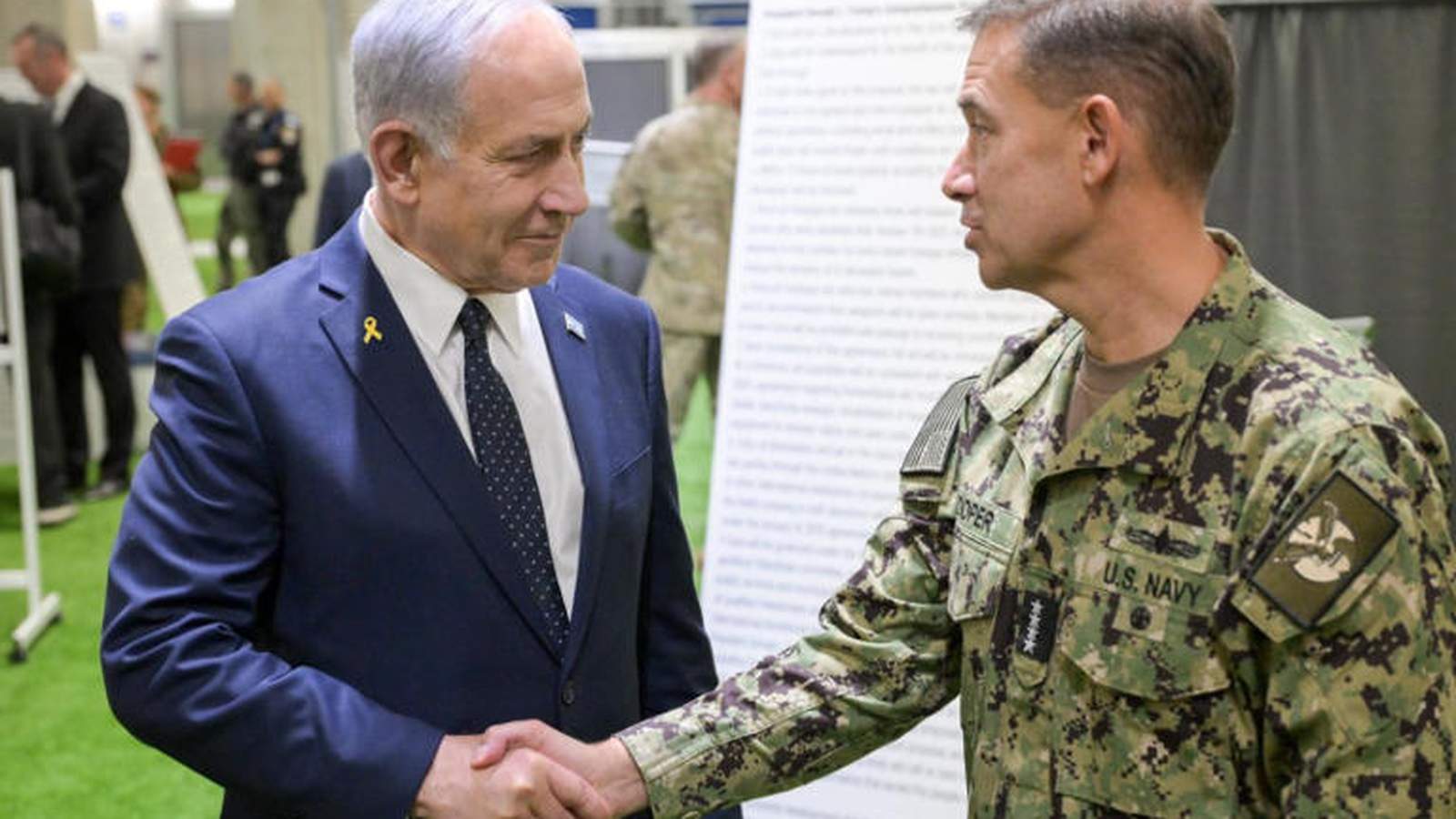
US Central Command (CENTCOM) head Admiral Brad Cooper is currently engaged in intensive consultations with Israeli military leadership regarding potential tactical responses to ongoing tensions with Iran. According to reports from Channel 12, Israeli Chief of Staff Eyal Zamir has been in constant contact with Admiral Cooper to synchronize military planning. These efforts come as the US and Israel evaluate potential strikes against critical Iranian infrastructure, including energy installations, steel plants, and oil reserves.
The Standoff Over Maritime Blockades
The urgency of these discussions follows a series of high-stakes naval operations in the region. Admiral Cooper recently confirmed that US forces have intercepted 42 vessels as part of a maritime blockade designed to choke off Iranian trade. According to official statements from the US military, 41 tankers remain stranded, preventing an estimated 69 million barrels of oil from reaching global markets. The economic impact is significant, with the cargo valued at over 6 billion US dollars. Iran has characterized these seizures as acts of piracy, with the Khatam al-Anbiya Central Headquarters warning that such actions will soon be met with what they described as unprecedented military retaliation.
President Trump Weighs Diplomatic and Military Options
Amid these developments, US President Donald Trump addressed the dual-track approach currently being pursued by his administration. Speaking from the White House, President Trump characterized the situation as a choice between a negotiated settlement and a significant military escalation. While the President expressed a personal preference for a diplomatic solution, he openly questioned the viability of current proposals from Tehran, citing a fragmented and disjointed Iranian leadership structure. He noted that while Tehran is signaling a desire for a deal, he remains unconvinced by the terms presented thus far.
The intensification of direct coordination between Admiral Cooper and Israeli counterparts, coupled with the active enforcement of a multi-billion dollar naval blockade, indicates that the United States is moving toward a decisive phase where diplomatic window-dressing is increasingly sidelined by structural military pressure on Tehran’s economic and energy assets.