


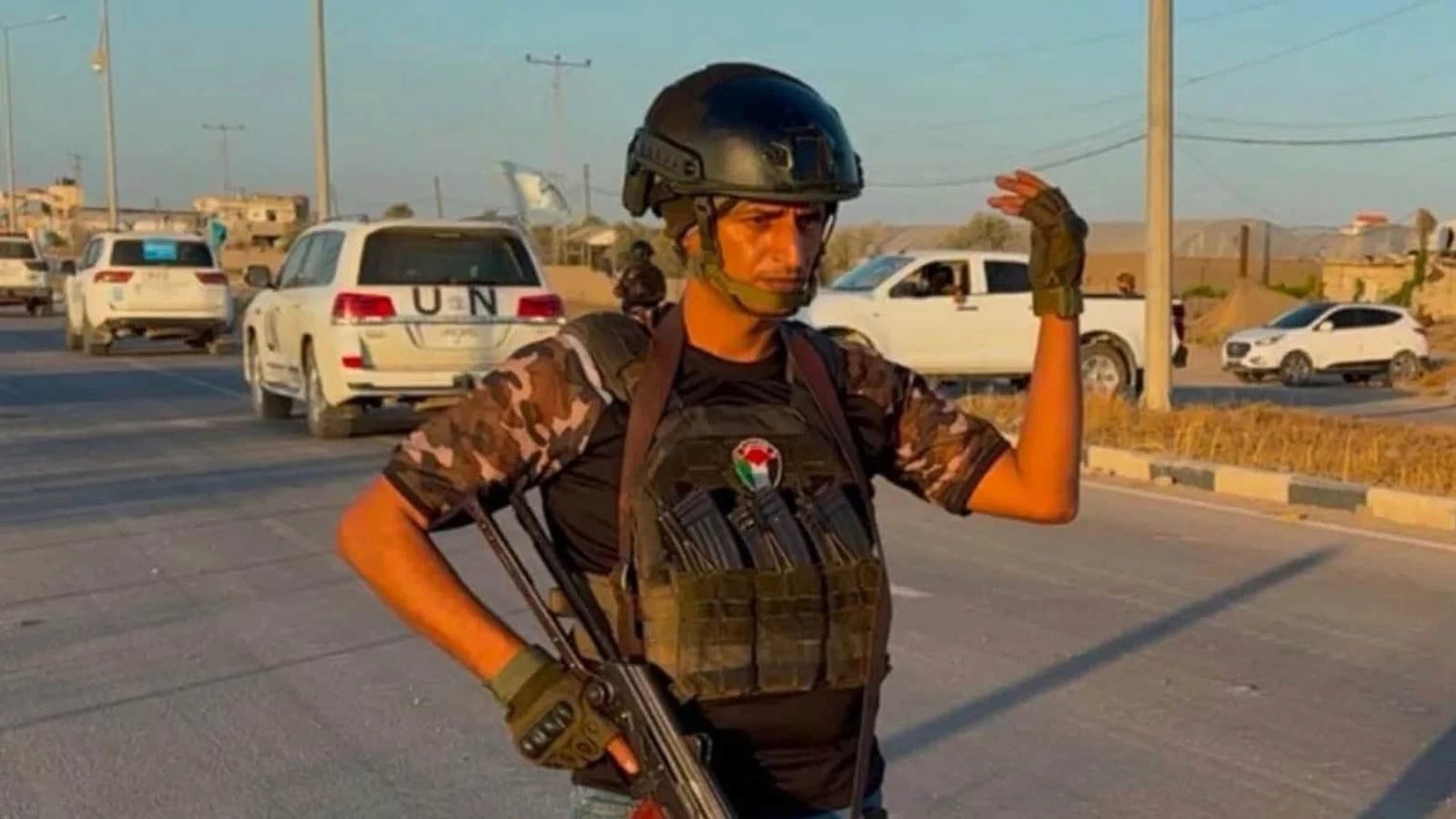
Who Was Yasser Abu Shabab? The Face of Anti-Hamas Resistance in Gaza
In the tumultuous landscape of Gaza, few names carried as much controversy in recent months as Yasser Abu Shabab. As the leader of the Popular Forces militia in Rafah, Abu Shabab became a focal point for the region’s escalating internal strife. His organization, an armed group openly opposed to Hamas rule, found itself caught between accusations of criminality and claims of resistance.
Abu Shabab’s group was dogged by allegations of looting aid trucks meant for Palestinians struggling with famine—a charge that, for many, blurred the lines between vigilantism and exploitation. Yet, it was his reported collaboration with Israeli authorities that ultimately sealed his fate. According to The New Region, Hamas labeled him a “traitor” and “collaborator with the [Israeli] occupation,” framing his death as the inevitable consequence for anyone who works against the Palestinian people.
Death and the Politics of Betrayal: Conflicting Narratives
On Thursday, Israeli Army Radio reported Abu Shabab’s death. Initial Israeli assessments suggested he may have been killed in an internal dispute, but Hamas swiftly claimed responsibility, painting the incident in stark moral terms. In an official statement, Hamas condemned Abu Shabab’s actions as a “blatant departure from national and social norms,” accusing both him and his militia of committing criminal acts against Palestinians.
The rhetoric from Hamas was uncompromising: “The fate he met is the inevitable fate of anyone who betrays his people and homeland.” For Hamas, Abu Shabab’s death was not just a matter of security, but of principle—a warning to others who might consider collaboration with Israel. The group accused Israel of relying on “morally and socially degraded gangs” to push forward “illusory projects” inside Gaza, suggesting that Israel’s efforts to undermine Hamas were failing in the face of local resistance.
Israel’s Calculated Support for Anti-Hamas Militias
The existence of the Popular Forces and their open opposition to Hamas was no secret. In June, Israeli Prime Minister Benjamin Netanyahu publicly admitted that Israel supports an armed group in Gaza opposed to Hamas, declaring, “it is only good, it is saving lives of Israeli soldiers.” This rare admission was a window into Israel’s covert operations in Gaza—a strategy aimed at fracturing Hamas’s grip by empowering local rivals.
But as Hamas pointed out in its statement, “An occupation that failed to protect its collaborators will not be able to protect any of its agents.” The message was clear: Israel’s support may offer tactical advantages, but it leaves its allies vulnerable to reprisals, and the consequences can be fatal.
Clashes, Ceasefires, and the Fraying Fabric of Gaza’s Society
Abu Shabab’s Popular Forces and Hamas had repeatedly clashed, especially following the imposition of a ceasefire between Hamas and Israel in October. These confrontations were not just about territory or ideology—they reflected deeper fissures within Gaza’s society. The struggle for power and legitimacy played out against a backdrop of humanitarian crisis and political uncertainty.
Hamas, in its statement, sought to rally Palestinian unity, insisting that the “unity of Palestinian families, tribes, and institutions remains the safeguard against any attempt to damage the internal fabric of our society.” It concluded with a stark warning: Gaza “will not be a shelter for criminal gangs or suspicious schemes, regardless of who stands behind them.”
What Abu Shabab’s Death Means for Gaza’s Future
The killing of Yasser Abu Shabab is more than an isolated act of violence; it is a signpost for the complex, dangerous landscape of Gaza’s internal politics. The lines between resistance, collaboration, and criminality have become blurred, leaving civilians caught in the crossfire. While Israel’s support for anti-Hamas groups represents a tactical move, it risks deepening divisions and sowing further instability.
For Hamas, the message is one of deterrence and control. For Israel, the calculus is about weakening its adversary. But for ordinary Gazans, the consequence is uncertainty—a society where alliances shift rapidly, and survival depends as much on politics as on aid.
As Gaza continues to grapple with famine, ongoing conflict, and fragmented leadership, the death of Abu Shabab serves as a stark reminder of the region’s volatility. The fate of collaborators, as Hamas warns, is a cautionary tale for anyone contemplating a challenge to the status quo. Yet, the very presence of armed opposition within Gaza signals that Hamas’s authority is not absolute, and the struggle for power remains ongoing.
Assessment: The killing of Yasser Abu Shabab underscores the dangerous intersection of internal Palestinian politics, external influence, and humanitarian crisis in Gaza. It illustrates how both collaboration and opposition are fraught with peril, leaving Gaza’s future uncertain and its social fabric increasingly strained. The incident also highlights the limits of outside intervention and the enduring complexity of local allegiances.