


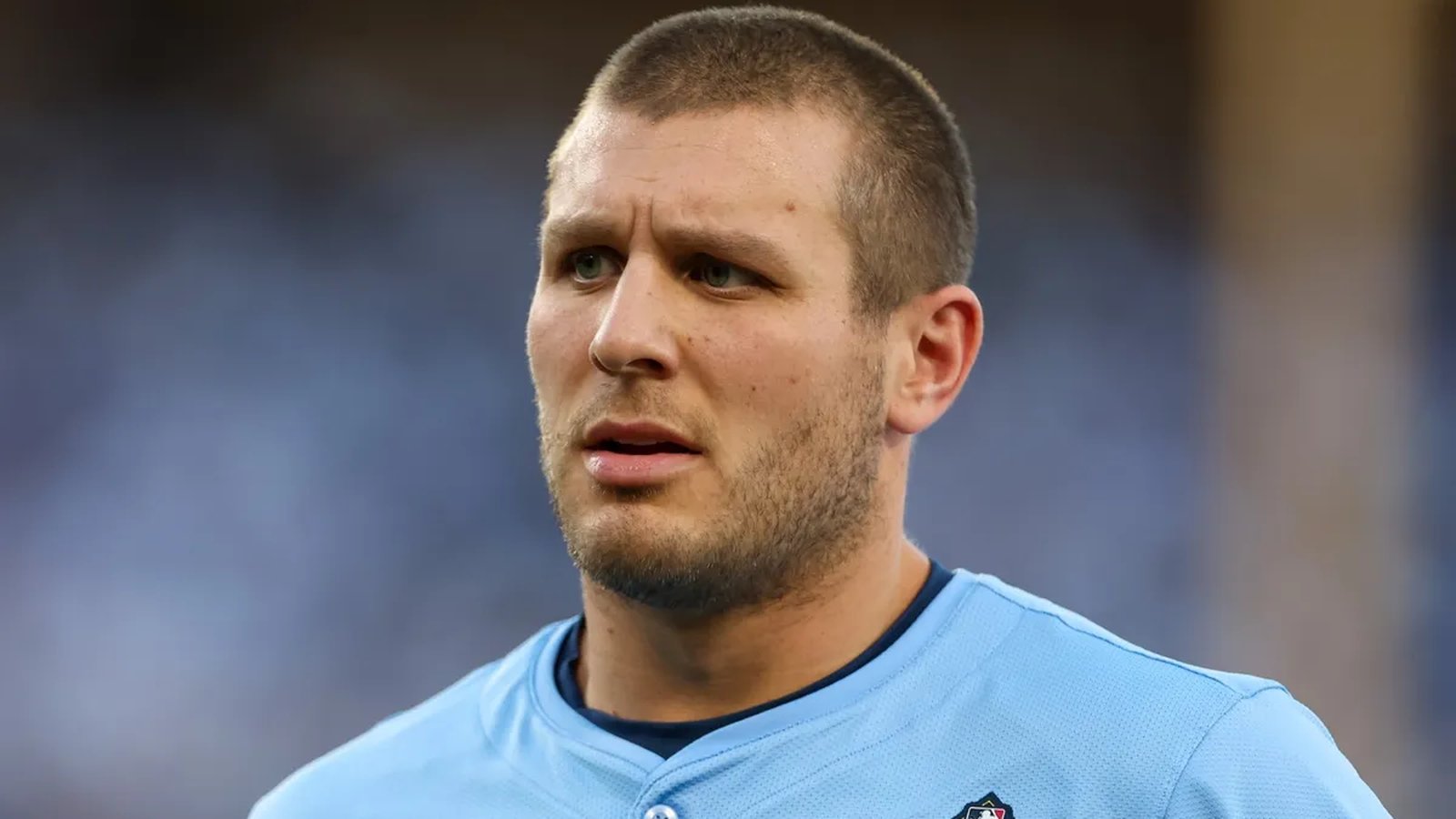
TORONTO (Azat TV) – Toronto Blue Jays outfielder Daulton Varsho has formally declined requests to change his walk-up song, “Ordinary” by Alex Warren, despite a growing online petition from fans who blame the track for the team’s sluggish start to the 2026 season. The refusal, confirmed by the player on April 12, 2026, has turned a routine stadium ritual into a flashpoint for fan frustration during a period of team instability.
The Psychology of the Walk-Up Song Debate
In professional baseball, the walk-up song serves as a brief but significant bridge between the dugout and the batter’s box. When a team struggles to find offensive rhythm, fans often search for symbolic anchors to explain the slump. The backlash against Varsho’s musical choice highlights a common psychological reaction: the need to assign meaning to repetitive, public rituals when on-field results fail to meet expectations. While “Ordinary” has garnered over 60 million views on YouTube and previously topped Billboard charts, its association with the Blue Jays’ early-season offensive stagnation has led some supporters to view it as a negative omen.
Player Agency and Personal Rituals
Varsho’s decision to maintain his current selection is rooted in personal preference, with the outfielder noting that the song holds sentimental value for his daughter. This stance underscores the tension between fan-driven narratives and the professional routines that players rely on to maintain focus. According to data from WalkUpDB, Varsho has historically rotated his entrance music, having utilized tracks by artists such as Josiah Queen and Chris Hennessee in previous seasons. By standing firm on his choice, Varsho has effectively shifted the conversation from a debate over musical taste to one regarding player autonomy.
Stakes for Team Identity and Fan Relations
The controversy surrounding the Daulton Varsho walk-up song reflects broader anxieties about the Blue Jays’ performance trajectory. As the team searches for consistent production, the petition serves as a proxy for broader fan dissatisfaction. However, recent signs of offensive life from Varsho, including his first home run of the season and a string of RBIs, have begun to quiet some of the more vocal critics. The situation illustrates how quickly secondary elements of the game—like stadium music—can be magnified when the primary objective, winning, remains elusive.
While the petition highlights a desire for fan participation, the longevity of this debate is inextricably linked to the team’s performance metrics. History suggests that such controversies typically dissipate as individual statistics improve, indicating that the song is less a catalyst for the team’s struggles and more a convenient focal point for collective frustration.