

Quick Read
- Leaked dummy units indicate a 4.5mm thickness for the foldable iPhone.
- MagSafe magnets may be moved to the case to accommodate the slim internal frame.
- The device is expected to feature a 7.8-inch internal display and an A20 Pro chip.
The Anatomy of a Foldable Shift
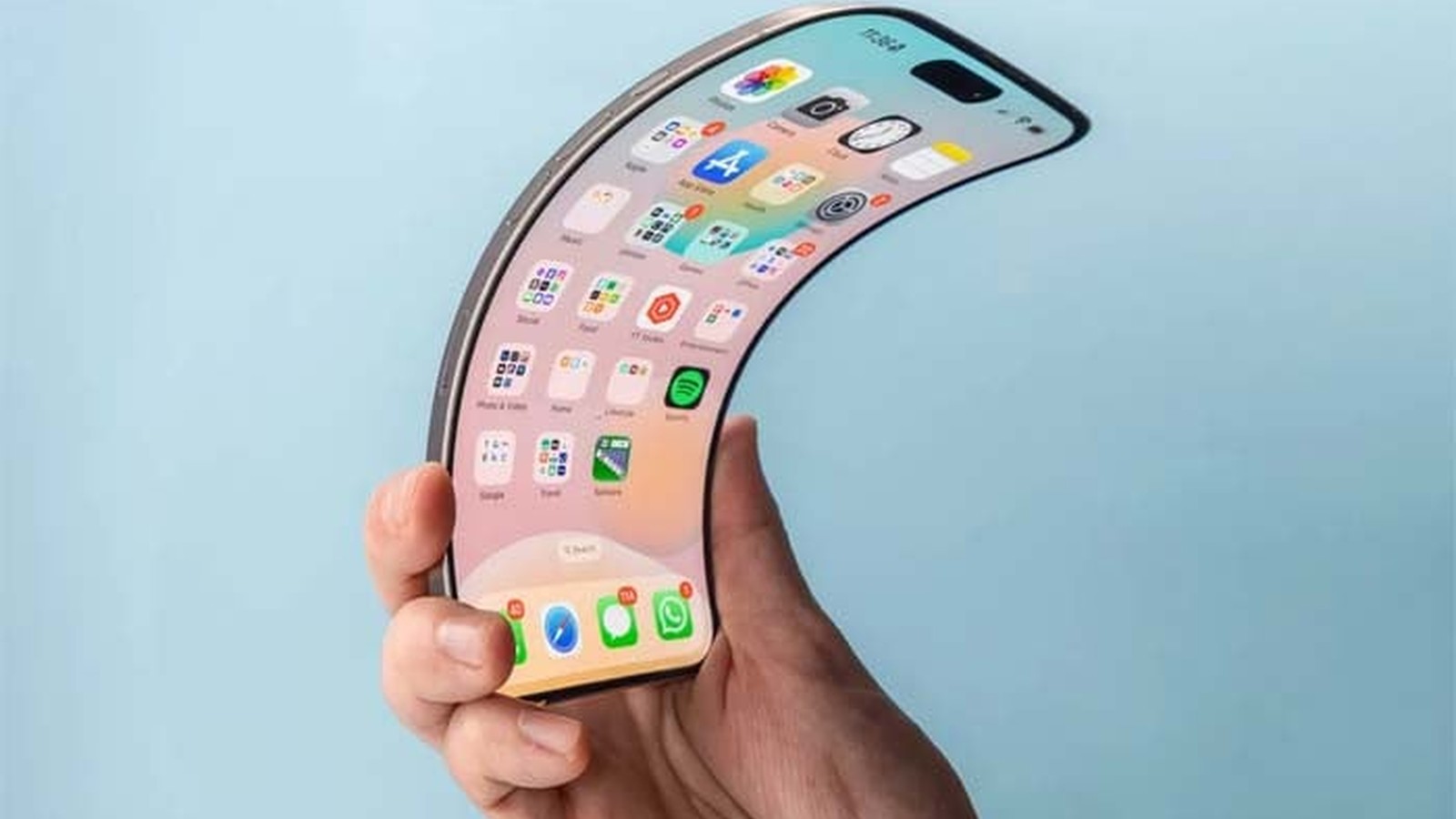
The latest leaked dummy units and third-party cases for Apple’s long-rumored foldable device suggest a definitive departure from the company’s traditional hardware architecture. With a reported unfolded thickness of just 4.5mm, the device—variously dubbed the iPhone Ultra or iPhone Fold—appears to prioritize extreme portability. This pursuit of ultra-thin design has seemingly forced a compromise: the apparent omission of internal MagSafe magnetic rings, a feature that has become standard for the modern iPhone ecosystem. Instead, early evidence points to a reliance on case-integrated magnets, a design choice that reflects the physical constraints inherent in engineering a book-style foldable that remains usable as a daily driver.
Design Philosophy Amid Competitive Pressure
Apple’s entry into the foldable market, rumored for a late 2026 launch, comes after years of market dominance by Android competitors who have already iterated through several generations of creaseless displays and hinge mechanics. By opting for a 5.5-inch external display that expands into a 7.8-inch internal OLED panel, Apple is positioning this device as a bridge between the standard handset and the iPad. This iPhone Fold represents more than just a spec-sheet evolution; it is a calculated attempt to reclaim the premium segment by emphasizing durability and a refined user interface over raw hardware volume.
Digital Security and User Autonomy
For users in Armenia and beyond, the shift toward foldable form factors raises broader questions about the future of digital privacy and device longevity. As hardware becomes more complex, the ability for independent repair and the maintenance of open-source standards becomes increasingly critical for democratic accountability in consumer tech. While Apple’s focus on the A20 Pro processor and advanced biometrics promises high performance, the centralization of hardware components in such a specialized device necessitates a vigilant approach to data security. As the industry pivots toward these experimental designs, the true test for Apple will be whether it can maintain its commitment to user privacy while navigating the engineering trade-offs of a foldable future.