


The Disclosure of Strategic Cross-Investment
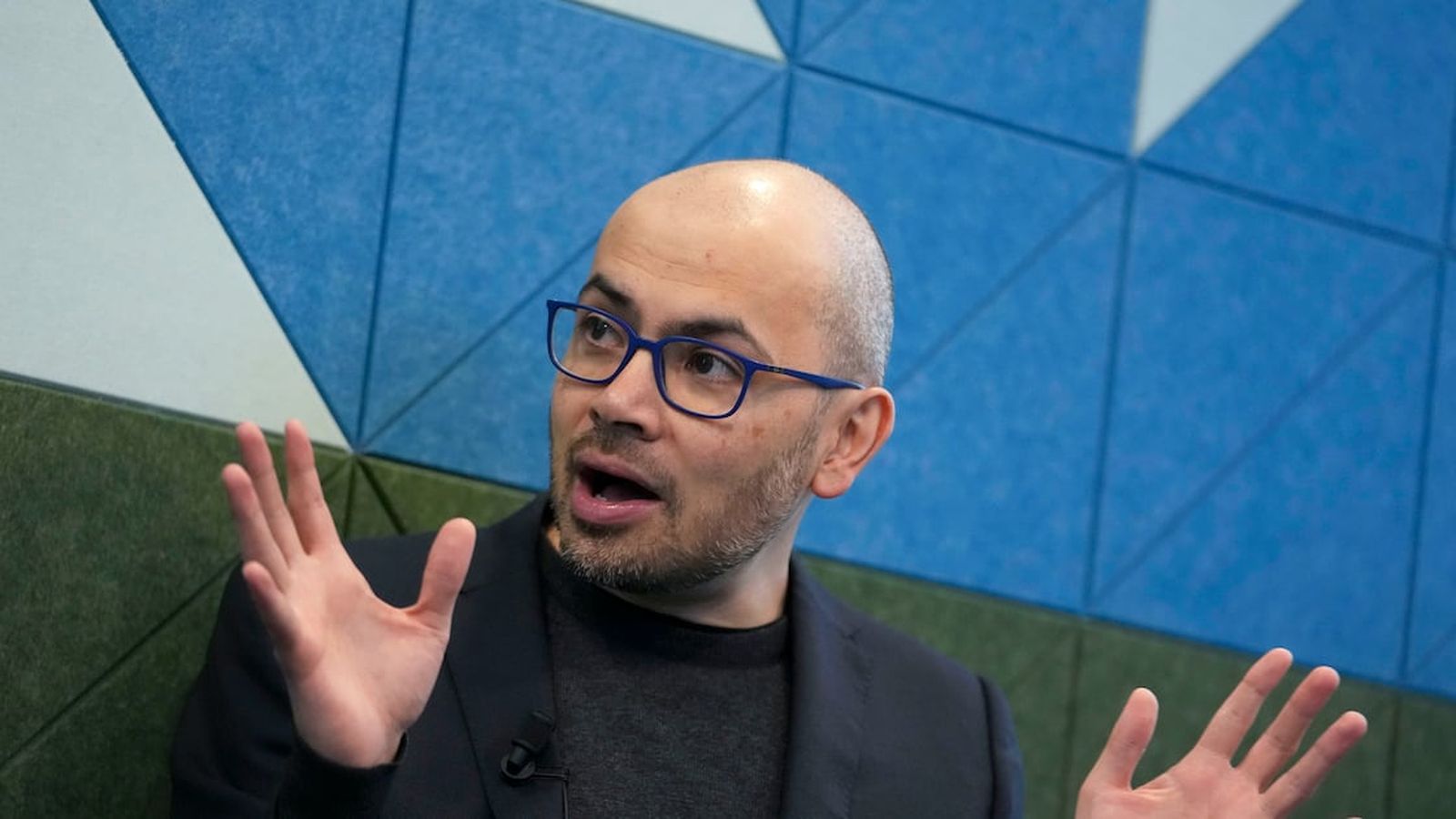
On May 19, 2026, disclosures revealed that Demis Hassabis, the CEO of Google DeepMind, held an early angel investment position in Anthropic. The revelation is particularly significant given that Anthropic has evolved into one of Google’s most formidable competitors in the generative AI market. While Google itself has funneled billions into Anthropic, the personal financial entanglement of its top AI leader in a rival entity creates a complex landscape of institutional and personal interests.
Quantifying the Influence of the DeepMind Ecosystem
Hassabis’s role extends far beyond a singular investment in Anthropic. Reports indicate that since 2021, former DeepMind researchers have founded more than a dozen high-profile AI startups, collectively raising over $14 billion. These entities include Isomorphic Labs, Ineffable Intelligence, Inflection AI, and Mistral, among others. By backing projects founded by long-time collaborators—such as Mustafa Suleyman and David Silver—Hassabis has effectively woven a network of influence that spans the entire silicon-based intelligence ecosystem.
Market Implications and Competitive Dynamics
The valuation of Anthropic, currently hovering near $900 billion in anticipation of an upcoming IPO, underscores the immense stakes involved. When a key executive at a trillion-dollar tech giant is also an early backer of a direct competitor, it necessitates a rigorous examination of corporate governance standards. Critics and market analysts argue that such interconnectedness may blur the lines between strategic corporate objectives and personal venture capital pursuits, potentially impacting how resources, talent, and proprietary research are distributed within the industry.
The Role of Mentorship and Talent Retention
The relationship between Hassabis and Anthropic CEO Dario Amodei is often described as one of mentorship, with Amodei reportedly viewing Hassabis as a role model. This dynamic illustrates the insular nature of the AI research community, where the movement of top-tier talent from major labs to independent startups—often with the blessing or financial backing of their former leaders—is becoming the norm. While this fosters innovation, it also challenges the ability of incumbent tech giants to maintain a monopoly on breakthroughs and human capital.
The structural implications of Hassabis’s investment portfolio suggest a paradigm shift in how AI leadership is defined. As the lines between independent innovation and corporate hegemony continue to dissolve, regulatory bodies and institutional investors will likely demand greater transparency regarding personal financial stakes in competitive assets. Whether this network of influence accelerates the progress of artificial intelligence or creates systemic conflicts of interest remains the central tension in the current AI gold rush.