
Quick Read
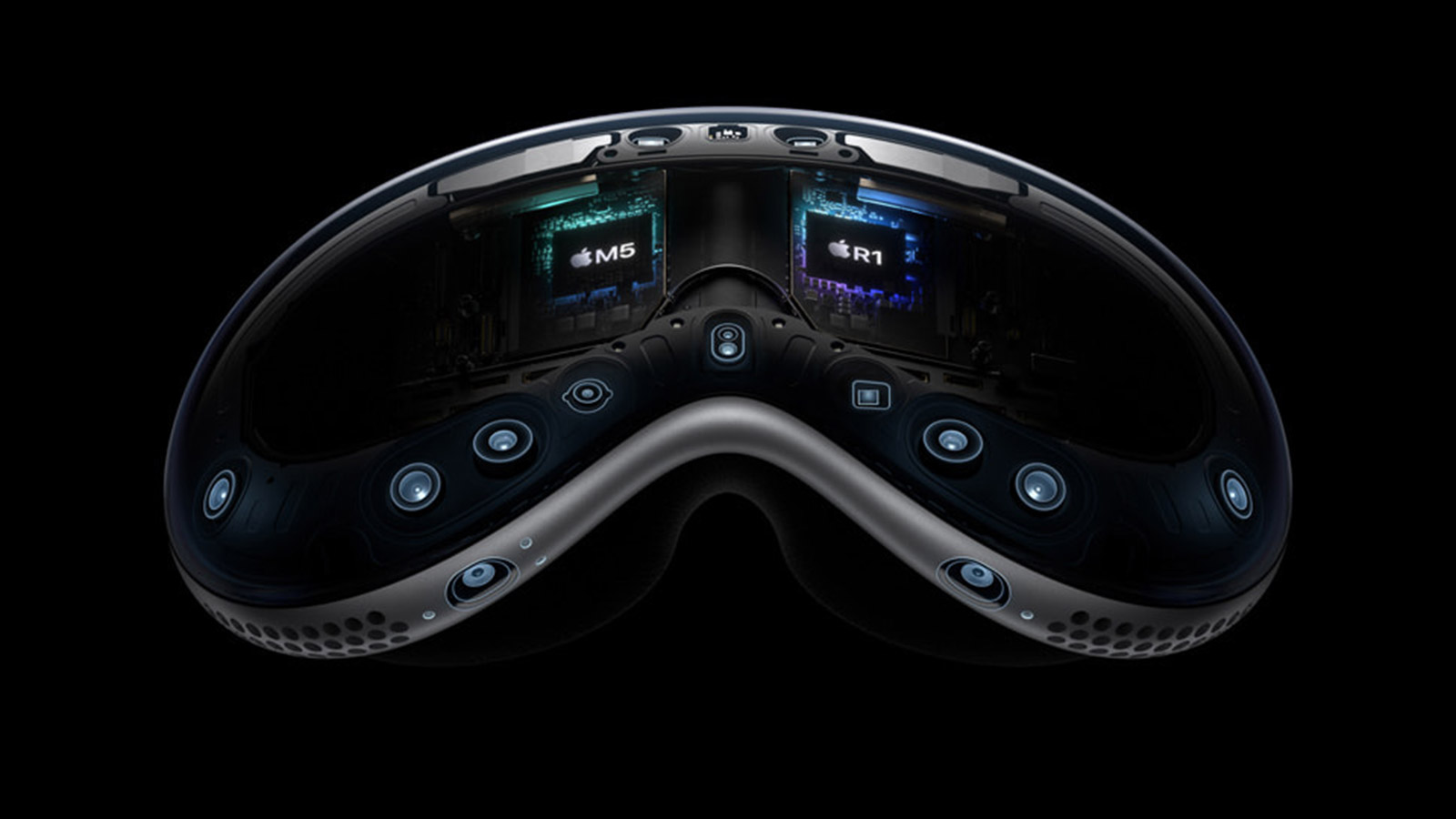
- Apple Vision Pro M5 features the new M5 chip, offering smoother graphics and faster AI tasks.
- Despite technical improvements, reviewers note persistent issues with comfort, content, and mainstream appeal.
- Developer support and app ecosystem remain limited, impacting daily usability.
- The device’s future depends on Apple’s ability to improve content, comfort, and accessibility.
Apple Vision Pro M5: What’s New Under the Hood?
When Apple first unveiled the Vision Pro headset in early 2023, it promised to usher in a new era of spatial computing—where digital experiences blend seamlessly with the physical world. Nearly two years later, the Vision Pro is back in the headlines, thanks to a refresh that swaps its original M2 chip for the much-hyped M5 processor. But does this technical leap translate into a revolution for users? Or does it simply paper over the cracks that have kept Vision Pro from becoming a true mainstream device?
The M5 chip, previously rolled out in Apple’s latest MacBook Pro, brings considerable muscle to the Vision Pro. According to Ars Technica, users can expect smoother performance in graphics-heavy tasks and machine learning applications. The M5 touts a 15% faster multithreaded CPU, a staggering 45% improvement in GPU performance over the M4, and a fourfold boost in peak AI compute power. On paper, this means launching apps, generating avatars, and navigating immersive environments should feel snappier.
But as Samuel Axon at Ars Technica observed, these upgrades don’t always translate to a dramatically different experience in day-to-day use. While the device is now faster at generating Persona avatars and launching applications, Axon admits, “I didn’t notice any difference that significantly impacted the user experience.”
Performance Upgrades vs. Everyday Reality
For early adopters, the M5 refresh is a welcome bump in horsepower. But the Vision Pro’s Achilles heel has never been raw performance—it’s been about practical value. When Axon first received the Vision Pro, he dove into movies on planes, experimented with spatial app windows around his home, and tried out every immersive video and game he could find. The novelty was undeniable. Yet as months passed, use dwindled. “Practicality beat coolness,” he confesses, and the headset became an occasional entertainment companion for hotel rooms rather than a daily driver.
Why? The answer is multilayered. Despite Apple’s efforts to bolster developer support and expand content, the ecosystem remains thin. There simply aren’t enough must-have apps or compelling experiences to keep users coming back. And while the M5 chip makes everything a little faster, it doesn’t solve the fundamental issue: the Vision Pro, for many, still feels like a device in search of a purpose.
Comfort, Content, and Cost: The Real Barriers
The Vision Pro’s design remains ambitious, but its comfort and accessibility are mixed. While Apple has made “incremental comfort tweaks” in the new model, Axon notes that price and weight are still major hurdles. He suggests that the device could appeal to a broader audience “if the price and weight could come down,” and even speculates that removing hardware related to Personas and EyeSight could help reduce both.
Content is another stumbling block. The headset’s immersive experiences are unique, but the library of spatial apps, games, and videos remains limited. Developer enthusiasm is described as “tepid”—not for lack of trying on Apple’s part, but because building compelling spatial experiences requires significant investment, and the user base is still niche.
The Vision Pro’s Place in Apple’s Ecosystem
Vision Pro was never going to be the next iPhone. Axon is blunt: “It’s not going to be as big as the iPhone, or probably even the iPad, but it has already found a small audience that could grow significantly.” For now, that audience consists of tech enthusiasts, frequent travelers seeking portable entertainment, and developers experimenting with spatial computing.
The M5 chip does bring the headset closer to the performance levels seen in Apple’s premium laptops, and it lays the groundwork for more advanced AI-driven features down the line. However, as MacDailyNews points out, “Any device, no matter how cool, that makes the user work too hard just to use it, is a failure.” The Vision Pro’s learning curve, setup complexity, and lack of killer apps remain obstacles.
Is Vision Pro M5 Worth It?
For those who already own the original Vision Pro, the M5 upgrade may feel like an incremental improvement rather than a game-changer. The headset is now faster, and perhaps a bit more comfortable, but the essential experience is much the same. For newcomers, the decision hinges less on technical specs and more on whether the Vision Pro fits their lifestyle—and budget.
At a premium price point, with content and developer support still catching up, the Vision Pro M5 is best viewed as an investment in the future of spatial computing, rather than a polished, must-have gadget for the present. Apple’s continued work on comfort and content will be key to the headset’s long-term success.
What’s Next for Vision Pro?
Apple’s history is littered with products that began as niche curiosities before evolving into household names. The Vision Pro could follow that trajectory—if Apple keeps refining the hardware and, crucially, the software ecosystem. Axon concludes, “I hope Apple keeps working on it.” The device has carved out a small but loyal audience, and with the right improvements, it could yet find its footing.
As 2025 draws to a close, the Vision Pro M5 stands as a testament to Apple’s ambition in spatial computing—but also as a reminder that speed and specs alone can’t guarantee widespread adoption. The next chapter will depend on how well Apple can address the real-world needs and desires of everyday users.
Assessment: Apple’s Vision Pro M5 is a technical step forward, but it’s not the breakthrough many hoped for. Its future depends less on silicon and more on substance: richer content, improved comfort, and a compelling reason for users to make it part of their daily lives. The device’s fate hangs in the balance, waiting for Apple—and developers—to tip the scales.