


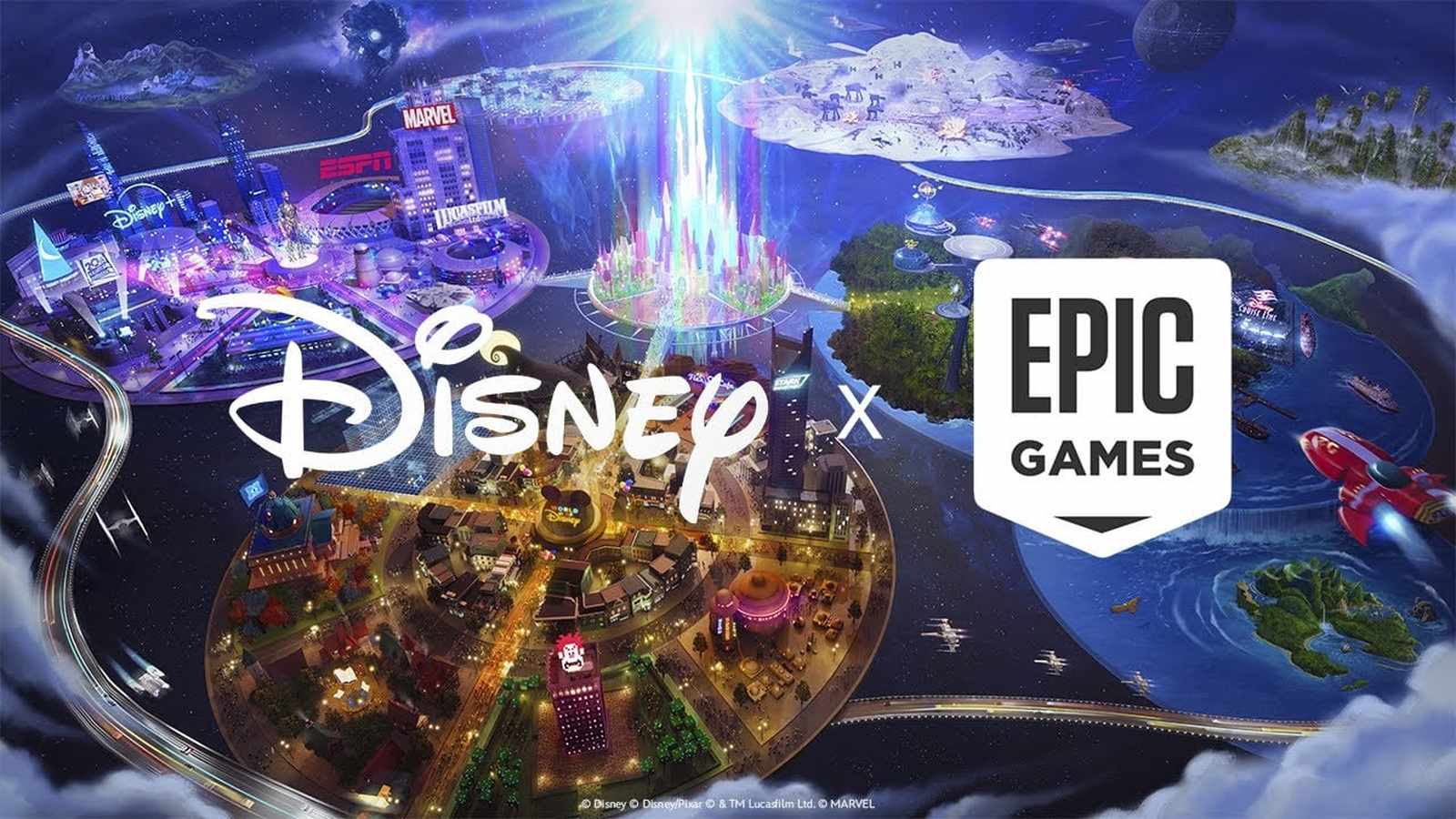
Following a period of internal restructuring and strategic shifts, The Walt Disney Company is reportedly evaluating the potential for a full acquisition of Epic Games. While Disney has maintained a significant presence in the Fortnite ecosystem through a $1.5 billion investment in 2024, industry insiders suggest that senior executives are now actively considering a complete takeover to solidify the media giant’s future in interactive entertainment.
The Strategic Value of the Unreal Pipeline
For Disney, the allure of Epic Games extends far beyond the Fortnite battle royale platform. The studio already relies heavily on Epic’s Unreal Engine—a sophisticated 3D creation tool—to power its film production pipeline, including high-budget series like The Mandalorian. By bringing the technology in-house, Disney could streamline its creative workflows and expand its virtual production capabilities for both cinema and its sprawling theme park attractions, such as the Millennium Falcon ride at Star Wars: Galaxy’s Edge.
Navigating Epic’s Financial Crossroads
The acquisition talk arrives at a pivotal moment for Epic Games. Last week, the developer confirmed it was laying off more than 1,000 employees and slashing $500 million in costs following a downturn in user engagement throughout 2025. While Epic CEO Tim Sweeney has emphasized that the company remains founder-controlled and independent, analysts suggest that the current financial pressure may influence the long-term feasibility of remaining a private entity. Despite these challenges, Disney CEO Josh D’Amaro has remained a vocal proponent of the partnership, viewing the integration with Fortnite as a critical vehicle to capture younger audiences who are increasingly moving away from traditional media.
Challenges in the Metaverse Integration
Despite the high-level interest, the path toward a unified “Disney gaming platform” remains complex. While the two companies have long promised an interconnected entertainment universe within Fortnite, the launch of a dedicated Disney-themed mode has been subject to delays and skepticism. Some Disney executives reportedly remain divided on the acquisition, questioning whether the investment would yield immediate returns compared to other digital initiatives. Nevertheless, as Disney seeks to challenge the market dominance of platforms like Roblox, the integration of its massive intellectual property portfolio—ranging from Marvel to Pixar—into Epic’s digital infrastructure appears to be the central pillar of its long-term growth strategy.
The potential acquisition underscores a broader industry trend where legacy media giants are increasingly desperate to own the platforms that define modern social and interactive engagement, effectively betting that the future of storytelling lies in virtual, creator-driven ecosystems rather than traditional broadcast models.