


Understanding the Turquoise Alert: A New Chapter for Arizona’s Missing Persons
In Arizona, a new wave of hope and urgency has emerged in the fight to find missing persons. The Turquoise Alert system, established under the recently enacted Emily’s Law, fills a crucial gap left by the more familiar Amber and Silver Alerts. It’s a story not just of policy, but of people—families waiting for answers, communities rallying to help, and law enforcement striving to protect those who might otherwise be overlooked.
Why Emily’s Law Matters: Addressing Gaps in Existing Alert Systems
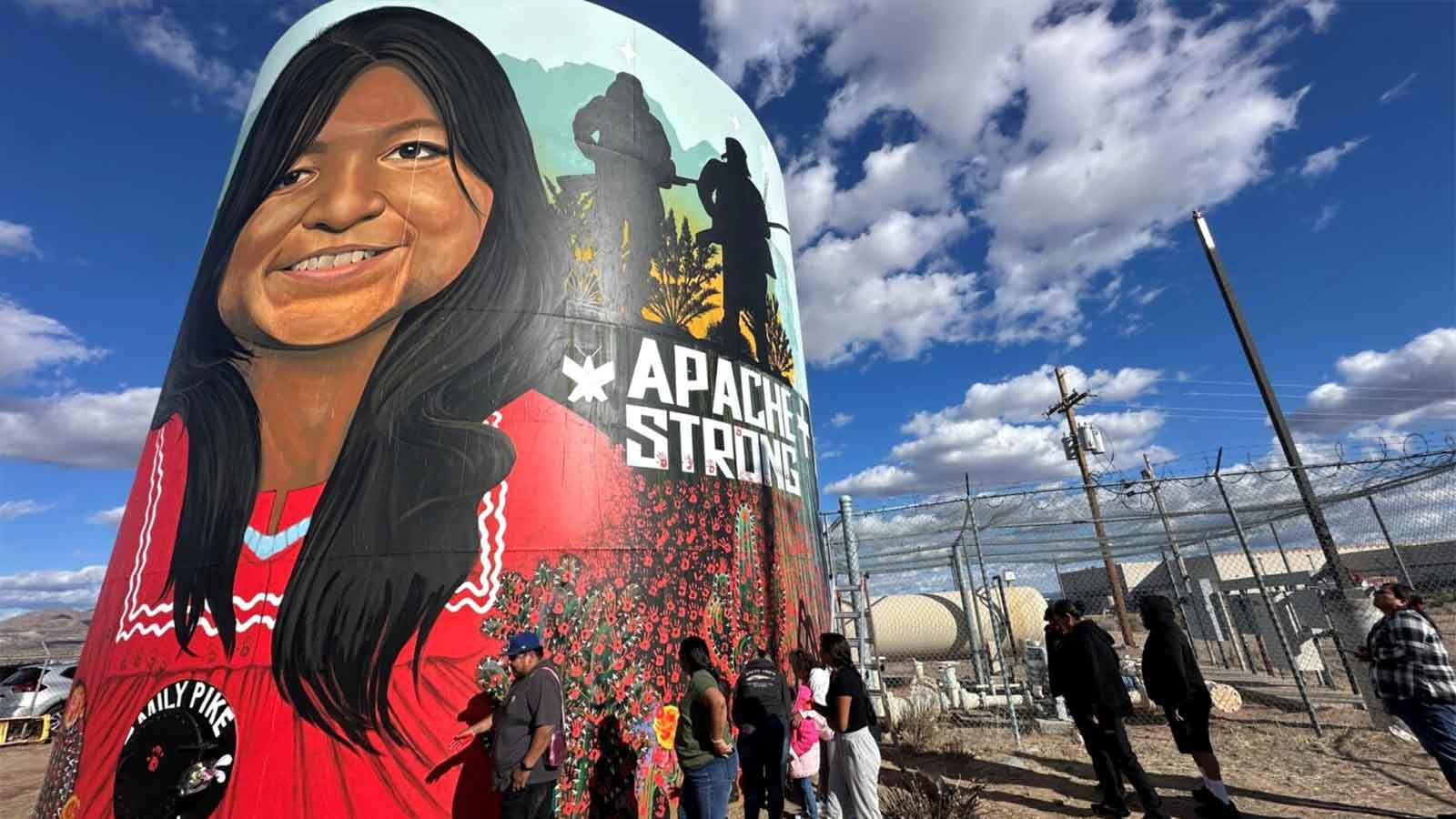
The genesis of the Turquoise Alert lies in tragedy and perseverance. Emily’s Law was created after the heartbreaking case of Emily Doe, whose disappearance didn’t meet the strict criteria required for an Amber or Silver Alert. Her story exposed a troubling reality: countless individuals—especially adults under 65 and those from marginalized communities—go missing each year without triggering a statewide alert.
Emily’s Law was designed to empower law enforcement to act swiftly in cases where existing systems fall short. Now, when someone like Emily disappears under unexplained or suspicious circumstances, officers can issue a Turquoise Alert and mobilize the public’s help.
How the Turquoise Alert Works: Criteria and Community Engagement
Unlike its predecessors, the Turquoise Alert specifically targets missing adults and teens who don’t qualify for Amber or Silver Alerts. The criteria are clear:
- The missing person is under 65 years old.
- The investigating agency has exhausted all other local resources.
- The circumstances are unexplained or suspicious.
- There’s reason to believe the individual is in danger, or with a potentially dangerous person.
- Public information could aid in their safe recovery.
Once these boxes are checked, law enforcement can quickly issue a Turquoise Alert. Information is broadcast via push notifications to cell phones, television, radio, and online platforms. The details matter: physical description, last known location, and any distinguishing features are shared to maximize the chances of a safe return, especially in rural or under-resourced areas.
Case in Point: The Search for Yolyn Hermios
Just this week, the power of the Turquoise Alert system was tested in Mesa, Arizona. On Saturday evening, 16-year-old Yolyn Hermios was last seen near Dobson and Broadway roads. Her sudden disappearance was out of character, and her family quickly grew concerned. Yolyn, a Pacific Islander teen, is described as 4 feet 2 inches tall, weighing about 110 pounds, with brown hair featuring green faded highlights, brown eyes, and last seen in a black shirt, red shorts, and black tennis shoes.
The urgency was palpable. Mesa police, having exhausted local search efforts, activated a Turquoise Alert—the second time the system has been used statewide. Community members were asked to keep watch and report any sightings or information to authorities at (480) 644-2211 or via 911. The broad public notification is not just about spreading the word; it’s about harnessing the collective vigilance of Arizona’s residents.
Impact on Marginalized Groups: Focusing on Indigenous and Minority Communities
One of the most profound aspects of the Turquoise Alert is its focus on equity. Data shows Indigenous communities in Arizona have long faced disproportionately high rates of missing persons. Traditional media and alert systems have often left these cases underreported and under-resourced. By explicitly prioritizing these vulnerable groups, the Turquoise Alert aims to correct decades of neglect.
Experts, such as those cited in Reuters, note that ongoing data collection and analysis from Turquoise Alerts are driving improvements in how policy is shaped, ensuring that all communities—regardless of background—receive fair attention and protection.
Operational Challenges and Community Response
While the system is a leap forward, it’s not without its challenges. Law enforcement must balance the urgency of alerts with the need to avoid false alarms or alert fatigue among the public. Each case is carefully vetted, and the criteria are strictly applied to ensure the system retains its credibility and effectiveness.
Community involvement remains a cornerstone of success. Residents are encouraged to remain vigilant, share information, and support families in crisis. The ripple effect is tangible: increased engagement, heightened awareness, and a sense of shared responsibility for public safety.
Looking Ahead: The Future of Missing Persons Alerts in Arizona
Since its launch, more than 300 individuals have been marked missing under the Turquoise Alert, highlighting its critical role in addressing cases previously lost in the shuffle. As awareness grows and more cases receive the attention they deserve, policymakers and advocates continue to push for refinements and additional resources.
Ultimately, the Turquoise Alert is more than a notification system—it’s a testament to the power of collective action, the importance of inclusivity, and the urgent need for continuous improvement in how we respond when someone goes missing.
What to Do If You Have Information
If you know anything about the whereabouts of a missing person under a Turquoise Alert, authorities urge immediate contact. Even the smallest detail could prove vital. The public’s role is not passive; it’s proactive and essential to the safe recovery of individuals like Yolyn Hermios.
Conclusion: Shaping a Safer, More Responsive Arizona
The enactment of Emily’s Law and the Turquoise Alert system signals a turning point in Arizona’s approach to missing persons. By bridging the gaps left by older alert systems, it brings hope and concrete action to families and communities that have often felt invisible. As new cases arise and the system evolves, one thing remains clear: the safety of every individual, regardless of background, is now a shared priority in Arizona.
Arizona’s Turquoise Alert system stands as a model for other states—a reminder that inclusive, adaptive public safety policies can save lives, bring communities together, and ensure that no missing person is left behind.