


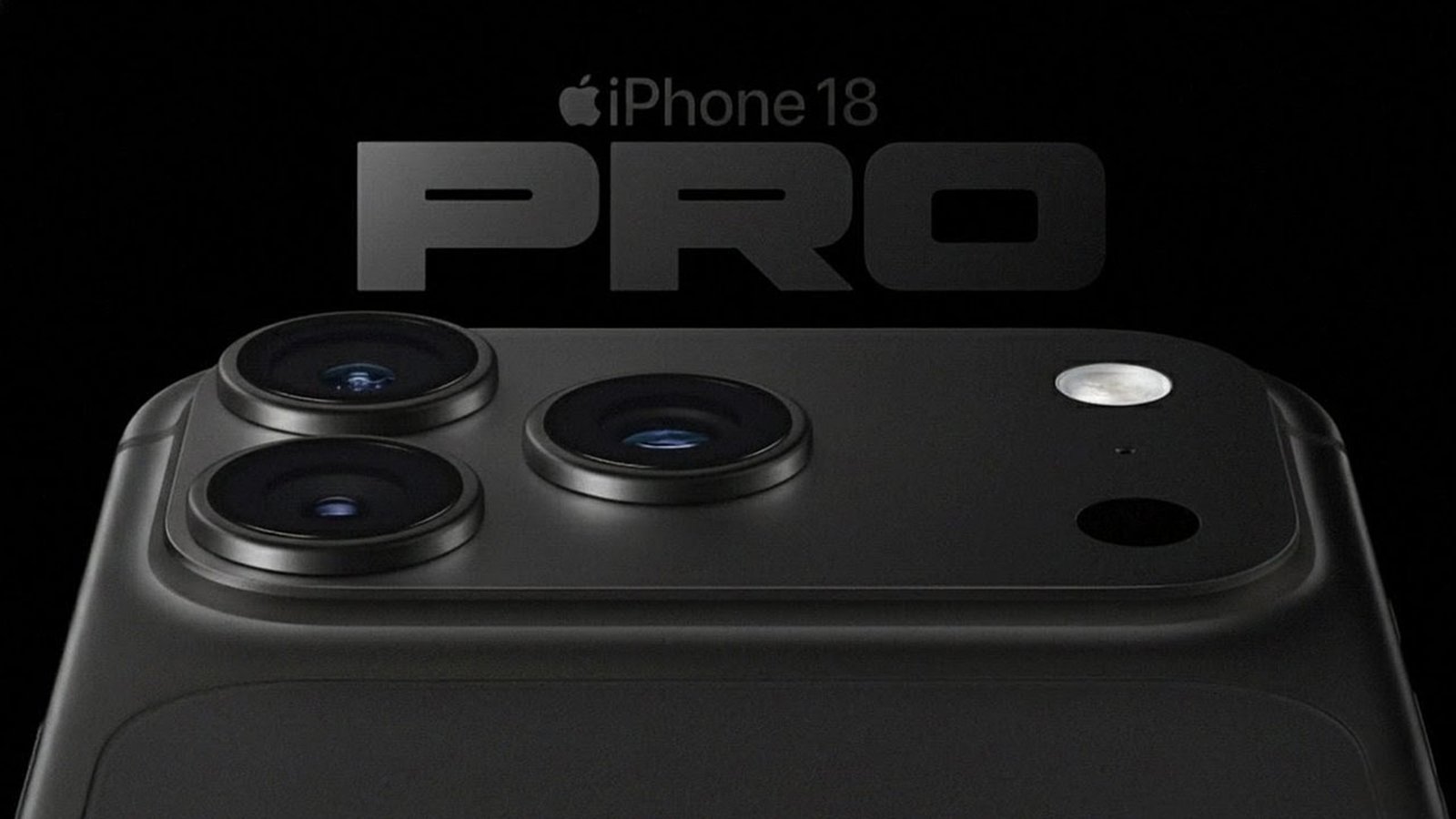
Advanced Camera Engineering and the Shift to Variable Aperture
As Apple approaches its expected September release window, fresh reports from supply chain analysts indicate that the iPhone 18 Pro and Pro Max will introduce a mechanical variable aperture system for their main 48MP wide cameras. This development, confirmed by sources including analyst Ming-Chi Kuo and reported by Mashable, marks a departure from the fixed-aperture lenses that have defined the iPhone’s imaging hardware for years. By allowing the lens to dynamically adjust its opening diameter, the system aims to provide users with granular control over depth-of-field and light intake, particularly in challenging low-light or high-brightness environments.
Further imaging enhancements are reportedly in testing, with Digital Chat Station noting that Apple’s engineering teams are evaluating a larger 1/1.12-inch sensor format. This hardware shift is intended to complement the optical image stabilization (OIS) upgrades currently under consideration for the ultra-wide lens, signaling a significant push by Apple to maintain its competitive edge in mobile photography.
Performance Gains with the 2nm A20 Pro Architecture
Beyond the camera array, the internal hardware of the iPhone 18 Pro series is set for a substantial leap with the integration of the A20 Pro chipset. According to leaks originating from IC design insiders, this processor—codenamed “Borneo Ultra”—is built on TSMC’s cutting-edge 2nm process. This transition is expected to offer improved power efficiency and raw computational performance compared to the current 3nm generation.
Connectivity is also receiving a major update via the reported Apple C2 modem. This component is designed to support NR-NTN (Non-Terrestrial Network) standards, which will facilitate expanded direct-to-satellite communication capabilities. Industry observers suggest that 2026 will serve as a pivotal year for the widespread adoption of satellite-based connectivity, with the C2 modem positioning the iPhone 18 Pro as a leader in this transition.
Design Adjustments and Battery Capacity Milestones
The physical footprint of the iPhone 18 Pro series is expected to undergo minor but notable changes. Weibo-based leakers, including Ice Universe, have suggested that the devices will be slightly thicker and heavier, with the Pro Max model projected to exceed 240 grams. This increased volume is partly attributed to a larger battery capacity, which prototypes indicate could reach between 5,100 and 5,200 mAh for international models.
While debates continue regarding the exact implementation of FaceID components—with some reports suggesting an under-display infrared sensor being mistaken for a punch-hole camera—it remains clear that Apple is refining the Dynamic Island interface to accommodate these hardware shifts. As the launch nears, color palettes are also coming into focus, with reports from Macworld pointing toward potential new variants, including a “Dark Cherry” finish and a revised silver option, though official availability remains subject to Apple’s final production decisions.
The shift toward a mechanical variable aperture represents a rare hardware-first pivot for Apple, suggesting that the company is prioritizing optical versatility to combat the increasing reliance on post-processing software in the smartphone industry.