
Quick Read
- Flash flood warnings were issued for major Arizona Valley cities including Phoenix, Mesa, Glendale, and Peoria.
- Severe thunderstorm alerts covered Yavapai County and neighboring areas until late morning.
- Arizona DOT advised cautious driving and recommended the AZ511 app for real-time road updates.
- The storm marks a sharp shift to cooler weather, linked to a broader regional system.
- Residents are urged to avoid flooded areas and heed official emergency instructions.
Flash Floods and Thunderstorms Disrupt Arizona Valley
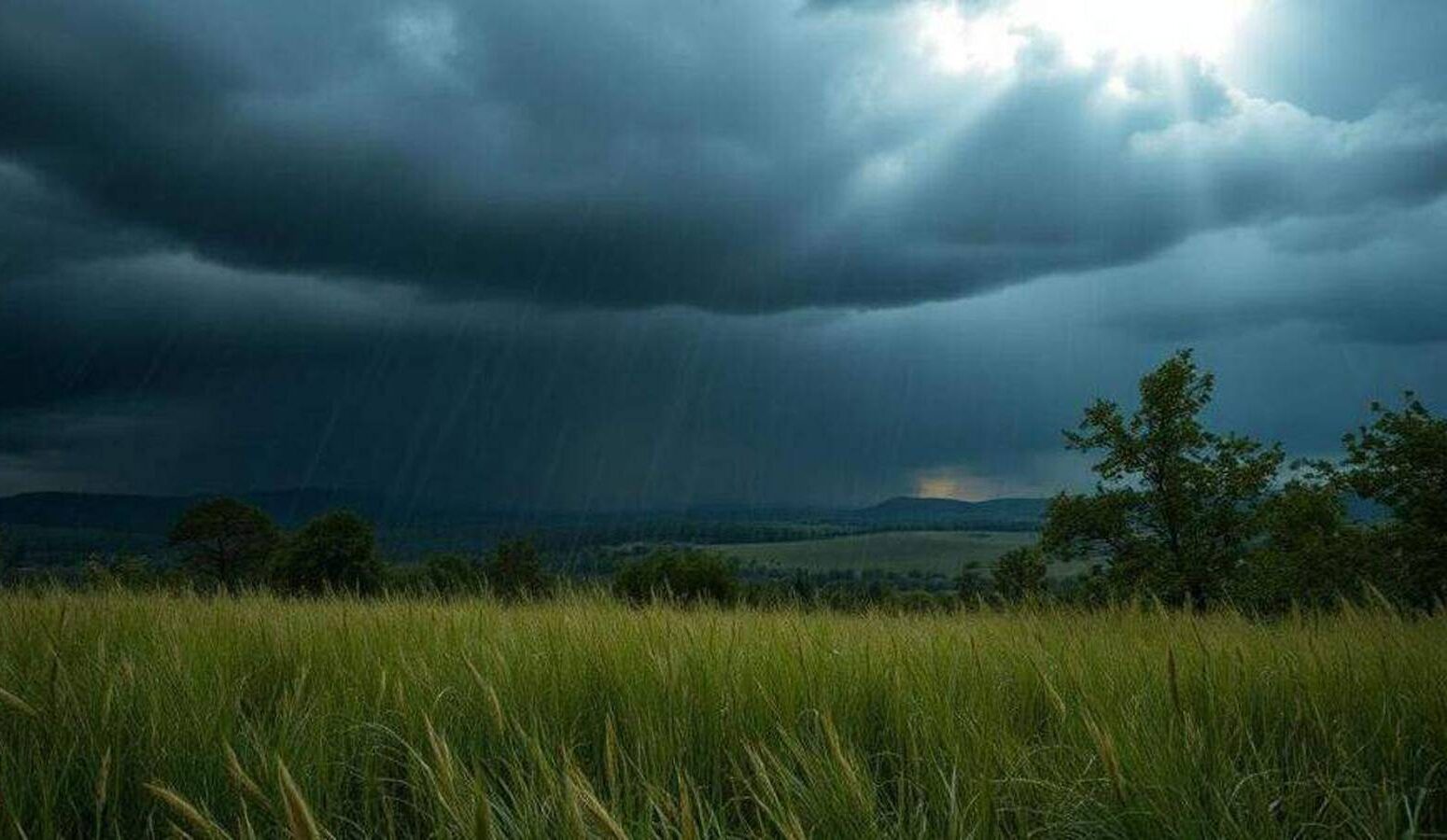
The morning of September 26, 2025, dawned with an ominous change for the residents of Arizona Valley. A powerful storm system swept across the region, bringing sheets of heavy rain, flashes of lightning, and a marked drop in temperature—an abrupt interruption to the late summer heat. This wasn’t just another rainy day. The National Weather Service (NWS) sounded the alarm early, issuing flash flood warnings and severe thunderstorm alerts for cities and counties across the Valley. Glendale, Peoria, Surprise, Phoenix, Mesa, Chandler, Sun Lakes, and Gold Canyon all found themselves under urgent advisories. The warnings were more than formalities; they were a call to action.
National Weather Service and Local Agencies Issue Urgent Warnings
By 10:22 am MST, NWS Phoenix extended a flash flood warning through 1:30 pm for key urban centers, highlighting a real risk of sudden runoff and dangerous flooding in low-lying neighborhoods. Meanwhile, NWS Flagstaff signaled severe thunderstorm warnings for Yavapai County, spanning communities from Congress and Peeples Valley to Yarnell and Walnut Grove, with advisories active into the late morning. The warnings for Wittmann and Beardsley, also in the path of the storm, remained in effect until 10:30 am MST. Later, Phoenix and neighboring cities braced for a flash flood warning lasting until 4 p.m., as reported by 12News.
These warnings stemmed from the observable impact: steady rain began early, drenching roads and straining drainage systems. Lightning illuminated the sky, and the once-familiar hum of morning traffic was replaced by the sound of water splashing onto asphalt.
Traffic Safety and Community Response Under Pressure
With the flood risk rising, the Arizona Department of Transportation (DOT) moved quickly to alert drivers. Their message was clear: check your windshield wipers, slow down, increase braking distance, and, above all, avoid driving through pooled water. Hydroplaning and stalled vehicles could turn a commute into an emergency. The DOT encouraged everyone to use the AZ511 app for real-time traffic and road condition updates, making crucial information available at a swipe on both Apple and Android devices.
Public safety agencies also reminded residents to stay away from low-lying areas and flood-prone streets. The advice was simple but serious: do not attempt to cross flooded roads, move to higher ground if needed, and monitor official updates. Across the Valley, social media feeds and emergency apps buzzed with reminders and status updates, as local authorities worked to keep the public informed. Economic Times reported that the shift in weather was dramatic, bringing both relief from lingering heat and a new set of challenges.
Weather Shift Brings Both Relief and Risk
This storm system was no isolated event. Meteorologists linked it to a broader regional weather pattern, signaling a transition to cooler temperatures, gusty winds, and sporadic rainfall. For many, the rain was welcome—a break from relentless sun and drought conditions that often grip Arizona. But with relief came risk: the Valley’s dry ground was ill-prepared for sudden downpours, making flash flooding a real danger. The National Weather Service cautioned that even brief, intense rainfall could overwhelm drainage systems, especially in urban environments where water pools quickly.
Residents were urged to take the warnings seriously. Flash floods can develop in minutes, transforming familiar roads and neighborhoods into hazardous zones. The message from officials echoed across news outlets and community channels: stay alert, follow emergency instructions, and prioritize safety over routine.
Community Stories: Living Through the Storm
By midday, stories began to emerge from across the Valley. Families in Glendale watched as water crept up their driveways, while commuters in Phoenix rerouted around flooded intersections. In Peoria, local businesses adjusted hours and braced for potential closures. Emergency responders were on standby, ready to assist those caught off guard by the rapidly changing conditions.
For some, the storm was a reminder of nature’s unpredictability—a powerful display of how quickly life can shift. For others, it was a test of community resilience. Neighbors checked on one another, shared updates, and offered help where needed. The sense of urgency was palpable, but so was the determination to weather the storm together.
Looking Ahead: Recovery and Preparedness
As the afternoon approached and warnings remained in effect, attention turned to recovery and preparedness. Arizona’s monsoon season has always demanded vigilance, but each storm offers lessons. Officials encouraged residents to review their emergency plans, ensure supplies were on hand, and stay connected with local news sources for ongoing updates.
For now, the Valley waits—watching the skies, listening for new alerts, and hoping the worst has passed. The experience underscores the importance of readiness, community cooperation, and respect for nature’s power. While the storm may bring temporary disruption, it also offers a chance to reinforce habits that keep families and neighborhoods safe.
Official information and updates continue to be available through the National Weather Service, Arizona DOT, and local news platforms such as 12News and Economic Times. Residents are encouraged to remain vigilant until all warnings have been lifted.
Assessment: This week’s storm and the resulting flash flood warnings are a stark reminder of the delicate balance between nature and urban life in Arizona. The region’s response—swift advisories, coordinated emergency services, and widespread public cooperation—reflects a community seasoned by experience, but never complacent. As climate shifts bring more frequent extremes, preparedness and real-time communication will remain the cornerstone of safety in the Valley.