
Quick Read
- Arsene Wenger initially wanted Mikel Arteta to lead Arsenal’s academy, but Arteta chose to join Manchester City’s coaching staff.
- Per Mertesacker was then appointed as academy manager and has played a pivotal role in developing new talent for Arsenal.
- Wenger’s philosophy prioritizes character, mentorship, and long-term planning in club management.
- Both Arteta and Mertesacker’s paths have reinforced Wenger’s legacy of empowering leaders within Arsenal.
Arsene Wenger: Architect of Arsenal’s Future
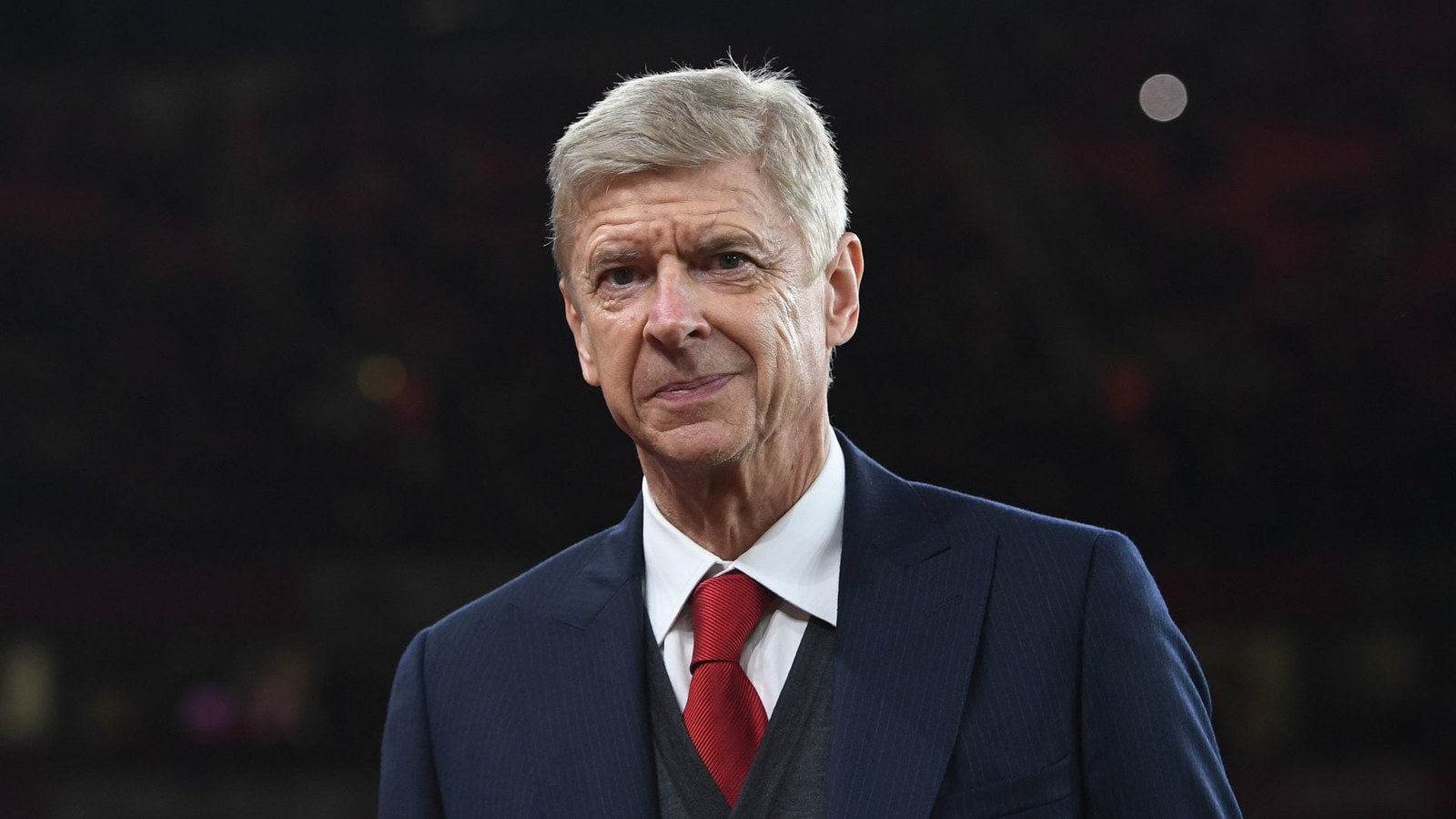
Few figures in modern football are as synonymous with vision and transformation as Arsene Wenger. During his two-decade tenure at Arsenal, Wenger not only revolutionized the club’s playing style and culture but also planted seeds for its future—particularly within the youth academy. His influence continues to echo through the corridors of London Colney, shaping the destinies of players and coaches alike. Yet, as recent revelations show, Wenger’s blueprint for the club’s future was not always executed precisely as he imagined.
The Academy Gamble: Arteta or Mertesacker?
After stepping down as Arsenal manager in 2018, Wenger left behind not just a legacy of trophies and unforgettable football, but also a critical decision for the club’s academy. According to Arsenal Insider, Wenger initially envisioned former midfielder Mikel Arteta as the ideal candidate to manage the Arsenal academy. Arteta, who joined Arsenal alongside Per Mertesacker on deadline day in 2011, had become a respected leader within the squad—one whose tactical intelligence and professionalism made him a natural mentor for the next generation.
However, life rarely follows a script. Arteta chose to depart Arsenal at the end of the 2015/16 season, heading to Manchester City to join Pep Guardiola’s coaching staff. This move, though disappointing for Wenger, proved pivotal for Arteta’s development as a manager. It was Arteta himself who suggested Mertesacker as his replacement. Mertesacker, fresh off his own retirement, accepted the offer three weeks later, stepping into the role that would define his post-playing career.
Per Mertesacker: The Unexpected Custodian
Mertesacker’s appointment was, to some, a surprise. The German defender, once considered a ‘panic buy,’ had become a stalwart on the pitch. Off it, he proved even more influential. Tasked with overseeing the entire youth setup, Mertesacker embraced Wenger’s philosophy: develop players not just for the first team, but for life. Under his stewardship, the academy has produced talents like Myles Lewis-Skelly, Ethan Nwaneri, and Max Dowman—players who embody both technical excellence and Arsenal’s values.
The transition wasn’t seamless, but Wenger’s willingness to trust in character and adaptability paid off. As Mertesacker told HaytersTV, “So, when Mikel left the club, I think Arsene wanted to keep him. But he had made a promise to Pep back then. I think Mikel said to Arsene: ‘Arsene, there is another one there!’ I said yes to him, and three weeks later, he offered me the academy manager job.”
Wenger’s initial plan may have faltered, but the outcome arguably served Arsenal better. Arteta gained invaluable experience under Guardiola, eventually returning to North London as first-team manager. Meanwhile, Mertesacker’s steady hand at the academy has helped maintain Arsenal’s reputation as one of England’s premier youth factories.
Wenger’s Legacy: More Than Just Silverware
Wenger’s impact extends far beyond the trophies and records. He fostered an environment where innovation and long-term planning took precedence over quick fixes. His readiness to entrust key roles to former players—those who understood the club’s ethos—was no accident. It was a reflection of his belief in continuity and education.
As highlighted by the BBC in the context of other football luminaries, Wenger stands among a select group of managers recognized for their recurring excellence—joining names like Sir Alex Ferguson and Sarina Wiegman as multiple-time recipients of major coaching awards. The respect he commands is rooted in his ability to see the bigger picture, to nurture not just players but future leaders.
Wenger’s methodology wasn’t about micromanagement. Instead, he empowered those around him to interpret his vision, adapt to changing circumstances, and keep the club’s core values alive. His support for Arteta and Mertesacker—despite setbacks—demonstrates a rare humility and trust in people. It’s a lesson that resonates in football and beyond: sometimes, the right answer comes from letting go and allowing others to grow.
Ripples Across the Arsenal Landscape
The effects of Wenger’s philosophy are visible in the club’s current trajectory. Arteta’s managerial style, shaped by his experiences under both Wenger and Guardiola, has brought renewed discipline and tactical clarity to Arsenal’s first team. Mertesacker’s work at the academy ensures a steady pipeline of talent, ready to step up when called upon.
The intertwining stories of Arteta and Mertesacker are emblematic of Wenger’s legacy—one that values adaptability, mentorship, and a holistic approach to development. While the Frenchman may not have orchestrated every detail of Arsenal’s present, his fingerprints are everywhere: in the resilience of the squad, the intelligence of its coaching staff, and the promise of its youth system.
Wenger’s journey reminds us that leadership is as much about preparing others for success as it is about claiming it for oneself. The academy’s evolution, the rise of Arteta, and the stewardship of Mertesacker all trace back to one man’s vision—and his willingness to trust in the future.
Arsene Wenger’s legacy at Arsenal is not just measured in silverware, but in the culture of trust, innovation, and mentorship he embedded into the club’s foundations. By empowering Arteta and Mertesacker, even when plans changed, he ensured that Arsenal’s future would be built on strength and character, not just results. The true mark of his greatness lies in the leaders who follow in his footsteps—and the enduring spirit of the academy he helped shape.
Sources: Arsenal Insider, BBC Sport