
Quick Read
- Artemis II successfully entered the moon’s sphere of influence on April 6, 2026, marking the first time humans have done so since 1972.
- A new real-time public tracker allows global audiences to monitor Orion’s telemetry and distance from Earth throughout the 10-day flight.
- The crew is currently conducting extensive lunar observations and testing manual piloting systems during the high-stakes flyby phase.
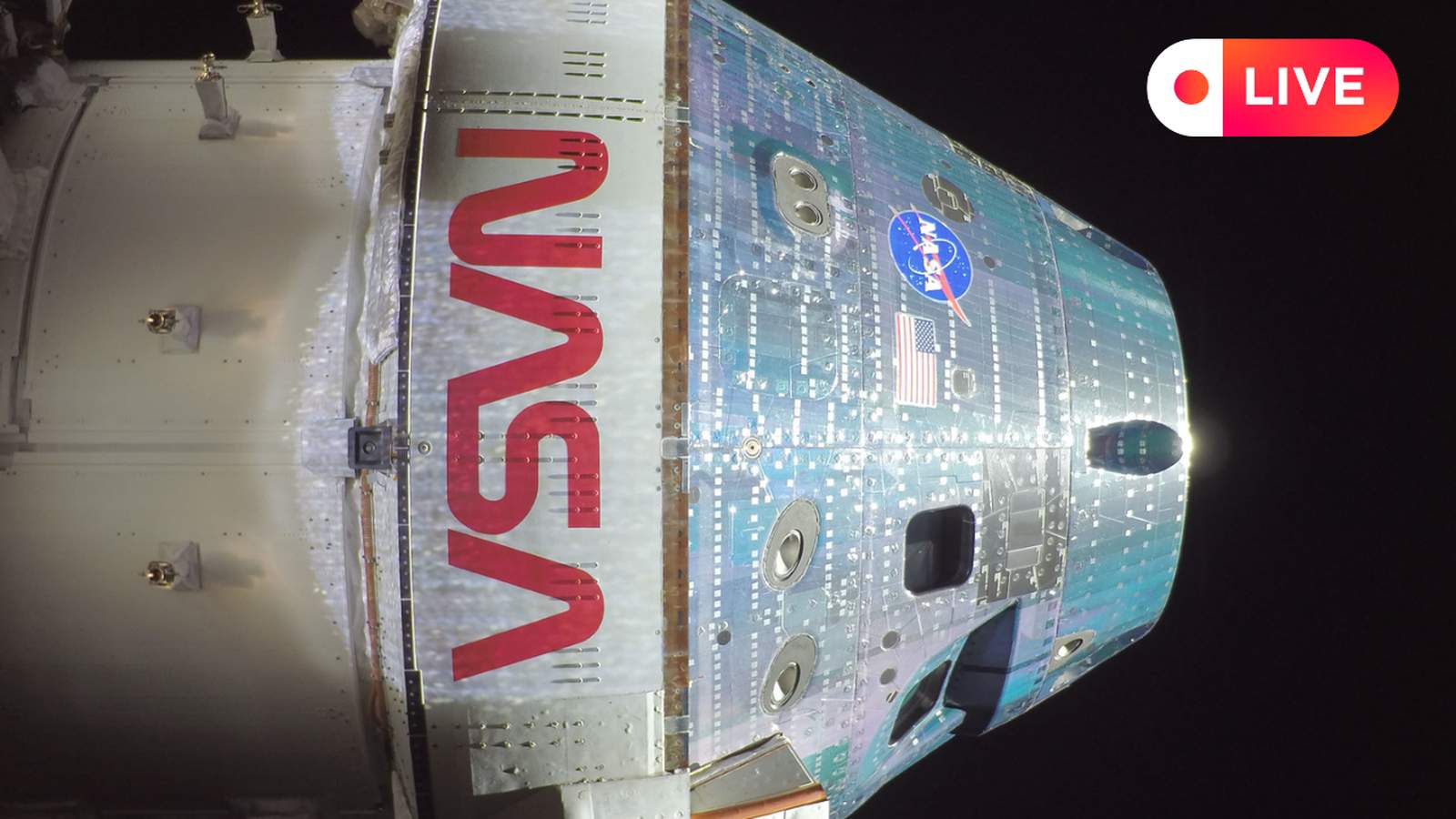
HOUSTON (Azat TV) – NASA’s Artemis II crew reached a critical threshold in their 10-day lunar mission on April 6, 2026, entering the moon’s sphere of influence for the first time since the Apollo era. As the Orion spacecraft navigates the far side of the moon, the mission has entered its most high-stakes phase, with public engagement hitting record levels via new real-time tracking interfaces.
Real-Time Tracking of the Orion Spacecraft
The mission, which launched on April 1, passed the two-thirds distance mark on April 5, transitioning from a Earth-bound trajectory to a lunar-captured orbit. For the first time, NASA has provided a granular, public-facing digital tracker that allows global audiences to monitor Orion’s telemetry, distance from Earth, and velocity. This transparency is intended to maintain momentum for the broader Artemis program as it prepares for future lunar surface landings scheduled for 2028.
Navigating the Lunar Flyby and Dark Side
During the current flyby, the four-person crew—consisting of Reid Wiseman, Victor Glover, Christina Koch, and Jeremy Hansen—is executing a complex series of lunar observations. According to Space.com, the spacecraft’s proximity to the lunar surface provides an unprecedented opportunity to document surface topography. The crew has successfully managed several technical hurdles, including a minor wastewater vent blockage and an intermittent scent report from the spacecraft’s waste management system, both of which were addressed by Mission Control to ensure the continued safety of the astronauts.
Operational Stakes and Human Performance
The flyby requires the crew to operate with high precision while experiencing the psychological and technical isolation of the moon’s far side. The mission serves as a vital stress test for the Orion Crew Survival Suit and the spacecraft’s manual piloting capabilities. With the loss of direct communication during the dark-side transit, the crew is relying on rigorous training to execute 35 distinct scientific targets, a workload that NASA officials have described as “jam-packed” but manageable due to the high level of coordination between the crew and ground teams.
The successful navigation of the lunar flyby represents more than a test of hardware; it is a critical validation of the human-machine interface in deep space that will dictate the feasibility of long-duration missions in the coming decade.