
Quick Read
- Aruba Tourism Authority (ATA) is strengthening partnerships with Canadian airlines and agencies to boost tourism from Canada.
- Direct flights from major Canadian cities are expanding, making Aruba more accessible.
- Sustainability is a core focus, with resorts adopting eco-friendly practices and conservation efforts.
- Aruba’s cultural festivals and diverse activities attract a wide range of visitors.
- High-profile photo shoots, such as Alexis Ren’s SI Swimsuit feature, have amplified Aruba’s global image.
Aruba and Canada: A Partnership Set to Transform Tourism
In 2025, Aruba stands at a crossroads of opportunity. The Aruba Tourism Authority (ATA) has doubled down on its commitment to Canadian travellers, unveiling a multi-pronged strategy to transform the island into the ultimate getaway for visitors from the north. This is not merely about filling hotel rooms—it’s about forging connections, stimulating economies, and shaping the future of Caribbean tourism.
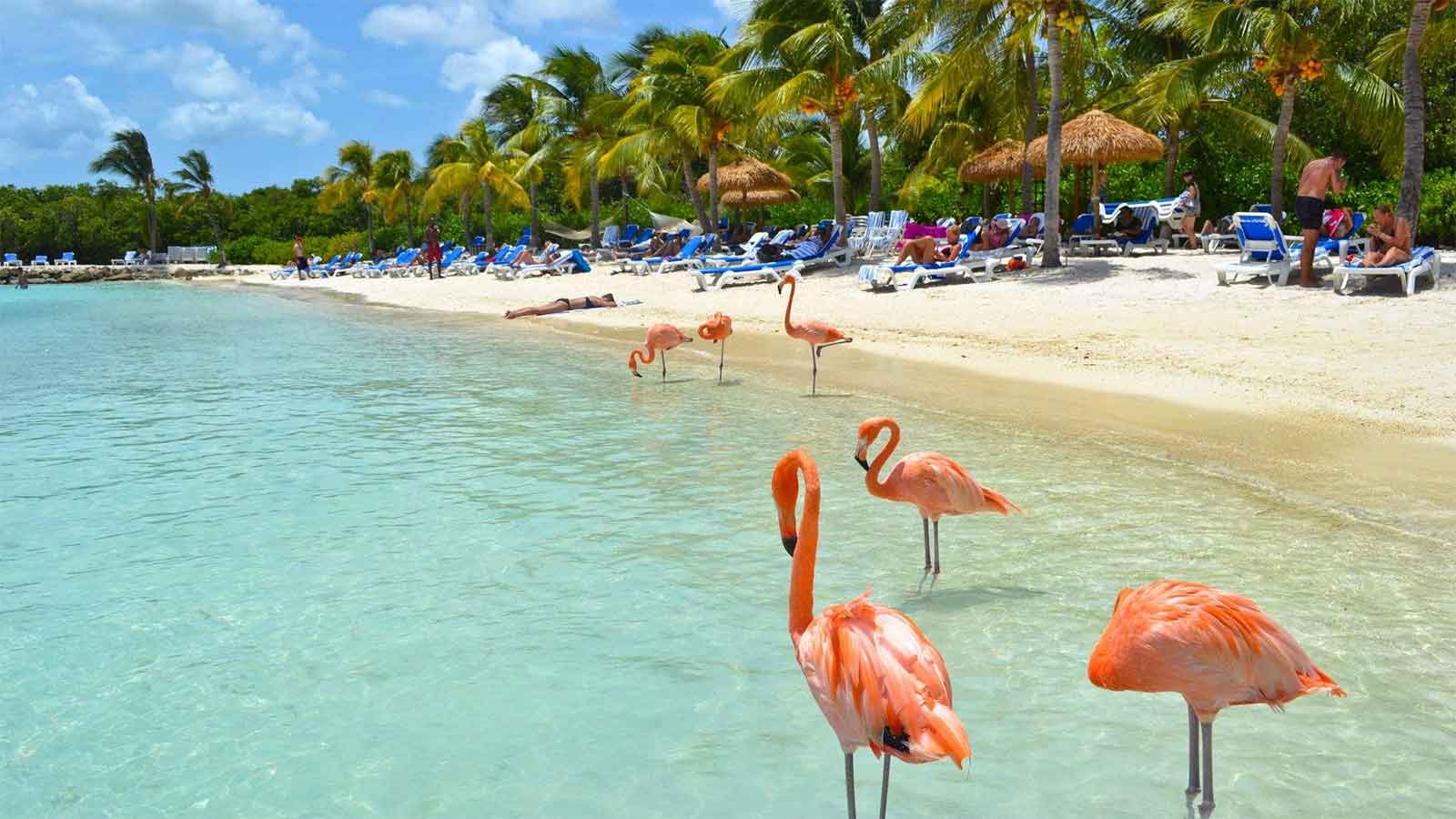
What’s driving this surge? First, Aruba’s geography is a gift. Nestled in the southern Caribbean, just north of Venezuela, the island offers postcard-perfect beaches, crystal-clear waters, and a climate that rarely disappoints. Canadians, hungry for warmth and adventure, are increasingly looking to Aruba for their escapes. Direct flights from Toronto, Montreal, and Vancouver mean that paradise is just a few hours away, thanks to collaborations with airlines like Air Canada, WestJet, and Sunwing (Travel and Tour World).
The ATA’s strategy is as much about accessibility as it is about allure. By expanding airport capacity, improving local transportation, and tailoring services to international visitors, Aruba is making it easier—and more enticing—than ever for Canadians to arrive and stay. The plan is ambitious: a marked increase in Canadian tourism by the end of 2025, supported by enhanced flight options, upgraded infrastructure, and a wave of new promotions.
Beyond the Beach: Aruba’s Cultural and Sustainable Edge
But what happens once travellers arrive? Aruba’s tourism push is not just about sand and sea. The island is actively marketing its rich cultural tapestry, hosting festivals like the Aruba Carnival, the Soul Beach Music Festival, and the International Film Festival. These events offer visitors more than just a break from winter—they’re invitations to experience the heartbeat of the island, from its vibrant music scene to its storied history.
Aruba’s hospitality sector is also evolving. Luxury resorts, family-friendly hotels, and world-class restaurants cater to a diverse array of interests. But perhaps most notable is the island’s commitment to sustainability. In a world where eco-friendly travel is no longer a niche concern, Aruba is positioning itself as a leader. Resorts are embracing green technologies, conservation efforts are protecting the delicate coral reefs, and sustainable tourism programs are woven into the fabric of the island’s strategy. This isn’t just window dressing—it’s a real effort to ensure that Aruba’s natural wonders endure for future generations (Travel and Tour World).
Iconic Imagery: Aruba Through the Lens
If Aruba’s beaches are its calling card, its image is amplified by the global attention it receives from high-profile photo shoots and media features. In recent years, Aruba has become the backdrop for some of the most memorable moments in fashion and travel media. Take, for example, model and content creator Alexis Ren, whose dazzling metallic swimwear shoot for Sports Illustrated Swimsuit was captured on the island’s sands in 2018. Ren’s shoot, orchestrated by photographer Yu Tsai, showcased not just her modeling prowess but also the ethereal beauty of Aruba—sun-drenched, radiant, and undeniably captivating.
Ren herself described the experience as a dream realized, emphasizing the empowering energy that Aruba seemed to channel. “Sports Illustrated Swimsuit features empowering females flaunting what the universe gifted us. Female energy is something this world needs more of,” she told Elite Daily. Her shoot was about more than fashion; it was about celebrating strength, love, and the elemental power of the setting itself. The resulting images—metallic swimsuits gleaming under the Aruban sun, the model poised against stretches of white sand—helped cement Aruba’s reputation as a destination that is as aspirational as it is accessible (SI Swimsuit).
But it isn’t just celebrities who are capturing the island’s magic. Everyday travelers are contributing their own perspectives, sharing snapshots of their experiences with the world. The Caribbean Journal recently featured a reader’s photograph of a swing suspended above the water in Aruba—a simple, joyful image that encapsulates the island’s promise of paradise. These grassroots contributions, amplified through social media and travel platforms, help to keep Aruba’s allure fresh and relatable.
Economic Impact and Looking Ahead
As Canadian tourist numbers climb, the ripple effects are being felt across Aruba’s economy. Tourism is the island’s lifeblood, supporting jobs in hospitality, retail, and transportation. Local businesses—from hotels and restaurants to tour operators and shops—stand to benefit from the influx of visitors. The economic boost is significant: more bookings, increased spending, and new opportunities for entrepreneurship and employment.
This growth, however, is not without its challenges. Aruba’s leaders are acutely aware of the need to balance expansion with sustainability. Infrastructure improvements are ongoing, and there is a concerted effort to ensure that the island’s resources are managed responsibly. The ATA’s collaborations with Canadian media outlets, digital influencers, and travel bloggers are designed to keep Aruba top-of-mind for Canadian travellers, but also to communicate the island’s commitment to quality and authenticity.
Looking ahead, Aruba’s vision is clear: to be not just a destination, but a story. It’s a place where cultures meet, where travelers find both relaxation and inspiration, and where the pursuit of paradise is matched by a commitment to preservation. As the island continues to welcome more Canadians—and, indeed, more visitors from around the globe—it is determined to remain true to its identity: vibrant, diverse, and endlessly inviting.
Aruba’s current momentum is a testament to what happens when strategic partnerships, visionary leadership, and authentic storytelling converge. By nurturing its ties with Canada, investing in sustainability, and embracing its role as both muse and host, Aruba is shaping a future where tourism is not just a transaction, but a transformative experience—for visitors and locals alike.