
Quick Read
- Australia’s Labor government separated gun control laws from hate speech reforms.
- A racial vilification offense was dropped from the proposed hate speech bill due to lack of parliamentary support.
- The Greens opposed hate speech provisions citing civil liberties and free speech concerns.
- The Coalition also rejected the original omnibus bill, calling it ‘unsalvageable’.
- Remaining reforms target hate groups, visa restrictions for extremists, and stricter gun import controls.
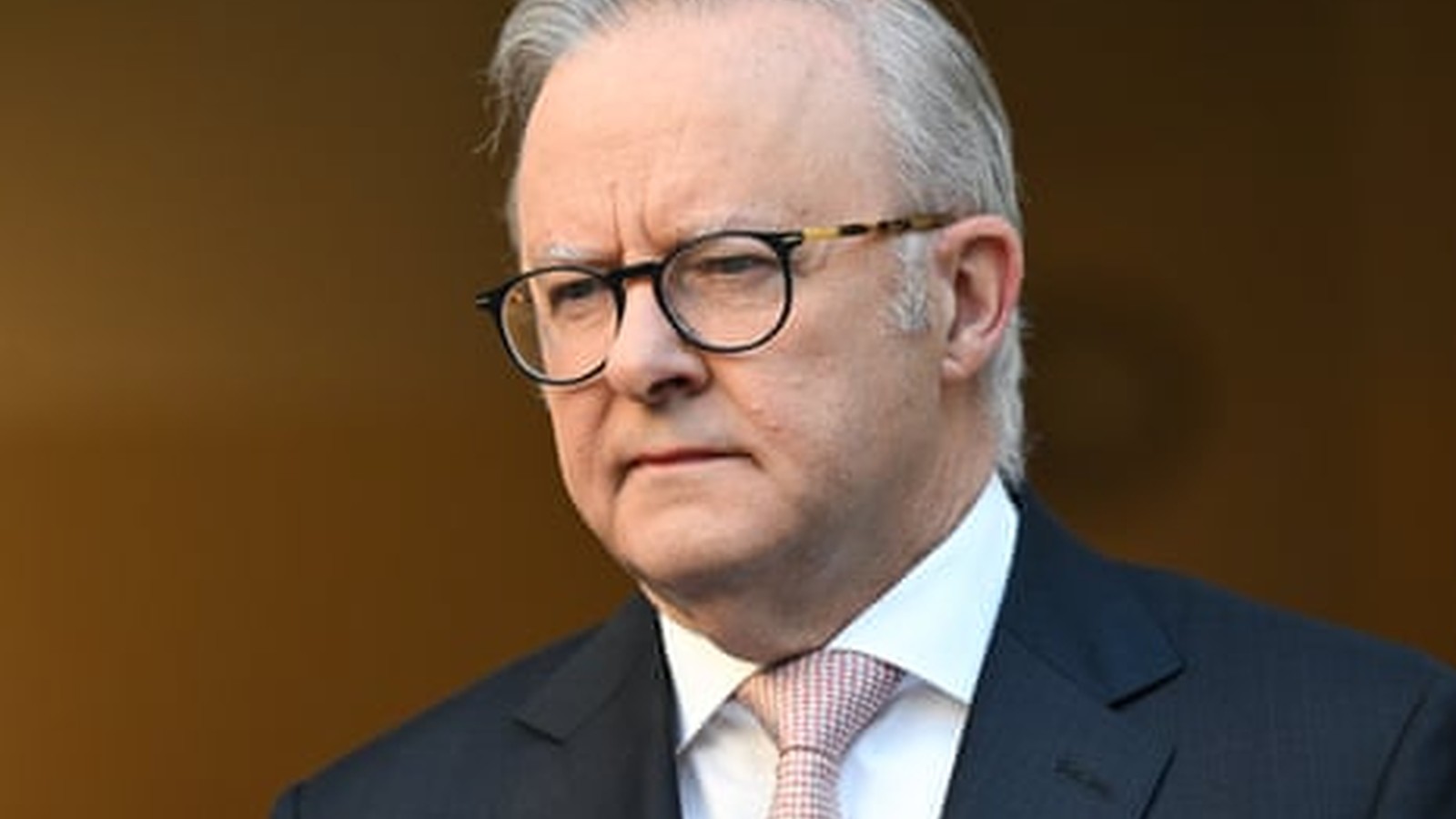
In a significant legislative pivot, the Australian Labor government has announced it will separate its comprehensive hate speech reforms from new gun control measures, simultaneously dropping a controversial racial vilification offense from the proposed legislation. Prime Minister Anthony Albanese confirmed the changes, driven by fierce opposition from both the Greens and the Coalition, in an effort to expedite parliamentary approval for critical security laws in the wake of recent terror attacks.
The original omnibus bill, drafted following the tragic Bondi terror attack and the 14 December assault on a Jewish Hanukkah celebration in Sydney, aimed to crack down on hate speech and strengthen firearm controls. However, the sweeping nature of the legislation quickly drew criticism, stalling its passage through parliament where Labor does not hold a majority in the Senate. The government’s decision to unbundle the bill and remove the racial vilification clause reflects a pragmatic shift to salvage key elements of its security agenda.
Political Impasse Forces Government’s Hand
The Albanese government found itself in a legislative bind, needing the support of either the Greens or the Coalition to pass its reforms through the upper house. However, both opposition parties voiced strong objections to the initial bill. The Greens, while supportive of stricter gun laws, outright rejected the hate speech provisions, citing profound concerns over civil liberties and freedom of speech. Greens leader Larissa Waters emphasized the need for ‘a huge amount of work’ on the complex legislation, warning of ‘massive pitfalls and omissions’ and calling for a fresh start to protect everyone from hatred and discrimination, not just specific groups, as reported by ABC News.
Similarly, the Coalition deemed the omnibus bill ‘unsalvageable.’ Opposition leader Sussan Ley criticized the government for attempting to push through what she called an ‘un-splittable bill,’ making wholesale changes without adequate consultation or parliamentary committee scrutiny. Ley’s spokesperson highlighted that the government’s timeline had curtailed community voices and now ignored the inquiry altogether, despite over 7,000 submissions being rushed to meet an arbitrary deadline. Prime Minister Albanese, however, countered that the Coalition was ‘so obsessed with opposing things, they’ve now started opposing themselves,’ given that some elements of the bill aligned with their earlier calls for action, as noted by The Guardian.
Racial Vilification Clause Dropped Amidst Debate
The most contentious element of the hate speech reforms was the proposed racial vilification clause. This provision sought to criminalize the public promotion or incitement of hatred where such conduct would cause a reasonable person to feel intimidated, harassed, or fear violence. It included a narrow defense for quoting religious texts for teaching or discussion purposes.
The clause sparked significant debate, with Coalition members divided on whether it infringed upon freedom of speech principles. The Greens argued it was too narrow and needed to be broadened to encompass all minority groups, not just specific ones. Legal experts and faith groups also raised concerns about its potential overreach and impact on civil liberties. Senator David Shoebridge, speaking for the Greens, stated that when legislation ‘protects only one religion, that is designed to put critics in jail, and that has not been consulted with the broader community, there is only one word to describe that, and that is divisive.’
Prime Minister Albanese described the now-dropped clause as ‘sensible’ and without ‘overreach,’ expressing regret that its removal could jeopardize plans to combat growing antisemitism in Australia. He challenged opponents to justify why such a measure could not proceed, asserting that it was ‘there for a reason.’
Remaining Hate Speech Reforms Target Extremism
Despite the removal of the racial vilification provision, significant elements of the hate speech reforms remain on the table. These include creating new aggravating factors in existing hate speech laws, allowing for harsher penalties for crimes motivated by hatred. The government also intends to establish a regime for designating organizations that espouse hatred, such as neo-Nazi groups and the Islamic organization Hizb ut-Tahrir, effectively granting powers to ban them.
Furthermore, officials will receive enhanced powers to cancel or refuse visas for individuals deemed likely to spread hate and division within Australia. Customs laws are also slated for amendment to prohibit the import and export of violent extremism and prohibited hate material, or goods containing them. These measures reflect a continued commitment to confronting extremist ideologies and their propagation, particularly online.
Strengthening Australia’s Already Strict Gun Controls
The separation of the gun control laws from the hate speech reforms ensures that these critical measures can proceed with broader parliamentary support, particularly from the Greens. Australia’s gun laws are already among the strictest globally, and the proposed changes aim to tighten them further.
The reforms include restricting the importation of firearms exclusively to Australian citizens, strengthening police certification tests by removing open-ended import permissions, and incorporating comprehensive security assessments from intelligence agencies like ASIO and criminal intelligence assessments from ASIC into background checks for individuals seeking gun licenses. Other controls will mandate Commonwealth approval for handguns, repeating straight-pull rifles, and shotguns before importation, and classify gel-ball blasters as firearms. Labor has also committed to establishing a federally funded national gun buyback scheme, a direct response to the recent terror attacks and a measure designed to reduce the number of firearms in circulation.
A Path Forward for National Security
Parliament is now scheduled to debate the separated bills, with the government hoping to secure passage for both the refined hate speech legislation and the enhanced gun control measures. Prime Minister Albanese has explicitly called on the Coalition to set aside ‘the politics’ and support what is in the national interest, arguing that their demands for splitting the bill and removing the racial vilification provision have been met. The urgency of these reforms, underscored by recent acts of violence, places considerable pressure on all parties to find common ground.
Ultimately, the Albanese government’s decision represents a calculated political maneuver, sacrificing the most contentious aspect of its hate speech agenda to ensure the passage of other critical security reforms. While the removal of the racial vilification clause may be viewed as a retreat from a comprehensive stance against hatred, it highlights the complex interplay between legislative ambition, civil liberties, and the practicalities of navigating a divided parliament. The outcome is a more focused, albeit less sweeping, approach to combating extremism and enhancing public safety, reflecting a pragmatic compromise born out of political necessity.