
Quick Read
- Australia’s jobless rate dropped to 4.1% in December, a seven-month low.
- Markets now price in a 53% chance of an RBA interest rate hike in February.
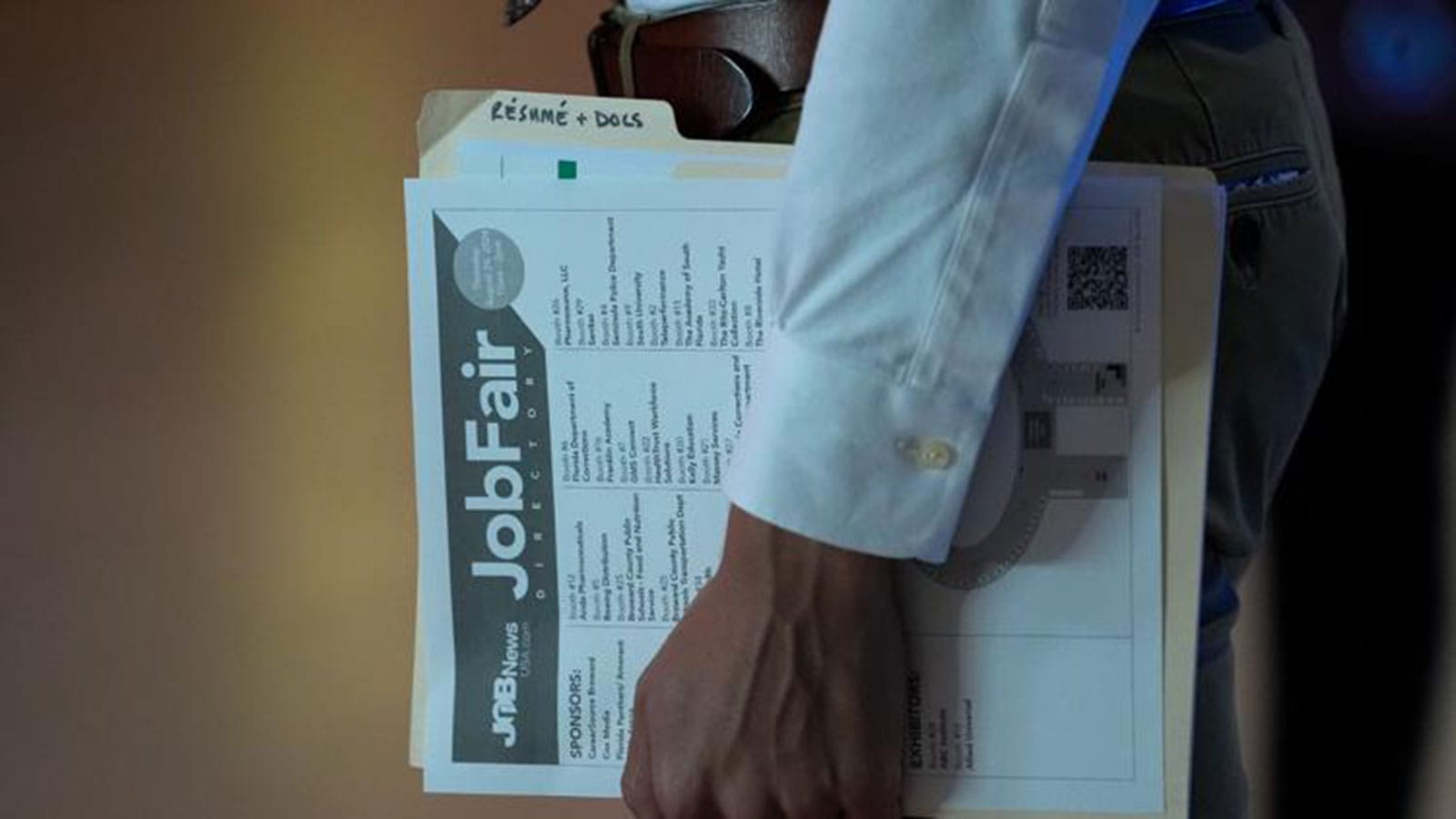
Australia’s labor market has delivered a surprising twist, with the jobless rate sliding to 4.1% in December 2025—the lowest in seven months. This unexpected drop, coupled with a surge in employment figures, has set the stage for heightened speculation about a potential interest rate hike by the Reserve Bank of Australia (RBA) as soon as next month.
A Labor Market Defying Expectations
Analysts had predicted a rise in the unemployment rate to 4.4%, aligning with the central bank’s earlier forecasts. Instead, the Australian Bureau of Statistics revealed that the jobless rate defied those expectations, falling from 4.3% in November to 4.1%. Not only that, but net employment also surged by an impressive 65,200 jobs in December, far exceeding the anticipated 30,000. This sharp rebound followed a revised drop of 28,700 jobs in November.
Full-time positions saw a particularly strong boost, with 54,800 new roles created during the month. The participation rate—an indicator of how many people are actively engaged in the labor force—ticked up slightly to 66.7%, while the total hours worked across the economy hit a record high of over 2 billion hours, reflecting robust activity during the festive season. This was partly driven by younger workers, aged 15-24, joining the workforce in higher numbers.
However, it wasn’t all good news. Annual job growth slowed to just 1.1% in December, compared to 3.5% at the start of 2025. This deceleration underscores the challenges ahead for sustaining the momentum in the labor market.
Economic Resilience Fuels Rate Hike Speculation
With these strong labor market figures, the Australian economy appears to be holding up better than expected. Consumer spending remains robust, and house prices are still near record highs. Together, these factors are raising questions about whether the RBA’s monetary policy is restrictive enough to keep inflation in check.
After three interest rate cuts last year brought the cash rate down to 3.6%, the central bank had hoped to strike a balance between supporting growth and curbing inflation. But recent data suggests that inflationary pressures may still be running high, and some analysts believe the RBA will need to act sooner rather than later.
Markets are now pricing in a 53% chance of a rate hike at the RBA’s February 3 meeting, up from just 29% before the latest jobs data was released. The Australian dollar has also reacted strongly, climbing 0.4% to reach a 15-month peak of $0.6791. Meanwhile, three-year government bond yields have risen to a 14-month high of 4.227%.
Inflation Data Holds the Key
While the labor market figures have certainly shifted the narrative, the ultimate decision on whether to raise rates will likely hinge on upcoming inflation data. Fourth-quarter inflation numbers, due next Wednesday, will be closely scrutinized by policymakers and investors alike.
Harry Murphy Cruise, head of economic research at Oxford Economics Australia, highlighted the importance of trimmed mean inflation—a measure that strips out volatile price changes. “The magic number for trimmed mean inflation is 3.2%. Anything above that will warrant a hike when the RBA board next meets in early February,” Cruise explained. “Anything at or below should be enough for the board to hold rates steady—at least until the next meeting.”
Two of Australia’s largest banks, the Commonwealth Bank of Australia and the National Australia Bank, have already called for a February rate hike, citing the economy’s apparent resilience and the risk of inflation remaining stubbornly high.
Balancing Growth and Inflation
The RBA faces a delicate balancing act as it considers its next move. While a rate hike could help rein in inflation, it also risks dampening consumer spending and slowing the broader economy. On the other hand, keeping rates steady could allow inflationary pressures to build, making it harder to achieve long-term price stability.
For everyday Australians, the stakes are high. Rising interest rates would likely mean higher mortgage repayments and borrowing costs, adding to the financial pressures many households are already facing. At the same time, a strong labor market and robust economic activity offer a glimmer of hope that the economy can weather the storm.
As the Reserve Bank of Australia prepares to make its next policy decision, all eyes will be on the upcoming inflation data. Will the central bank take a cautious approach and wait for more clarity, or will it seize the moment to tighten monetary policy? Either way, the coming weeks are set to be pivotal for Australia’s economic trajectory.