


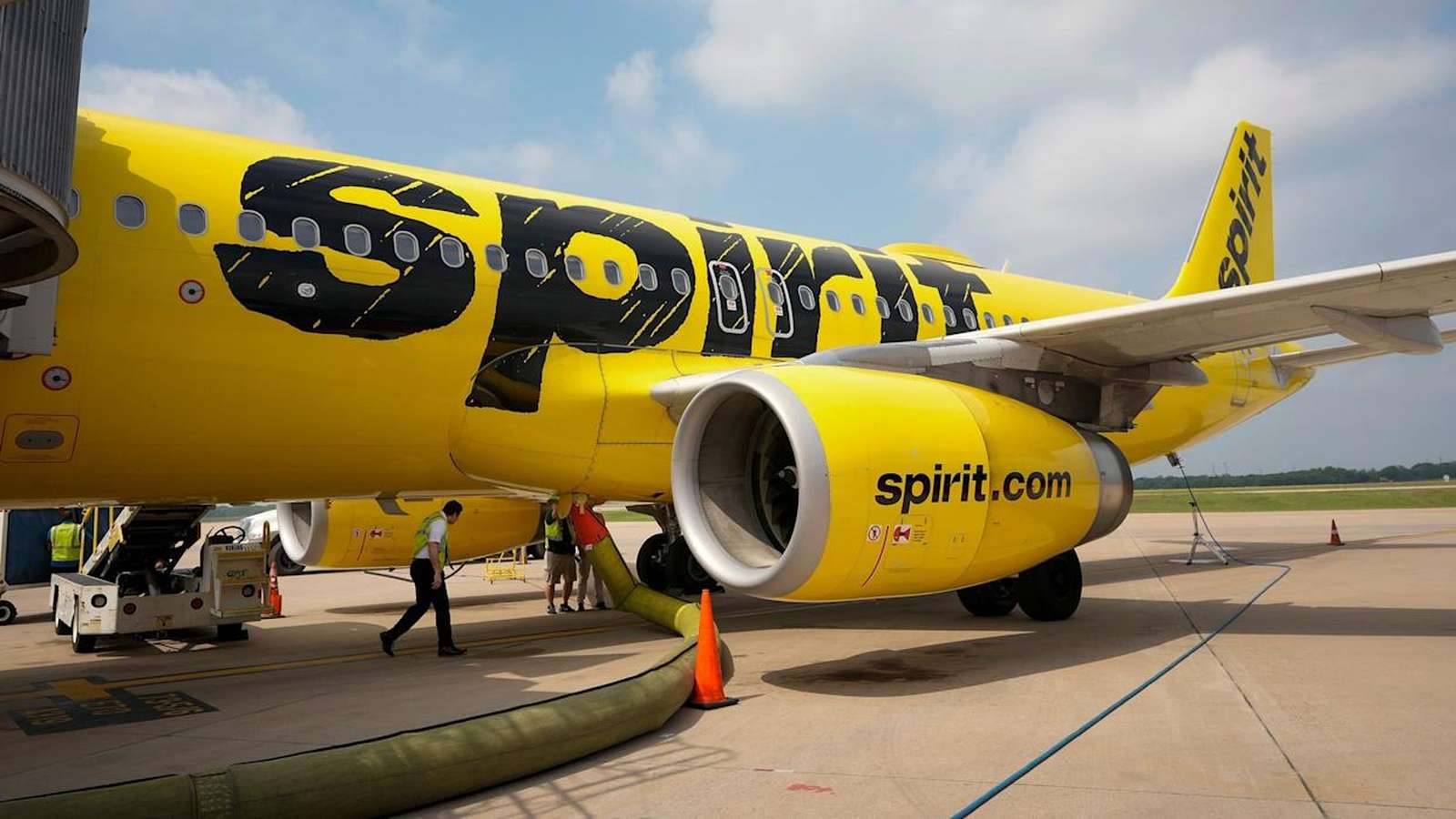
Transportation Secretary Sean Duffy projected an optimistic outlook Sunday, suggesting that the United States will see immediate relief in fuel prices once the Strait of Hormuz reopens. The waterway, currently a central point of geopolitical tension, has seen its effective closure drive fuel costs to historic highs, with average gas prices surging approximately $1.50 per gallon since the onset of the conflict on February 28.
Aviation Industry Impact and the Collapse of Spirit Airlines
The economic shockwaves of these energy costs have hit the airline industry with particular severity. Spirit Airlines, a major budget carrier, ceased all operations early Saturday morning. In a statement, Spirit President and CEO Dave Davis confirmed that the sudden and sustained rise in fuel prices left the company with no alternative but to liquidate. Secretary Duffy attributed the collapse to long-standing financial struggles, while simultaneously criticizing the previous administration for its role in blocking a proposed merger between Spirit and JetBlue.
Global Carriers Adjust to Rising Operational Expenses
The crisis is not limited to U.S. domestic carriers. Air India has announced plans to scale back up to 100 flights daily through July, specifically targeting its North American network. According to reports by The Economic Times, the airline is struggling with the increased fuel burn and crew hours associated with rerouting ultra-long-haul flights. The reduction represents a broader industry trend where carriers are prioritizing financial sustainability over expansion as geopolitical disruptions force unpredictable scheduling.
Traveler Disruptions and Industry Response
As airlines grapple with these costs, passengers are increasingly seeing the impact through reduced capacity, longer layovers, and higher fare structures. Major carriers including Delta and Alaska Airlines have taken steps to assist stranded passengers following the Spirit liquidation. Alaska Airlines noted that it is providing reciprocal travel accommodations, while the Department of Transportation is coordinating with other airlines to help displaced Spirit employees find new employment opportunities within the sector.
The confluence of the Strait of Hormuz closure and the subsequent collapse of budget carriers signals a structural shift in aviation economics, where the margin for error has vanished, forcing airlines to sacrifice network breadth to maintain solvency in a high-cost environment.