
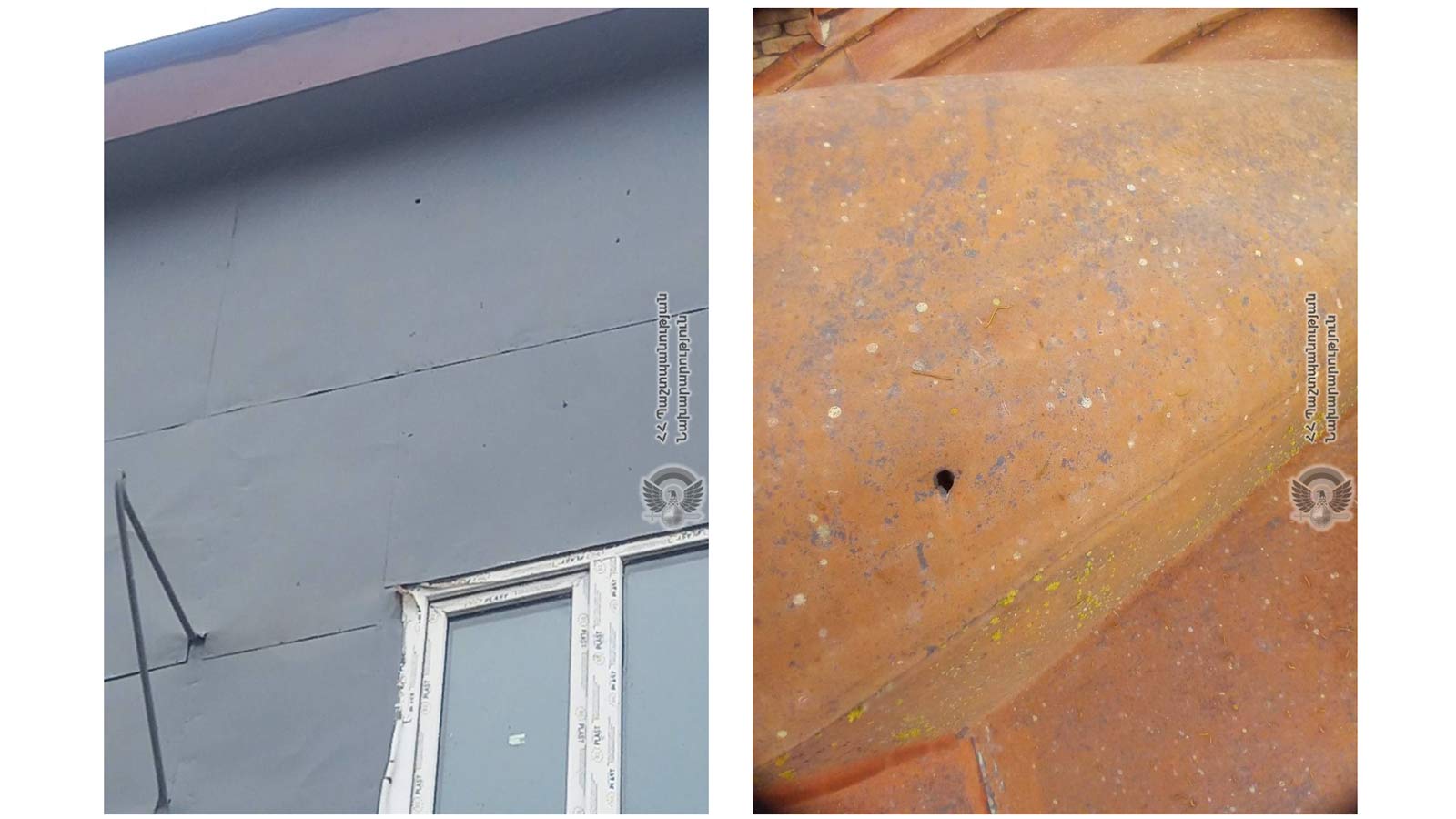
- Azerbaijani forces fired towards Khnatsakh village, Syunik region, on April 13, 2025.
- The shelling damaged the village’s House of Culture.
- No casualties were reported in the incident.
- Armenia has called on Azerbaijan to investigate the firing.
- Armenia reiterates its proposal for a joint ceasefire violation investigation mechanism.
Details of the Firing Incident
According to reports, the incident occurred around 22:20 local time on Sunday, April 13, 2025. Azerbaijani armed units targeted the village of Khnatsakh, located in the Syunik province of Armenia. The firing resulted in damage to the House of Culture in the village, a community building often used for cultural events and gatherings.
No Casualties Reported
Fortunately, initial reports indicate that there were no casualties as a result of the Azerbaijani firing. While the damage to the House of Culture is concerning, the absence of injuries is a relief.
Armenia Calls for Investigation and Explanation
In response to the incident, the Armenian side has strongly condemned the actions of the Azerbaijani armed forces. An official statement has been released calling on Azerbaijan to thoroughly investigate the shelling of the Khnatsakh House of Culture and to provide public clarifications regarding the incident.
Armenia Renews Proposal for Joint Investigation Mechanism
The Armenian government has also taken this opportunity to remind the international community and Azerbaijan of its standing proposal to establish a joint Armenia-Azerbaijan mechanism for investigating cases of ceasefire violations and related information. This proposal, aimed at fostering transparency and accountability along the border, has yet to receive a response from Azerbaijan.
Context of Border Tensions
This latest incident adds to the ongoing tensions along the Armenia-Azerbaijan border. While a ceasefire is officially in place, sporadic violations continue to occur, raising concerns about regional stability and the prospects for a lasting peace. The damaged House of Culture in Khnatsakh serves as a stark reminder of the human impact of these border incidents on civilian populations.