
Quick Read
- Azerbaijan summoned Belgian and Dutch ambassadors to protest parliamentary resolutions.
- The resolutions demand the release of Armenian POWs and the protection of displaced Karabakh residents.
- Baku claims the motions violate its sovereignty and reflect anti-Azerbaijani bias.
Diplomatic Friction Over Parliamentary Autonomy
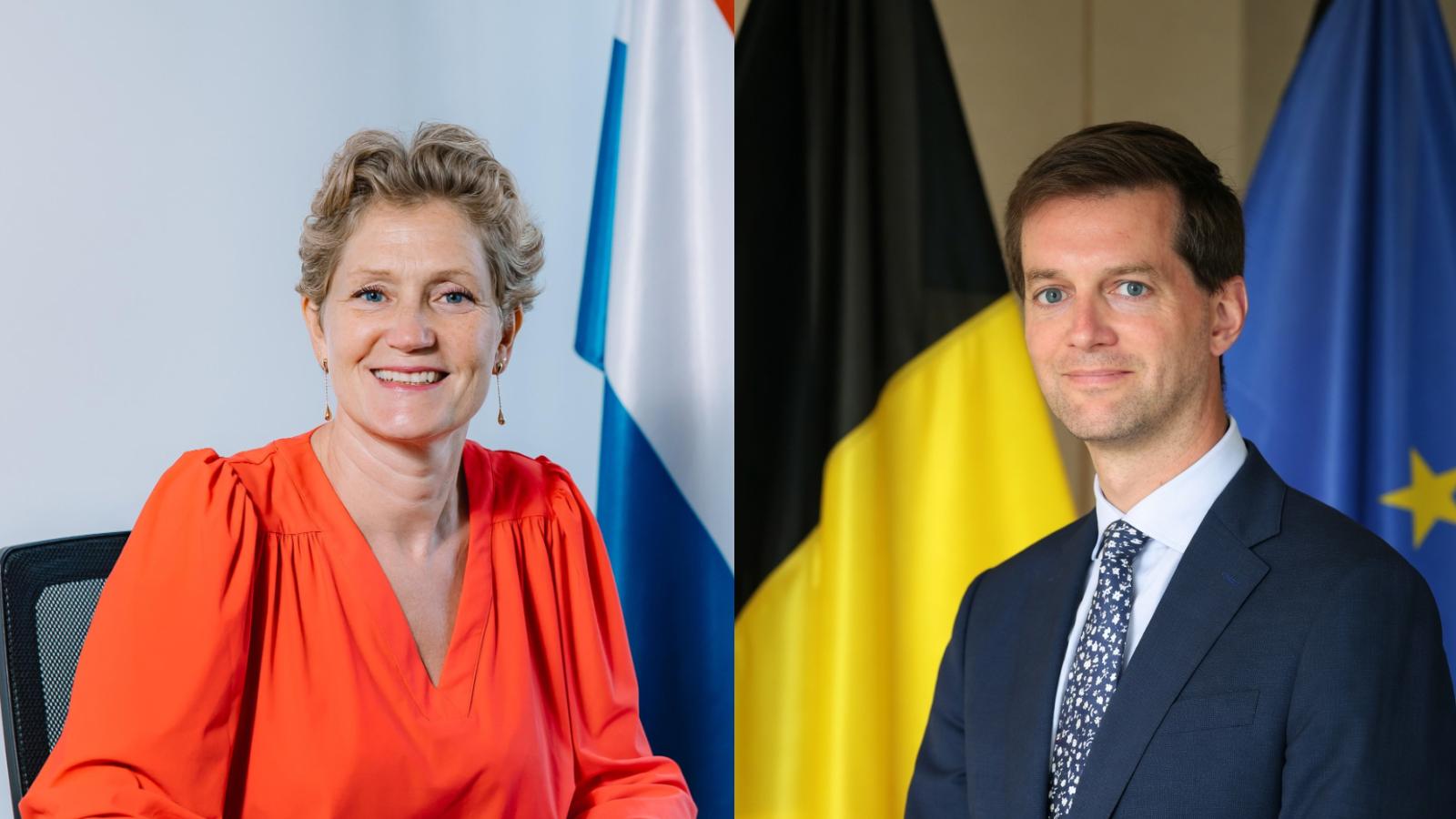
The Azerbaijani Ministry of Foreign Affairs summoned the ambassadors of Belgium and the Netherlands, Julien de Fraipont and Maria van der Jong, in a coordinated move to protest recent legislative actions taken by their respective national parliaments. The confrontation centers on resolutions passed on April 16, 2026, which Baku has characterized as an “irresponsible attempt” to undermine its sovereignty and territorial integrity.
Content of the European Resolutions
The diplomatic friction follows a series of parliamentary motions that prioritize human rights and humanitarian concerns. In the Netherlands, the House of Representatives adopted motions introduced by MP Don Ceder, specifically calling for the release of Armenian prisoners of war and the formal recognition of the Armenian Genocide. Simultaneously, the Belgian Chamber of Representatives passed a resolution championed by MP Michel de Maegd, which demands the establishment of international monitoring mechanisms for the return of Karabakh residents, the withdrawal of Azerbaijani forces from positions held as of May 12, 2021, and the resolution of the status of detained Armenian civilians.
The Limits of Diplomatic Mediation
Baku’s decision to elevate these legislative actions to a formal diplomatic reprimand signals a hardening of its stance toward European mediation efforts. By labeling these parliamentary actions as “biased” and “incompatible with international law,” the Azerbaijani government is attempting to decouple bilateral economic and energy cooperation from the human rights scrutiny exerted by European legislative bodies. This strategy reflects a broader trend of challenging the legitimacy of Western parliamentary oversight in the South Caucasus.
The timing of these summons—coinciding with recent parliamentary-level contacts between Baku and Yerevan—highlights a deep-seated tension between the pursuit of formal state-to-state agreements and the democratic reality that European parliaments remain responsive to human rights advocacy. For the international community, the challenge remains balancing the pragmatic necessity of regional stability with the fundamental liberal democratic requirement to address the humanitarian consequences of the ongoing conflict, including the continued detention of individuals and the protection of displaced populations.