

Quick Read
- The $TRUMP meme coin has lost 96% of its value, leading to accusations of an insider pump-and-dump scheme.
- Bill Maher criticized President Trump’s China summit as a theatrical distraction that favored Beijing’s interests.
- The administration faces scrutiny over potential conflicts of interest regarding stock trades and ‘blind trusts.’
- Maher’s ‘New Rule’ addressed the rise of antisemitism and media double standards in progressive political spaces.
The Convergence of Celebrity Finance and Executive Governance
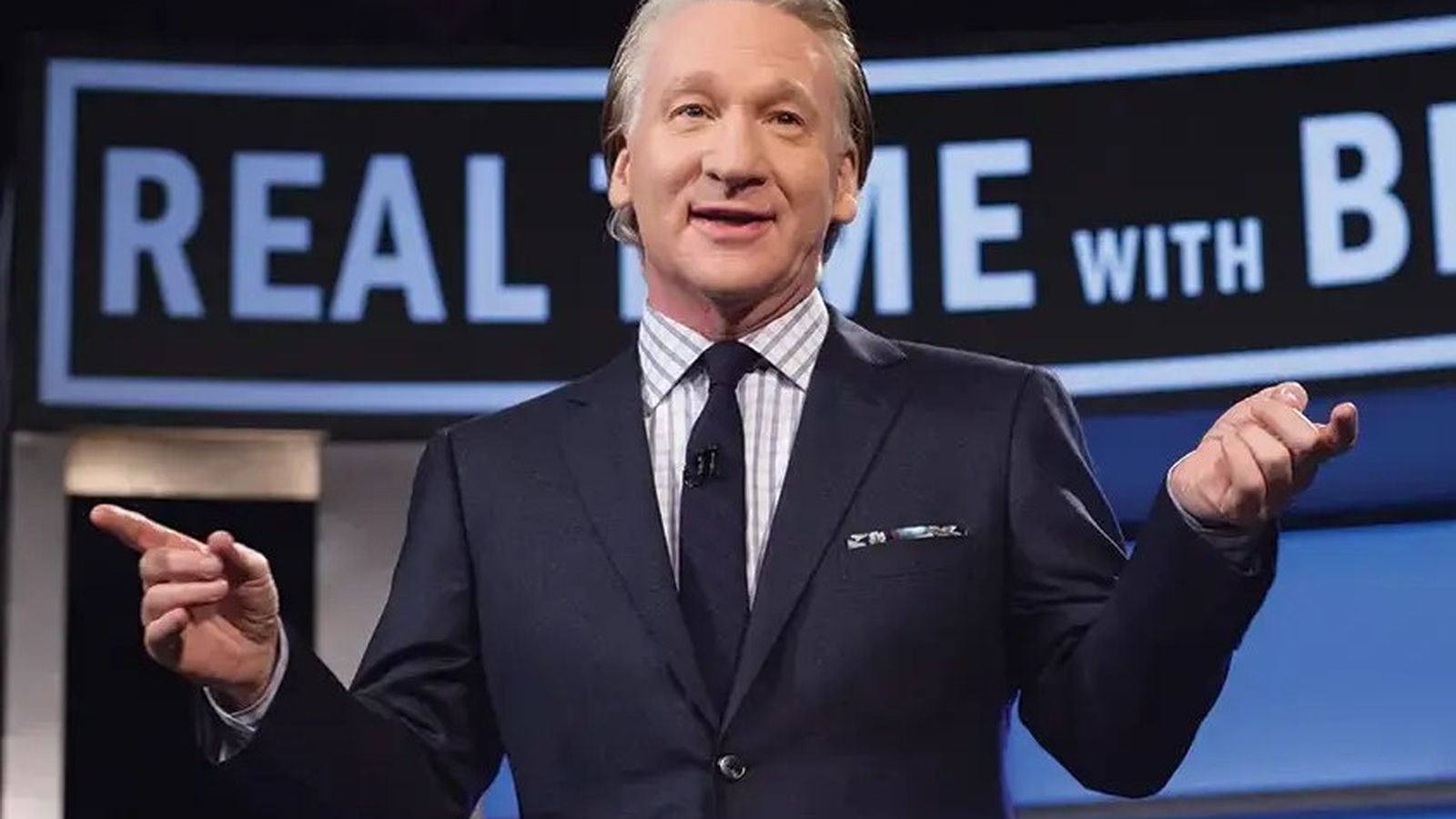
In a recent broadcast of HBO’s Real Time with Bill Maher, the intersection of speculative finance and high-stakes diplomacy took center stage. The primary catalyst for the discussion was the staggering 96% depreciation of the $TRUMP meme coin, a digital asset tied to the former president’s brand. Maher, joined by actor and documentary filmmaker Ben McKenzie, characterized the collapse not merely as a market fluctuation but as a symptomatic failure of the broader cryptocurrency ecosystem. McKenzie, whose recent work “Everyone is Lying to You for Money” targets the opacity of digital assets, argued that the coin’s trajectory followed a classic pump-and-dump architecture, where insiders liquidated positions at the expense of a retail base largely composed of political loyalists.
Maher’s critique extended beyond the financial mechanics, focusing on the ethical implications of a sitting or former executive leveraging their political identity for speculative ventures. According to McKenzie, the $TRUMP coin’s decline left millions of investors “losing their shirts,” while a select group of approximately 20 individuals extracted significant profit. This disparity, Maher noted, mirrors the broader concerns regarding insider trading and the lack of regulatory oversight in the crypto-sphere. The satirical edge of the program was sharpened by references to the “exclusive” steak dinners offered to top-tier investors—a gesture Maher mocked as a hollow compensation for catastrophic financial losses.
Geopolitical Theatrics: The Xi-Trump Summit in Beijing
The discourse transitioned from digital markets to the physical stage of international relations, specifically President Trump’s recent visit to China. Maher offered a scathing assessment of the diplomatic engagement with President Xi Jinping, suggesting that the U.S. administration had been outmaneuvered by Beijing’s mastery of “pomp and ceremony.” The host argued that the summit, characterized by red carpets and military parades, served as a strategic distraction that allowed Xi to consolidate a favorable position in the ongoing trade disputes. Maher pointedly noted that while the administration touted “enhanced economic cooperation,” the actual outcomes appeared to be a softening of the U.S. stance in exchange for symbolic gestures.
The panel, featuring New York Times columnist David French and historian Dan Jones, analyzed the shift in rhetoric. Maher highlighted Trump’s effusive praise for Xi—ranging from compliments on the Chinese leader’s “central casting” appearance to his negotiating prowess—as a sign of a personalist foreign policy that prioritizes rapport over institutional objectives. The observation that China “knows what Trump likes” served as a broader critique of how authoritarian regimes may exploit the psychological profiles of democratic leaders to achieve regional hegemony. The mention of “orange chicken” being served during the visit was framed by Maher as a subtle, symbolic jibe by the Chinese hosts, further underscoring the perceived power imbalance.
The Ethics of the Executive: Blind Trusts and Tech Influence
A significant portion of the policy discussion focused on the domestic conflicts of interest arising from the administration’s business dealings. Maher raised concerns regarding the President’s continued involvement in stock trading through companies that interact directly with the federal government. Despite the administration’s defense of using a “blind trust,” Maher countered that the current political climate offers what he termed “blind trust” from congressional allies rather than actual financial insulation. This lack of transparency, according to the analysis, undermines the integrity of executive decision-making, particularly when dealing with tech giants like Apple and Tesla, whose CEOs were present during the China mission.
The presence of Elon Musk and Tim Cook in Beijing alongside the President was cited as evidence of a corporate-state hybrid approach to diplomacy. Maher’s commentary suggested that these tech leaders are navigating a complex landscape where their interests may diverge from national security priorities, particularly regarding market access and labor practices in China. The host’s sharp wit targeted the irony of tech executives observing Chinese labor conditions while simultaneously lobbying for domestic deregulation.
Media Ethics and the “New Rule” on Identity Politics
Concluding the episode, Maher’s “New Rule” segment, titled “No Jews, No News,” tackled the perceived double standards in media coverage and the rise of antisemitism within progressive political circles. Maher argued that certain prejudices have become “acceptable” in modern discourse, particularly when they align with specific ideological frameworks. He criticized the failure of some political figures to condemn extremist rhetoric, drawing a parallel to how other forms of bigotry are—rightfully—met with immediate disqualification from public life. This segment reflected a broader institutional concern regarding the fragmentation of the Democratic coalition and the challenges of maintaining a cohesive policy platform amidst intensifying identity-based grievances.
The synthesis of financial volatility, diplomatic vulnerability, and shifting media ethics presented in this episode of Real Time underscores a period of profound institutional instability. The collapse of the $TRUMP coin serves as a microcosm for a larger trend where political branding replaces substantive policy, and where the lines between governance and personal enterprise continue to blur. As the U.S. navigates a complex geopolitical landscape dominated by a rising China, the reliance on personalist diplomacy and the distractions of cultural grievances may further erode the strategic clarity required for long-term national stability.