


The Supreme Court Mandate and the 2026 Lunar Observation
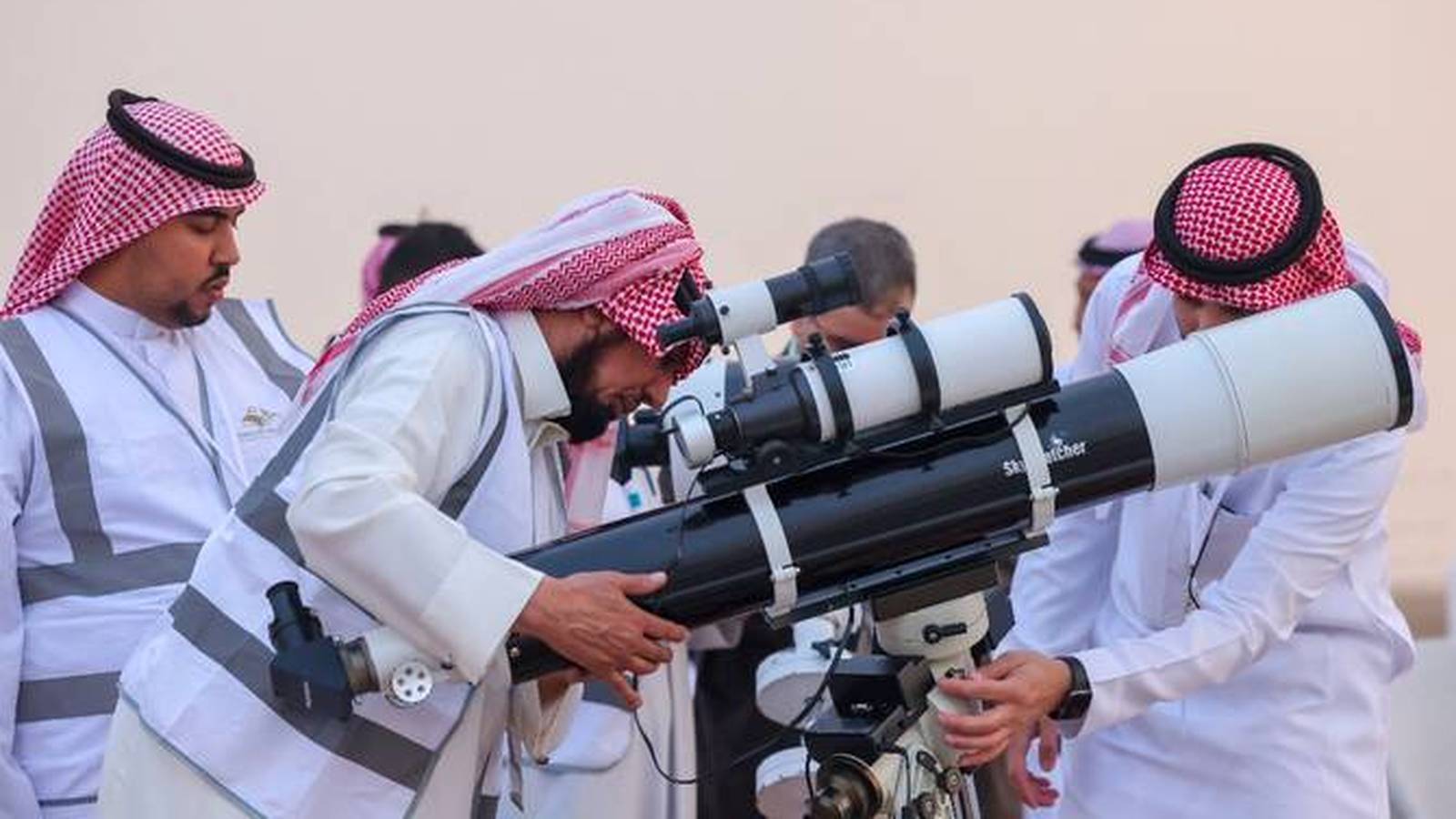
On May 16, 2026, the Supreme Court of Saudi Arabia issued a formal directive calling upon all Muslims within the Kingdom to observe the horizon for the crescent moon of Dhul Hijjah on the evening of Sunday, May 17. This institutional trigger is the primary mechanism for synchronizing the Islamic lunar calendar with civil and religious activities. According to reports from Arab News and Petra News Agency, the court has emphasized that the sighting can be conducted via the naked eye or through specialized optical equipment such as binoculars and telescopes. This procedure is not merely a ritualistic tradition but a critical administrative function that dictates the timing of the Hajj pilgrimage and the subsequent Festival of Sacrifice (Eid Al-Adha).
The legal framework surrounding the moon sighting requires that any individual who observes the crescent must report their testimony to the nearest judicial authority or official center. This rigorous verification process ensures that the transition into the twelfth and final month of the Islamic year is grounded in empirical evidence, a practice that has governed the Islamic world for centuries. If the moon is sighted on Sunday evening, the first day of Dhul Hijjah will correspond to Monday, May 18, 2026. Conversely, if the crescent remains obscured, the month of Dhul Qadah will complete 30 days, pushing the start of the holy month to Tuesday.
Logistical and Religious Stakes of the 1447 AH Pilgrimage
The stakes for the 2026 Hajj season are exceptionally high, with Saudi authorities projecting an influx of over 1.5 million international pilgrims. As noted by NDTV Profit, the Ministry of Hajj and Umrah has already begun implementing large-scale logistical protocols to manage the flow of worshippers. The timing of Dhul Hijjah is central to these operations, as the Hajj rites—including the standing at Arafah—must occur on specific days of the lunar month. The Day of Arafah, considered the pinnacle of the pilgrimage, falls on the 9th of Dhul Hijjah, while Eid Al-Adha begins on the 10th. Based on current astronomical projections, these dates are expected to align with late May or the first week of June 2026.
The religious significance of the first ten days of Dhul Hijjah cannot be overstated. Grand Mufti Sheikh Saleh Al-Fawzan has underscored that these days are among the most sacred in the Islamic calendar, encouraging increased acts of charity, prayer, and fasting. For the global Muslim community, these dates serve as a period of intense spiritual reflection and economic activity, as millions of families prepare for the Udhiyah (animal sacrifice), which stimulates significant trade in the agricultural and livestock sectors across the Middle East and North Africa.
The Convergence of Tradition and Technology in Sighting Protocols
While the Saudi Supreme Court maintains the traditional requirement for physical sighting, the process in 2026 involves a sophisticated integration of modern technology. Designated observation centers across the Kingdom are equipped with advanced astronomical tools to assist officials in distinguishing the thin crescent from atmospheric haze or clouds. This hybrid approach balances the theological necessity of physical observation with the scientific precision required for modern global scheduling. The involvement of the Saudi Supreme Court provides the necessary legal weight to the sighting, preventing discrepancies that could lead to administrative confusion regarding public holidays and pilgrimage logistics.
Furthermore, the Grand Mufti has issued specific guidance regarding the Udhiyah, reminding those intending to offer a sacrifice to adhere to specific ritual requirements from the start of the month. This coordination between the judiciary, the religious leadership, and the scientific community illustrates the multi-layered governance model that Saudi Arabia employs to manage its role as the custodian of the Two Holy Mosques.
Global Economic and Social Impact of the Hajj Season
The announcement of the moon sighting has immediate economic repercussions. The Hajj season is a massive driver of the Saudi non-oil economy, involving billions of dollars in revenue from aviation, hospitality, and services. For the 2026 season, the anticipated 1.5 million pilgrims represent a significant recovery and expansion of the religious tourism sector. The exact determination of the Dhul Hijjah start date allows airlines and travel agencies worldwide to finalize flight schedules and accommodation bookings, which are highly sensitive to the lunar calendar’s fluctuations.
Socially, the sighting unifies the global Muslim population under a single liturgical calendar for the duration of the Hajj. In countries ranging from Indonesia to the United States, the Saudi announcement serves as the definitive signal for the commencement of Eid preparations. The Day of Arafah, in particular, is observed by millions of non-pilgrims through fasting and prayer, making the Supreme Court’s Sunday observation a focal point of global attention.
The institutionalization of the Dhul Hijjah moon sighting reflects a sophisticated intersection of religious authority and modern statecraft. By mandating a centralized observation process, Saudi Arabia not only preserves the theological integrity of the Hajj but also manages the immense logistical complexity of hosting millions of visitors. As the Kingdom continues its Vision 2030 reforms, the efficiency of these religious administrative processes remains a key indicator of its capacity to balance tradition with the demands of a globalized, high-tech society. The 2026 season will likely serve as a benchmark for how the Kingdom handles large-scale religious events amidst evolving regional economic dynamics.