
Quick Read
- Police in Bishkek detained two suspects in a drug ring, including a local administration employee.
- A new sports medicine and rehabilitation center is being built by the Kyrgyz Football Union.
- Artist Duishobek Iskakov’s personal exhibition opens November 6 at the Kyrgyz National Museum of Fine Arts.
- An electronic queue system has been introduced at sugar beet collection points to ease farmers’ workload.
Bishkek Authorities Disrupt Drug Ring, City Official Detained
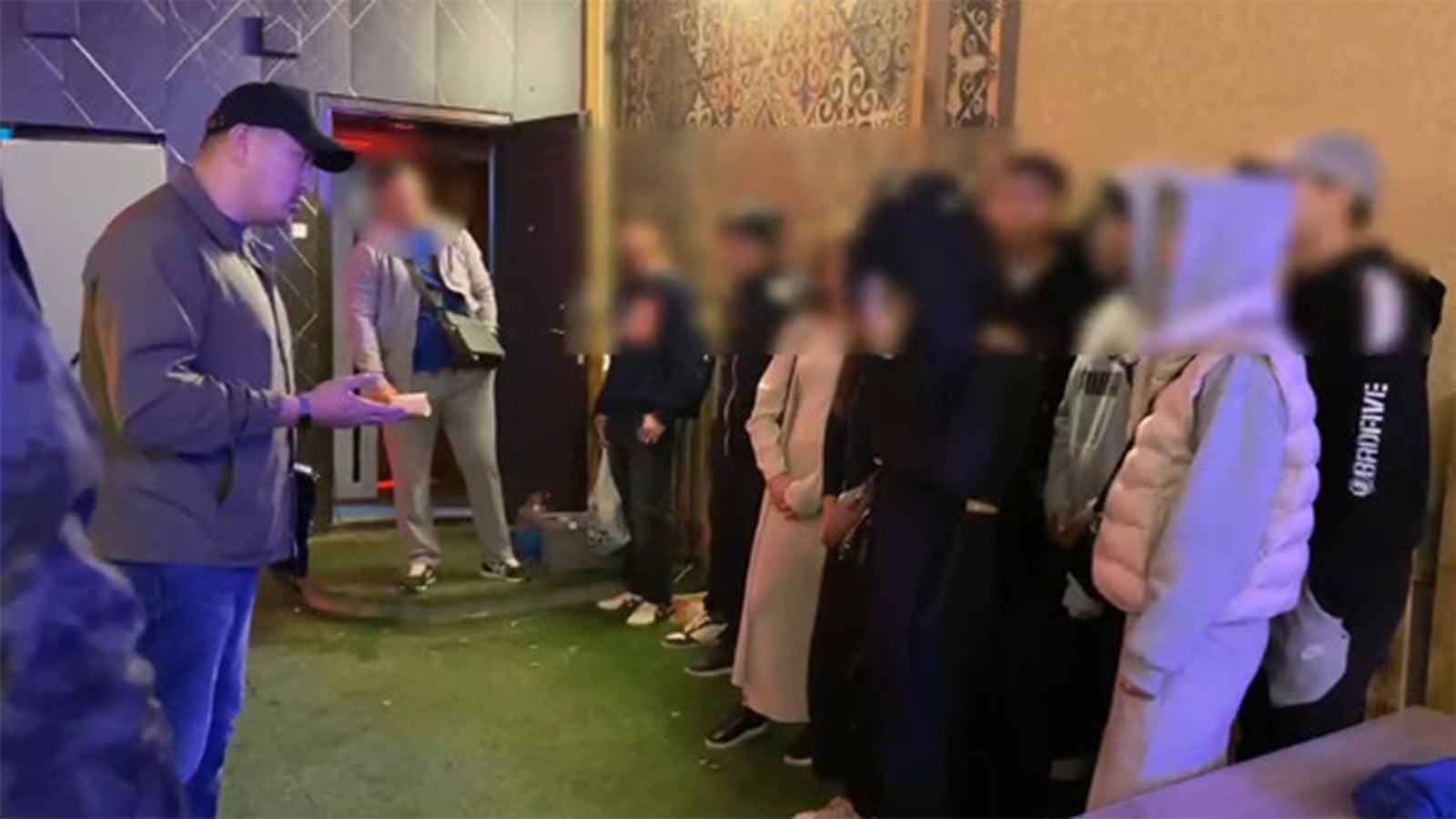
It’s not every day that a routine police operation shakes up the city’s administration, but that’s exactly what happened in Bishkek at the end of October. Officers from Kyrgyzstan’s Main Department for Combating Illegal Drug Trafficking, acting on intelligence, executed a targeted operation that resulted in the detention of two individuals allegedly involved in a criminal drug ring operating in the capital. Among those detained was an employee of the Oktyabrsky district administration—a detail that drew particular attention from local media and residents alike.
According to the Ministry of Internal Affairs, the suspects, identified as Zh.A.M. (48) and I.E. (40), were apprehended during a search of their residence. With the help of a sniffer dog, authorities uncovered a significant stash of hashish and marijuana, meticulously concealed within the home. Forensic tests are underway to determine the precise composition and quantity of the seized substances, while the investigation continues to track down other possible accomplices and distribution channels. The involvement of a government worker has raised uncomfortable questions about the extent of criminal networks and their infiltration into official institutions, a topic likely to spark debate among Bishkek’s citizens.
Sources: 24.kg, AKIpress
Sports Medicine and Rehabilitation Center Set to Transform Local Athletics
While law enforcement tackles one challenge, the sports community is preparing to embrace a new era. The Kyrgyz Football Union has announced the launch of the “Murok” Center for Sports Medicine and Rehabilitation in Bishkek. This initiative aims to provide state-of-the-art care for athletes, supporting recovery, prevention, and rehabilitation. The center is expected to become a hub for professional and amateur athletes alike, offering advanced medical technologies and therapeutic services.
The timing couldn’t be better. As sports grow in popularity and competitiveness in Kyrgyzstan, the demand for specialized medical support has surged. The new center is likely to attract not just football players but athletes from various disciplines, reflecting Bishkek’s evolving sports culture. Local officials and sports professionals view the center as a crucial investment in the health and performance of future champions.
Source: AKIpress
Duishobek Iskakov’s Personal Art Exhibition: Creativity on Display
Art lovers in Bishkek have something to look forward to this November. The Gapar Aitiev Kyrgyz National Museum of Fine Arts is gearing up to host a personal exhibition by Duishobek Iskakov, one of the country’s acclaimed artists. Scheduled to open on November 6, the event promises to showcase Iskakov’s distinctive approach and visual storytelling.
The exhibition is expected to attract both seasoned critics and casual visitors, offering a chance to engage with contemporary Kyrgyz art in a prestigious setting. For Iskakov, the show is not just a display—it’s a dialogue with the city, a reflection of Bishkek’s cultural vitality amid its rapid transformation. The museum’s decision to host the exhibition further underscores its commitment to promoting local talent and fostering artistic exchange.
Source: AKIpress
Smart Farming: Electronic Queue System Eases Sugar Beet Delivery
Away from the city’s administrative drama and cultural milestones, Bishkek’s agricultural sector is quietly undergoing a digital revolution. The Ministry of Water Resources, Agriculture, and Processing Industry has introduced an electronic queue system at sugar beet collection points, making life significantly easier for local farmers.
Instead of waiting in long lines, growers can now book a convenient slot to deliver their harvest, saving precious time and money. This innovation comes as the sugar beet harvest nears completion, with officials reporting that 60-70 percent of crops have already been gathered nationwide. The ministry assures that sugar prices will remain stable and that no shortages are expected—a welcome message for both producers and consumers.
For many farmers, the new system is more than a technical upgrade; it’s a sign that their needs are finally being recognized in policy and practice. Bishkek’s embrace of digital solutions in agriculture could serve as a model for other regions, driving efficiency and transparency.
Source: 24.kg
Bishkek at a Crossroads: Modernization Amid Complexity
Bishkek’s current events paint a vivid picture of a city in transition. On one hand, the crackdown on drug trafficking reveals the complexities and vulnerabilities facing urban governance, especially when public officials are implicated. On the other, investments in sports medicine, cultural initiatives, and smart agriculture point to a city determined to modernize and improve quality of life for its residents.
These stories aren’t isolated—they’re interconnected, shaping the everyday experience of Bishkek’s citizens. As new systems and centers open their doors, and as law enforcement seeks to restore trust, the capital’s journey toward a safer, healthier, and more creative future remains a work in progress.
Bishkek’s contrasting headlines this week highlight both the challenges of urban governance and the promise of innovation—from rooting out corruption to nurturing talent and efficiency. The city’s ability to address problems while investing in progress will define its next chapter.