


Shark Encounters: The Real Risks Behind the Fear
Most days, the ocean is a playground. Surfers ride rolling waves, divers slip beneath the surface, and swimmers bask in the salt and sun. They share these waters with sharks, often oblivious to the silent presence gliding below. But every so often, the calm is shattered—a shark investigates a human, not with malice, but with curiosity. In those rare moments, the consequences can be dire. A single bite, even if exploratory, can cause catastrophic blood loss before help arrives.
The statistics cut through the myth: shark bites are extremely rare. According to the Australian Shark Incident Database, fewer than 20 people are injured and about three die annually from shark encounters in Australia—a nation famed for its beaches and surf culture. Yet the image of the great white shark, jaws agape, still haunts the public imagination. Most serious injuries come from two species: the great white and the tiger shark. Their teeth, serrated like steak knives, are designed for ripping through flesh and bone.
Engineering Protection: Wetsuits That Stand Up to Great Whites
How do you defend against nature’s perfect predator? Until recently, the options were blunt. Shark nets and culling reduce risk for swimmers, but at a heavy price—marine life, from dolphins to turtles, is often collateral damage. Chainmail suits, famously worn by some divers, offer protection but are too heavy and inflexible for most water sports.
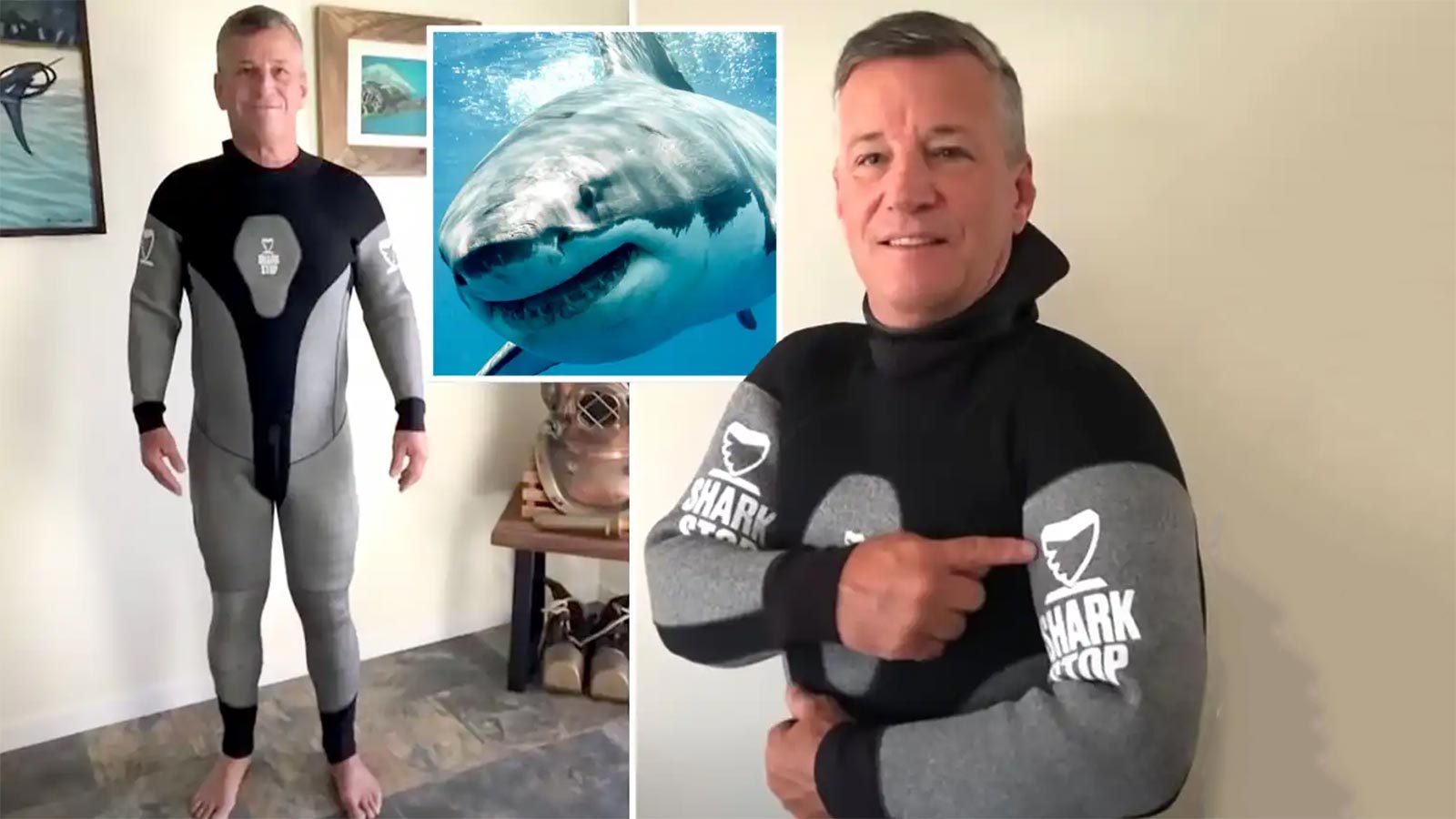
Enter the new era: bite-resistant wetsuits woven from ultra-strong fibers. Australian researchers, led by Professor Charlie Huveneers and Dr. Tom Clarke from Flinders University, wanted to see if modern materials could blunt the worst of a shark’s bite. They tested four advanced fabrics—Aqua Armour, Shark Stop, ActionTX-S, and Brewster—against the jaws of both great white and tiger sharks.
The experiment was as direct as it gets. In South Australia’s Neptune Islands (great whites) and off Norfolk Island (tiger sharks), they baited sharks with fish, then swapped in boards wrapped in foam and the new bite-resistant fabrics. The foam mimicked human tissue. Over 24 days, sharks delivered 152 bites.
Each bite was analyzed and classified: superficial, moderate, substantial, or critical. The results, published in Wildlife Research, were compelling. All four fabrics dramatically reduced severe injuries—the kind that lead to massive blood loss or limb loss. Tiger sharks never managed a critical injury with the new suits. Great whites still caused some critical damage, but far less than with standard neoprene.
As Dr. Clarke explained to The Guardian, “The material itself stops the tooth from puncturing through the material.” Even so, these suits aren’t a panacea. Internal injuries remain possible. Bones can still fracture. But the suits buy precious time—enough for a surfer or diver to reach safety.
From Lab to Ocean: Testing the Limits of Bite Resistance
The science behind these suits is both simple and sophisticated. Traditional chainmail, heavy and rigid, has protected professionals for decades. But new wetsuits use ultra-high molecular weight polyethylene (the stuff of strong sailing ropes) and other polymers that are light, flexible, and tough. This means surfers and divers don’t have to sacrifice comfort for protection.
During testing, the researchers saw that even moderate bites from sharks up to three meters (about nine feet) long resulted in less tissue damage and blood loss compared to standard neoprene. “Our study showed that bite-resistant materials incorporated into wetsuits can reduce damage from large white and tiger sharks… even from moderate and severe bites,” said Clarke in a university statement.
The bite packages—boards simulating a human limb—were chewed and punctured by sharks eager for a snack. Yet, where regular wetsuit material might have been shredded, the new fibers held up. Not perfectly, but enough to make a difference.
Changing the Conversation: Safety and Conservation in Harmony
If these suits can save lives, they may also shift the narrative around sharks themselves. Public fear often fuels policies like shark culling and netting—measures that threaten marine biodiversity. Bite-resistant wetsuits offer an alternative: empowering individuals without endangering wildlife.
“By giving people these evidence-based mitigation strategies… it gives them that empowerment,” said conservation psychologist Brianna Le Busque. Instead of fearing the ocean or demanding lethal solutions, beachgoers and professionals can take personal steps to protect themselves.
It’s a subtle but significant shift. The ocean remains a place of risk, but also of wonder. As our interactions with marine life increase, especially in growing coastal communities, the need for smarter, less destructive safety tools becomes urgent.
The Future of Shark Safety: Beyond Myths and Toward Real Solutions
What’s next for bite-resistant wetsuits? Researchers caution that no suit can make a person invincible. Crushing injuries, bruising, and internal trauma are still possible. And, as Gizmodo’s wry commentary points out, there’s little chance of human volunteers lining up for real-life shark trials.
But for those who work and play in the sea—lifeguards, scientists, surfers—the technology offers a new line of defense. It’s not the stuff of superhero movies, but it is a step toward reducing the worst outcomes.
The ocean’s predators will always inspire awe and anxiety. Yet, as science develops smarter, gentler solutions, the balance between human safety and marine conservation feels more achievable. In time, perhaps the image of the shark will shift—from terror to respect, from threat to neighbor.
These advances in bite-resistant wetsuit technology reflect a crucial pivot in ocean safety: moving from fear-driven responses to evidence-based solutions that respect both humans and the marine world. The story here isn’t just about surviving shark bites—it’s about forging a future where coexistence is possible, and where innovation gives people both protection and peace of mind.