
Quick Read
- PM Pashinyan met with the French Senate’s Armenia-France friendship group to discuss deepening bilateral ties.
- Upcoming ‘important events’ are expected to advance cooperation in energy, agriculture, and education sectors.
- Domestic opposition attempts to initiate impeachment proceedings remain stalled due to a lack of parliamentary support.
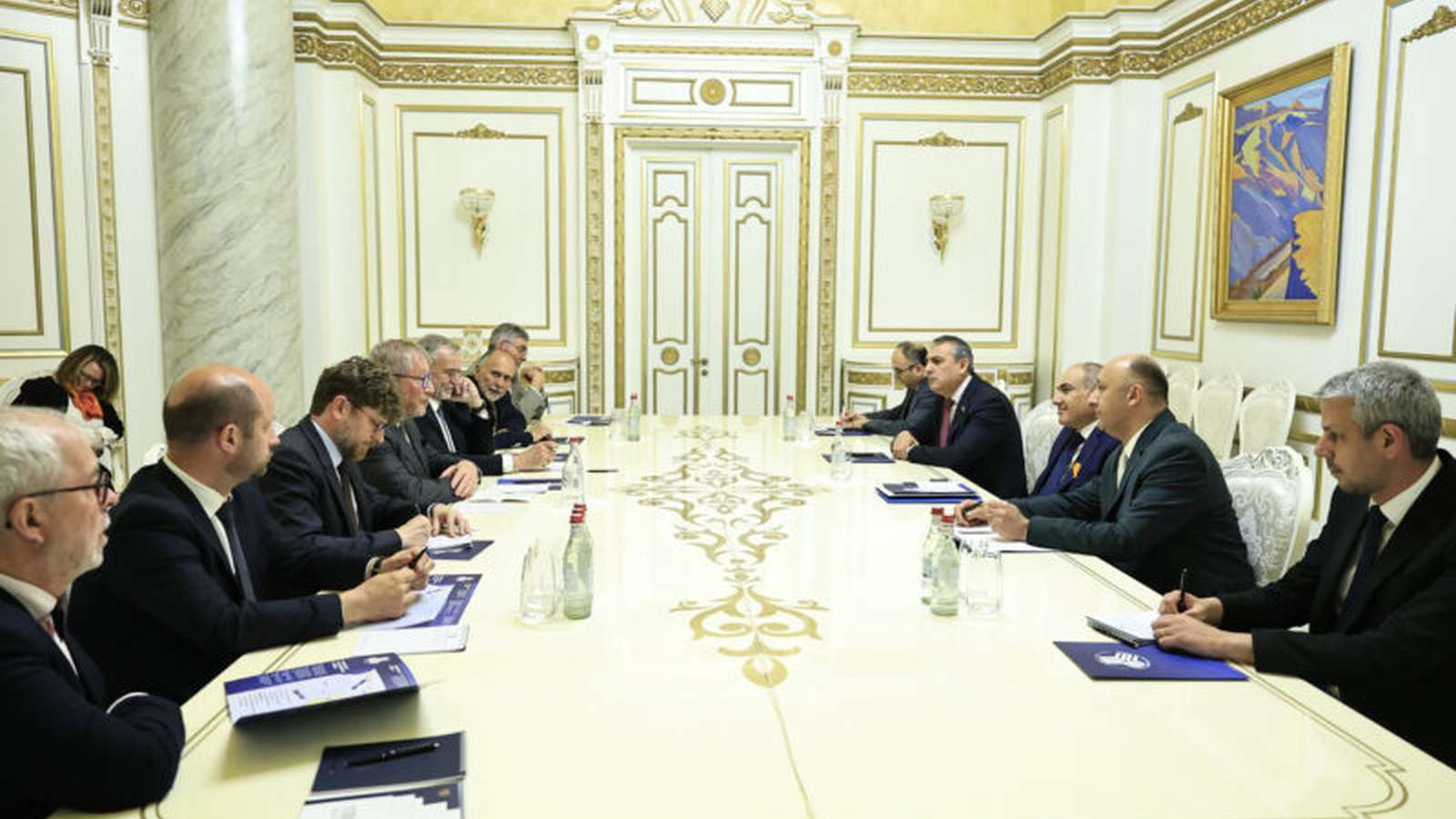
Armenia and France are entering a phase of deeper institutional engagement, as indicated by Prime Minister Nikol Pashinyan’s recent meeting with a delegation led by Gilbert-Luc Devinaz, head of the French Senate’s Armenia-France friendship group. The discussions in Yerevan went beyond ceremonial diplomacy, pointing toward substantive cooperation in sectors ranging from energy and agriculture to education. The Prime Minister’s assertion that “important events” are expected in the near term suggests that the bilateral agenda is moving toward more concrete, tangible outcomes, likely aimed at bolstering Armenia’s economic and political resilience amid regional volatility.
Deepening Institutional Ties
The French Senate has played a consistent role in advocating for Armenia’s sovereignty and democratic consolidation. Gilbert-Luc Devinaz noted a shift in the local atmosphere, observing a move toward stability that contrasts with the tensions of previous years. This diplomatic alignment is critical for Armenia as it seeks to diversify its partnerships and integrate more closely with European standards of governance. By framing these upcoming events as a natural progression of high-level parliamentary relations, both sides are signaling a long-term commitment that transcends immediate geopolitical pressures.
Regional Context and Domestic Stability
While the focus remains on deepening external partnerships, the domestic political landscape in Armenia remains polarized. Opposition factions, specifically the “Armenia” and “I Have Honor” blocs, have recently engaged in discussions regarding potential impeachment proceedings against the Prime Minister. However, these efforts currently lack the necessary parliamentary threshold, as the ruling Civil Contract party maintains a solid majority and has publicly dismissed the viability of such political maneuvers. The institutional stability of the current government remains a key factor in how international partners, including France, calibrate their long-term cooperation strategies.
A Strategic Outlook
The strengthening of Armenian-French relations represents a strategic pivot toward a more reliable, values-based international partnership. For Armenian households and businesses, the practical implications of this cooperation—particularly in energy and agricultural modernization—could provide a necessary buffer against regional economic shocks. As the government navigates both internal opposition and external security challenges, the ability to secure sustained support from democratic partners like France will be a defining metric of its success in the coming months.