
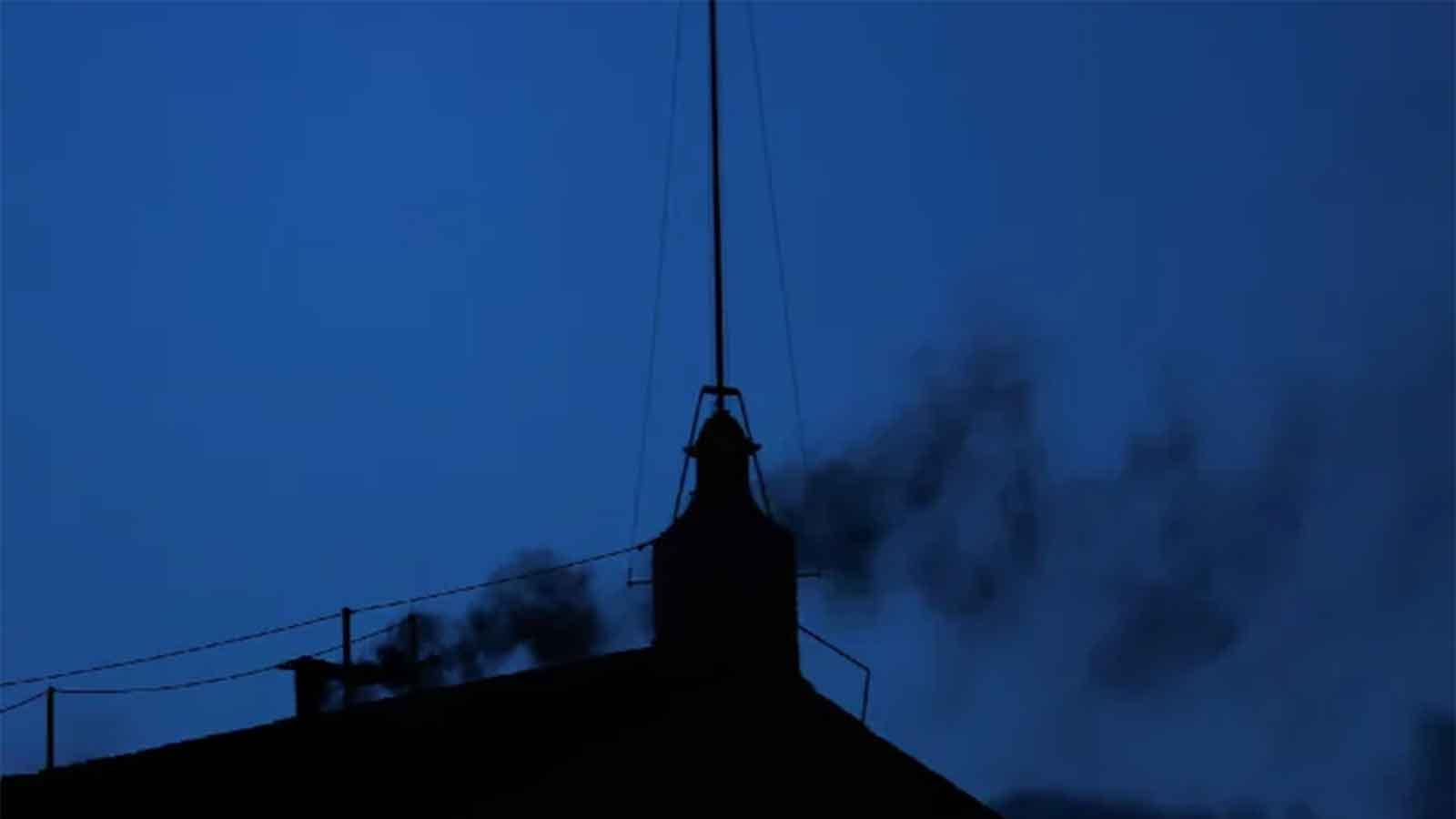
Black Smoke Signals No Pope Elected on First Day of Conclave
On May 7, 2025, black smoke rose from the chimney of the Sistine Chapel, signaling that the first day of voting in the papal conclave ended without the election of a new pope. This outcome was widely anticipated, as modern papal conclaves rarely produce a result on the first day. The 133 cardinal electors, representing 70 countries, will reconvene on Thursday to continue the process of selecting a successor to Pope Francis, who passed away last month at the age of 88.
Secrecy and Ritual Mark the Start of the Conclave
The conclave began with a solemn procession into the Sistine Chapel, accompanied by Latin chants and organ music. Cardinals, dressed in their red robes, took an oath of secrecy, vowing not to disclose any details of the proceedings. The chapel doors were then closed with the traditional Latin command, “Extra omnes!” (Everyone out!), signaling the start of the secretive voting process.
Each cardinal laid their hand on the Gospels, pledging to act for the good of the Church and humanity. The voting process is conducted in strict confidentiality, with completed ballots burned after each session. Black smoke indicates no decision, while white smoke signals the election of a new pope.
Divisions Among Cardinals: Progressives vs. Traditionalists
The cardinal electors are reportedly divided between those who wish to continue the progressive reforms of Pope Francis and those advocating for a return to traditional practices. Pope Francis, during his 12-year papacy, emphasized inclusivity and reform, which some ultra-conservatives criticized as too accommodating. These divisions are expected to influence the voting process, as cardinals deliberate over the Church’s future direction.
Among the potential candidates are Filipino Cardinal Luis Antonio Tagle, American Cardinal Robert Prevost, and Italian Cardinal Pietro Parolin, the former Vatican Secretary of State. Discussions are also centered on whether the next pope should come from the global South, where Catholic congregations are growing, or from Europe, the traditional center of the Church.
Historical Context and Expectations
Modern papal conclaves are typically brief, with the 2013 conclave that elected Pope Francis lasting only two days. Similarly, the 2005 conclave that chose Pope Benedict XVI concluded within 36 hours. However, the current conclave may take longer due to the diverse and divided College of Cardinals, many of whom are meeting for the first time.
Cardinals are expected to hold up to four voting sessions per day—two in the morning and two in the afternoon—until a candidate secures at least two-thirds of the votes, or 89 votes in this case. If no decision is reached after five days, the cardinals will pause for prayer and informal discussions before resuming the voting process.
Faithful Gather in St. Peter’s Square
Despite the unlikelihood of a decision on the first day, thousands of faithful gathered in St. Peter’s Square to witness the smoke signals. The crowd erupted in applause when black smoke finally appeared at 9:05 PM local time, marking the end of the day’s voting. Many attendees expressed hope for a pope who could unify the Church and address pressing issues such as clerical sexual abuse and the role of women in the Church.
Some groups, like the UK-based Catholic Women’s Ordination (CWO), staged peaceful protests, advocating for greater inclusion of women in Church leadership. Pink smoke was released near St. Peter’s as a symbolic gesture, highlighting the ongoing debate over gender roles within the Catholic Church.
What Lies Ahead
The cardinals will spend the night in Vatican guesthouses, where informal discussions may continue. They will return to the Sistine Chapel on Thursday morning for another round of voting. The conclave will continue until a new pope is elected, a process that could last several days.
The next pope will face the challenging task of uniting a diverse and divided Church, addressing global issues, and continuing or revising the reforms initiated by Pope Francis. As the world watches, the outcome of this conclave will shape the future of the Catholic Church and its 1.4 billion members.
Source: Reuters, CNN