
Quick Read
- Self-taught engineers are challenging industry giants like Blue Origin by developing innovative space technologies with lower budgets.
- The democratization of knowledge and accessible tools has lowered barriers to entry in space exploration, fostering a more diverse ecosystem.
In the vast and ever-evolving universe of space exploration, the spotlight traditionally shone on giants like Blue Origin, founded by the visionary Jeff Bezos, and Elon Musk’s SpaceX. These companies revolutionized the industry with their ambitious projects, groundbreaking technologies, and significant financial backing. Yet, as the 2020s unfold, a new wave of innovators—often unconventional and self-taught—are beginning to challenge the dominance of these industry titans, promising a more democratized and dynamic future for space exploration.
Disrupting the Space Industry: The Rise of Unconventional Entrepreneurs
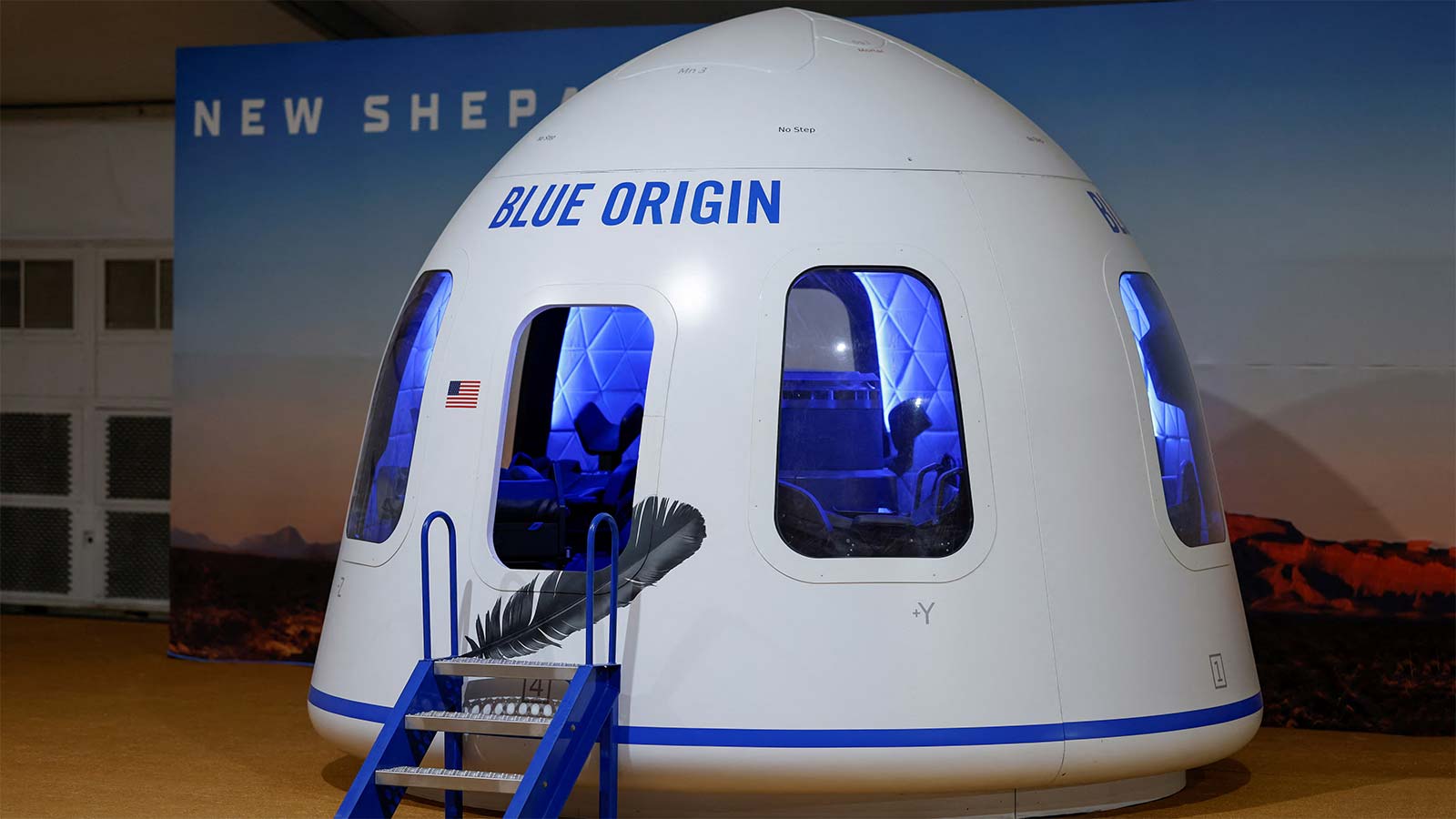
While Blue Origin continues to push the boundaries with its New Shepard and New Glenn rockets, a different kind of challenge is emerging from unexpected quarters. Stories of self-taught engineers and entrepreneurs—who have bypassed traditional academic pathways—are gaining prominence. These pioneers leverage online resources, open-source technologies, and rapid prototyping to develop competitive space technologies with significantly lower budgets and faster turnaround times.
According to Reuters, this shift is not just about cost-cutting; it’s about a fundamental change in how space innovation is conceived. The accessibility of knowledge and tools has lowered the barriers to entry, enabling smaller players to participate actively in a field once reserved for well-funded corporations and government agencies. This democratization of space technology could accelerate innovation and diversify the types of missions undertaken, from satellite deployment to lunar exploration.
Blue Origin’s Response and Strategic Positioning
Despite the emergence of these nontraditional players, Blue Origin maintains its focus on steady progress, emphasizing safety, reliability, and incremental advancements. The company’s approach involves extensive testing and a cautious roadmap towards human spaceflight and lunar colonization. However, industry analysts suggest that the rise of alternative, often more agile startups, might compel Blue Origin to rethink its strategies, perhaps adopting more flexible development models or fostering collaborations with these new entrants.
Moreover, the competitive pressure from these startups could lead to faster innovation cycles within Blue Origin itself. As the industry witnesses a more vibrant ecosystem of players, the overall pace of technological advancement is likely to quicken, ultimately benefiting the broader space sector and public interest.
The Impact of Self-Taught Innovators on Industry Standards and Public Perception
Self-taught engineers and entrepreneurs challenge the conventional wisdom that only highly credentialed scientists can contribute meaningfully to space exploration. Their success stories inspire a broader audience and encourage a reevaluation of talent sourcing in high-tech industries. This trend also influences public perception, making space endeavors seem more accessible and inclusive.
Furthermore, these innovators often prioritize cost-effective, rapid development strategies—such as iterative testing and open innovation—that can complement the large-scale, capital-intensive projects of Blue Origin. As a result, the industry could see a blending of approaches, fostering a more resilient and adaptable space ecosystem.
Ultimately, the emergence of these challengers underscores a pivotal question: Will the future of space exploration be dominated solely by well-funded giants, or will a more diverse constellation of players shape the next era? This evolution reflects a broader societal shift towards valuing ingenuity, resilience, and practical skills—traits that are no longer exclusive to formal academic pathways but are accessible to anyone with passion and perseverance.
In conclusion, the ongoing challenge to Blue Origin and similar companies exemplifies how innovation driven by unconventional talents can disrupt established markets. If these trends continue, they may lead to a more inclusive, competitive, and rapid-paced space industry—one where the boundaries of possibility are continually expanded by those daring to think differently.