

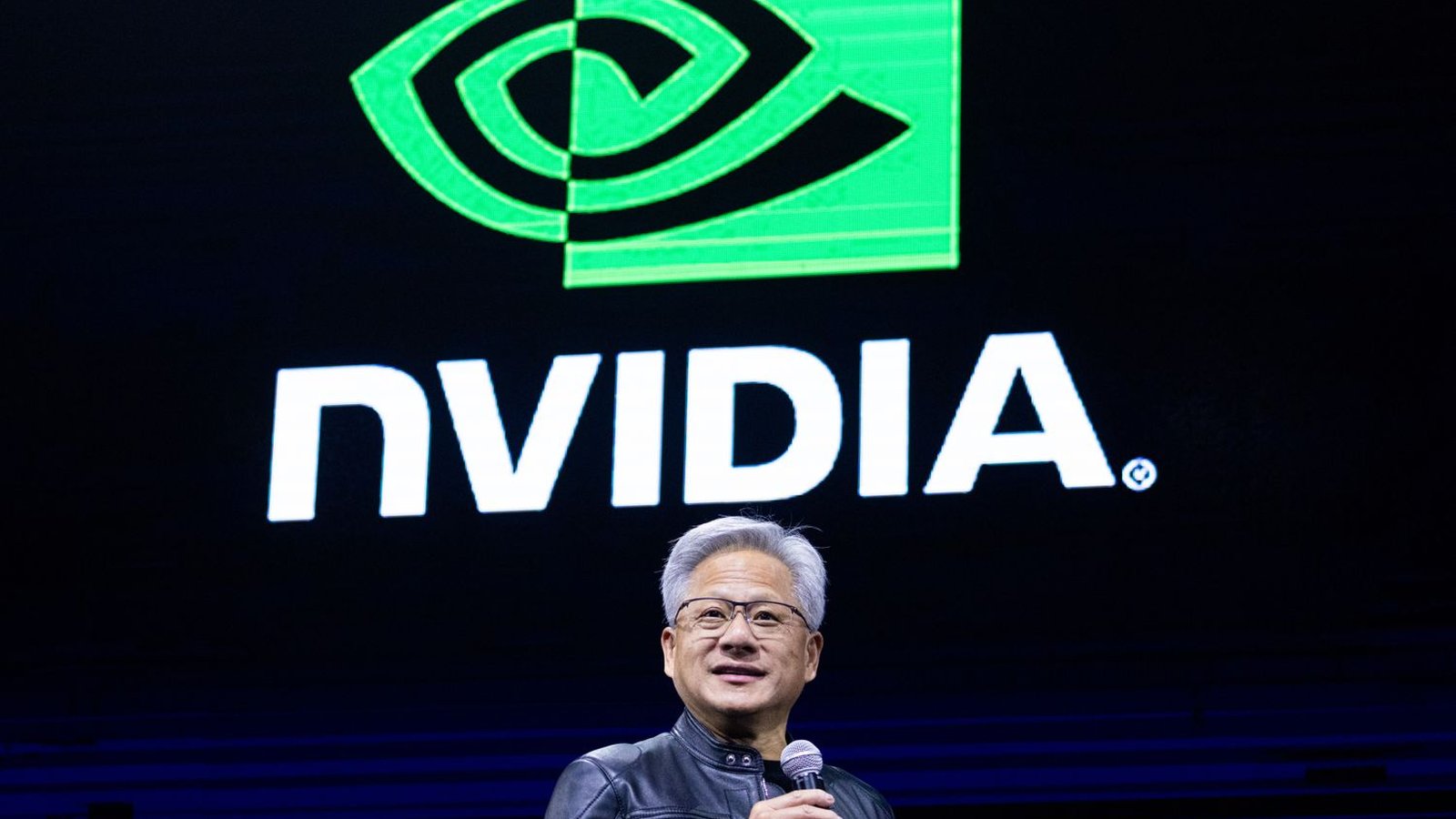
Quick Read
- Nvidia CEO Jensen Huang has been pivotal in transforming the company into a leader in AI and high-performance computing.
- Huang emphasizes the growing importance of skilled trades like electricians and carpenters in building AI infrastructure.
- Under his leadership, Nvidia has tackled geopolitical challenges, including stalled international deals.
- Nvidia’s GPUs are at the forefront of powering AI and machine learning applications globally.
- Huang’s vision and strategies continue to shape the future of Nvidia and the broader tech landscape.
Jensen Huang, the CEO of Nvidia Corporation, is widely regarded as one of the most influential leaders in the technology industry. Under his leadership, Nvidia has evolved from a graphics card manufacturer into a powerhouse in artificial intelligence (AI), data centers, and high-performance computing. Huang’s ability to anticipate industry trends and adapt to technological shifts has made him a visionary figure in the world of innovation and tech leadership.
Jensen Huang: From Engineer to Visionary Leader
Jensen Huang, born in Taiwan and raised in the United States, co-founded Nvidia in 1993. The company initially focused on developing graphics processing units (GPUs) for gaming. However, Huang’s foresight allowed Nvidia to pivot towards AI and machine learning applications, recognizing the immense potential of GPUs in these fields. This strategic shift not only revolutionized Nvidia’s business model but also positioned the company as a leader in the AI industry.
Huang’s leadership style is characterized by his ability to inspire innovation and foster a culture of creativity within Nvidia. He is known for his hands-on approach, often engaging directly with engineers and developers to solve complex problems. This collaborative environment has been instrumental in driving Nvidia’s success in developing cutting-edge technologies.
Championing Skilled Trades in the AI Era
One of Huang’s most notable perspectives on the future of work in the AI era is his emphasis on the importance of skilled trades. Contrary to the popular belief that AI and automation will primarily benefit white-collar jobs, Huang has highlighted the critical role of electricians, plumbers, and carpenters in building the physical infrastructure required for AI development.
In interviews, Huang has pointed out that the construction and maintenance of AI data centers will require a significant workforce skilled in trades. He predicts that the demand for these professionals will continue to grow as the need for AI infrastructure expands exponentially. This insight challenges the narrative that the AI revolution will mainly disrupt traditional labor markets, offering a more nuanced perspective on the economic implications of AI.
Navigating Geopolitical Challenges
Huang’s leadership extends beyond technological innovation to navigating complex geopolitical landscapes. Nvidia’s ambitions to supply advanced AI chips to the United Arab Emirates (UAE) faced significant delays due to concerns over the UAE’s ties with China. The U.S. Commerce Department, under the Trump administration, required the UAE to finalize its U.S. investments before approving the deal.
Despite these challenges, Huang remained steadfast in his commitment to advancing Nvidia’s global strategy. He and his team worked closely with U.S. officials to address security concerns and ensure that the deal aligns with America’s broader tech and geopolitical objectives. This situation highlights Huang’s ability to manage high-stakes negotiations and maintain Nvidia’s competitive edge in the global tech industry.
Nvidia’s Role in the Global AI Landscape
Under Huang’s leadership, Nvidia has become a cornerstone of the global AI ecosystem. The company’s GPUs are widely regarded as the gold standard for AI and machine learning applications. Nvidia’s technologies power everything from autonomous vehicles to advanced medical research, underscoring the company’s broad impact on various industries.
Huang has also been a vocal advocate for ethical AI development, emphasizing the need for responsible innovation. He has called for collaboration between governments, academia, and the private sector to ensure that AI technologies are developed and deployed in ways that benefit society as a whole.
The Future of Nvidia and Huang’s Legacy
As Nvidia continues to push the boundaries of technology, Huang’s vision and leadership remain integral to the company’s success. With global capital spending on data centers projected to reach $7 trillion by 2030, Nvidia is well-positioned to capitalize on this growth. The company’s commitment to innovation and its focus on both technological and human capital ensure its continued relevance in the rapidly evolving tech landscape.
Huang’s emphasis on the importance of skilled trades and his ability to navigate geopolitical challenges serve as a blueprint for other leaders in the tech industry. His leadership not only shapes Nvidia’s future but also influences the broader trajectory of the AI and technology sectors.
Jensen Huang’s leadership at Nvidia exemplifies the qualities of foresight, adaptability, and a commitment to innovation. His insights into the future of work and his ability to address global challenges make him a pivotal figure in shaping the AI era. As Nvidia continues to grow, Huang’s legacy as a transformative leader will undoubtedly endure.