
Quick Read
- BMW has unveiled the 2027 i3, an electric sedan built on the Neue Klasse platform designed to compete directly with the Tesla Model 3.
- The new i3 features an 800-volt architecture and supports 400 kW fast charging, aiming to outperform Tesla in core hardware metrics.
- Tesla is currently facing an upgraded federal investigation into its Full-Self Driving system that could lead to a massive recall affecting 3.2 million vehicles.
MUNICH (Azat TV) – BMW has officially entered a new phase of its electrification strategy, unveiling the 2027 BMW i3, a purpose-built electric sedan aimed squarely at the Tesla Model 3. Revealed this March, the vehicle represents a significant shift for the German automaker, utilizing the advanced “Neue Klasse” platform to challenge the long-standing dominance of the Tesla Model 3 in the premium compact electric vehicle segment.
The Neue Klasse Strategy vs. Tesla Model 3
The 2027 i3 is built on a next-generation architecture that prioritizes efficiency and raw performance. According to The Financial, the i3 features an 800-volt electrical system capable of supporting 400 kW ultra-fast charging, a technical specification intended to surpass current charging benchmarks. With a dual-motor 50 xDrive variant producing approximately 463 horsepower, BMW is positioning the vehicle as a direct performance rival to Tesla’s high-end offerings.
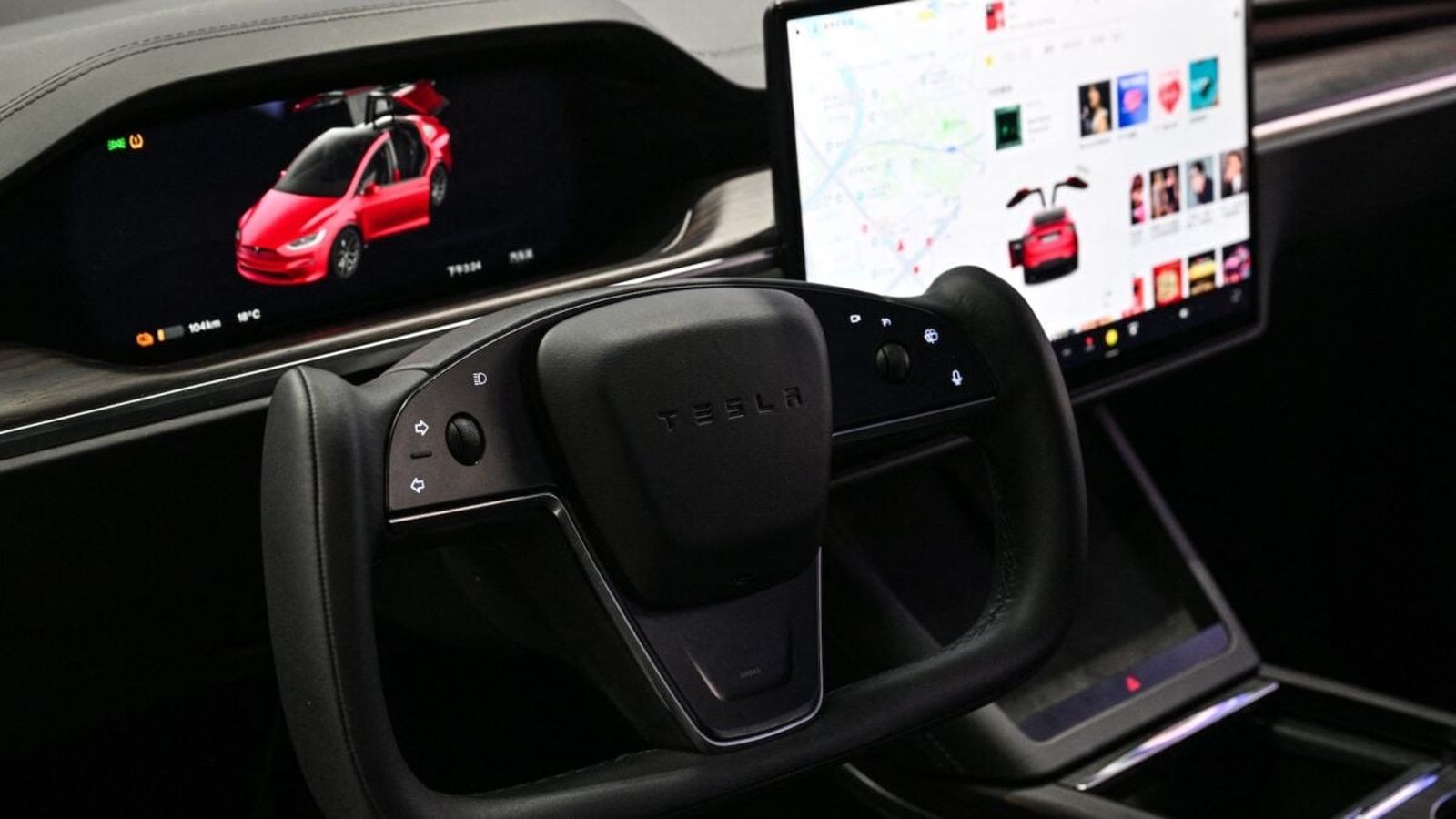
While the Tesla Model 3 has maintained its lead through software integration and advanced driver-assistance systems, BMW is betting on hardware superiority and interior luxury to capture market share. The i3’s cabin moves away from the minimalist aesthetic popularized by Tesla, opting for traditional premium materials and a comprehensive “Panoramic Vision” digital display system.
Regulatory Pressures and Market Stakes
The timing of BMW’s entry coincides with heightening regulatory scrutiny facing Tesla. As reported by Gizmodo, the National Highway Traffic Safety Administration (NHTSA) has escalated its investigation into Tesla’s Full-Self Driving (Supervised) software to an engineering analysis. This development, which affects approximately 3.2 million vehicles including the Model 3, brings the possibility of a massive recall closer to reality. For consumers, the choice between the established software ecosystem of Tesla and the emerging, hardware-focused luxury of the BMW i3 is becoming increasingly defined by the reliability of autonomous features versus physical build quality.
The Evolution of the Premium EV Segment
BMW’s pivot to the i3 is part of a broader, aggressive expansion plan that includes the launch of 40 new or updated models by 2027. This strategy reflects a departure from earlier, less conventional designs, as the company seeks to reclaim the market share it lost during the early years of the electric transition. By focusing on the compact sedan segment, BMW is not only challenging Tesla but also preempting upcoming entries like the electric Mercedes-Benz CLA.
The emergence of the 2027 i3 suggests that the premium EV market is entering a phase of consolidation where traditional automakers are no longer playing catch-up on range and charging, but are instead leveraging their manufacturing heritage to challenge Tesla’s software-centric value proposition.