


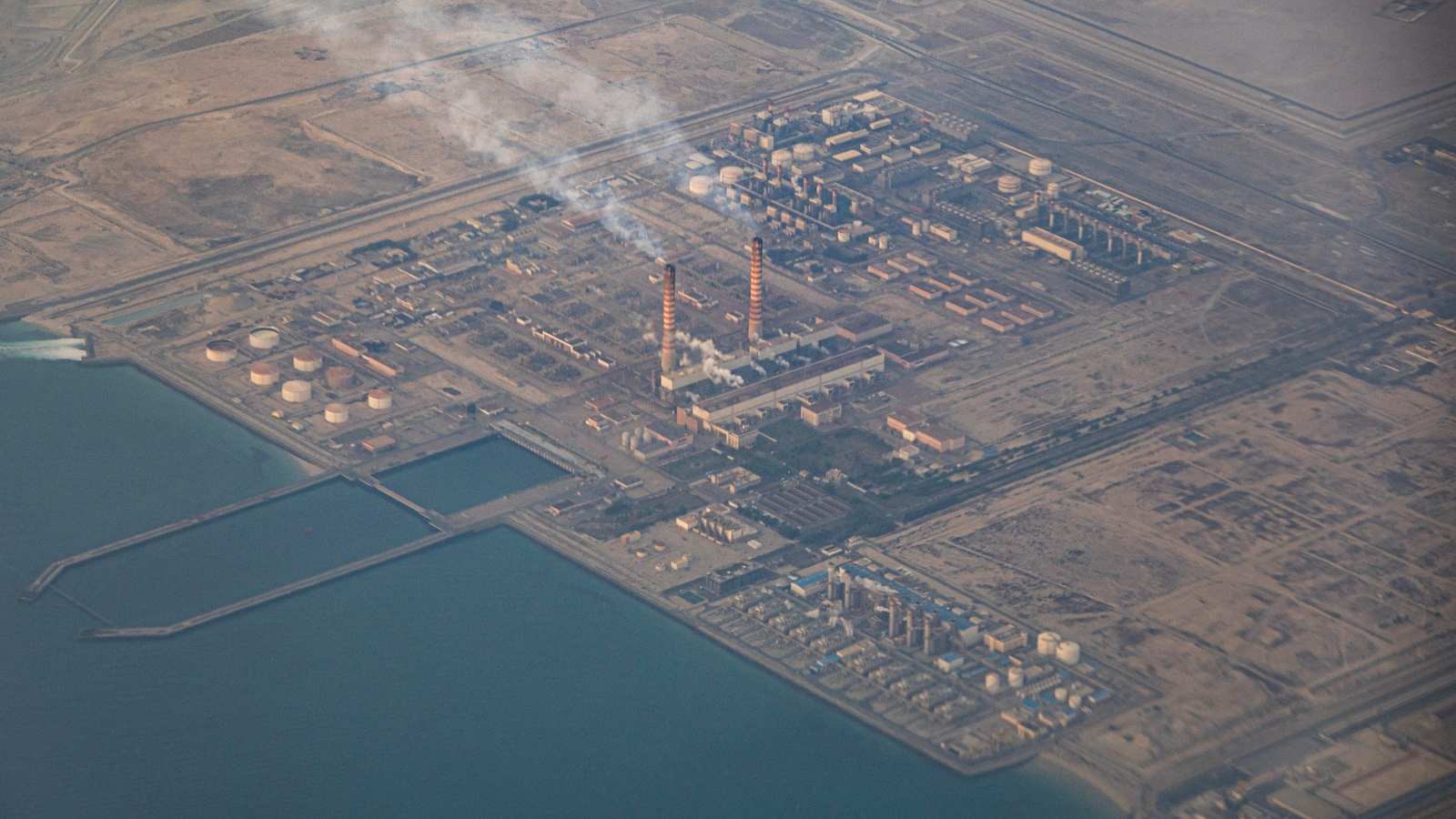
KUWAIT CITY (Azat TV) – Iranian forces launched a second wave of drone strikes against Kuwait’s Mina al-Ahmadi oil refinery on Friday, marking a significant and dangerous escalation in the widening conflict across the Persian Gulf. The assault, which occurred as Kuwaiti citizens observed Eid al-Fitr, forced the national oil company to shut down several processing units at the facility, which typically manages 730,000 barrels of oil per day.
Expanding Scope of Iranian Energy Strikes
This latest attack on Kuwaiti infrastructure follows a broader campaign by the Islamic Revolutionary Guard Corps (IRGC) targeting energy hubs across the region. The strikes are presented by Tehran as retaliation for an Israeli attack earlier this week on the South Pars gas field in Iran. The direct targeting of third-party energy providers represents a shift in strategy, moving the conflict beyond direct combatants and threatening global energy supply stability. In addition to the Kuwaiti refinery, reports indicate missile and drone threats against sites in the UAE, Bahrain, and Saudi Arabia, with Qatar’s Ras Laffan terminal suffering severe damage that experts suggest could disrupt 17 percent of global LNG supply for years.
Regional Instability and Nowruz Tensions
The aggression coincides with the Persian New Year, Nowruz, a time traditionally reserved for reflection and celebration. Instead, Tehran has faced renewed Israeli military operations, with explosions reported over the capital overnight. Israeli Prime Minister Benjamin Netanyahu confirmed that Israel conducted the initial strike on the South Pars gas field independently, though the U.S. has signaled increasing alignment with Tel Aviv as regional energy stability crumbles. Meanwhile, the closure of the Strait of Hormuz—the world’s most critical maritime oil chokepoint—has already prompted electricity rationing across parts of Asia and triggered sharp volatility in global commodity markets.
The Stakes of a Widening Conflict
The cumulative impact of these strikes has brought the Middle East to a precarious breaking point. With thousands of casualties reported across Iran, Lebanon, and Israel, and the displacement of over one million people, diplomatic efforts to contain the violence appear increasingly strained. As Gulf leaders struggle to maintain a semblance of control over their critical infrastructure, the international community faces the looming reality of a prolonged conflict that threatens to reshape the global energy landscape for the next decade.
The deliberate transition from targeting military assets to crippling regional energy infrastructure suggests that the conflict is no longer a localized border dispute but a systemic challenge to global economic security, with the potential for long-term supply chain disruption that may outlast the immediate tactical combat.