
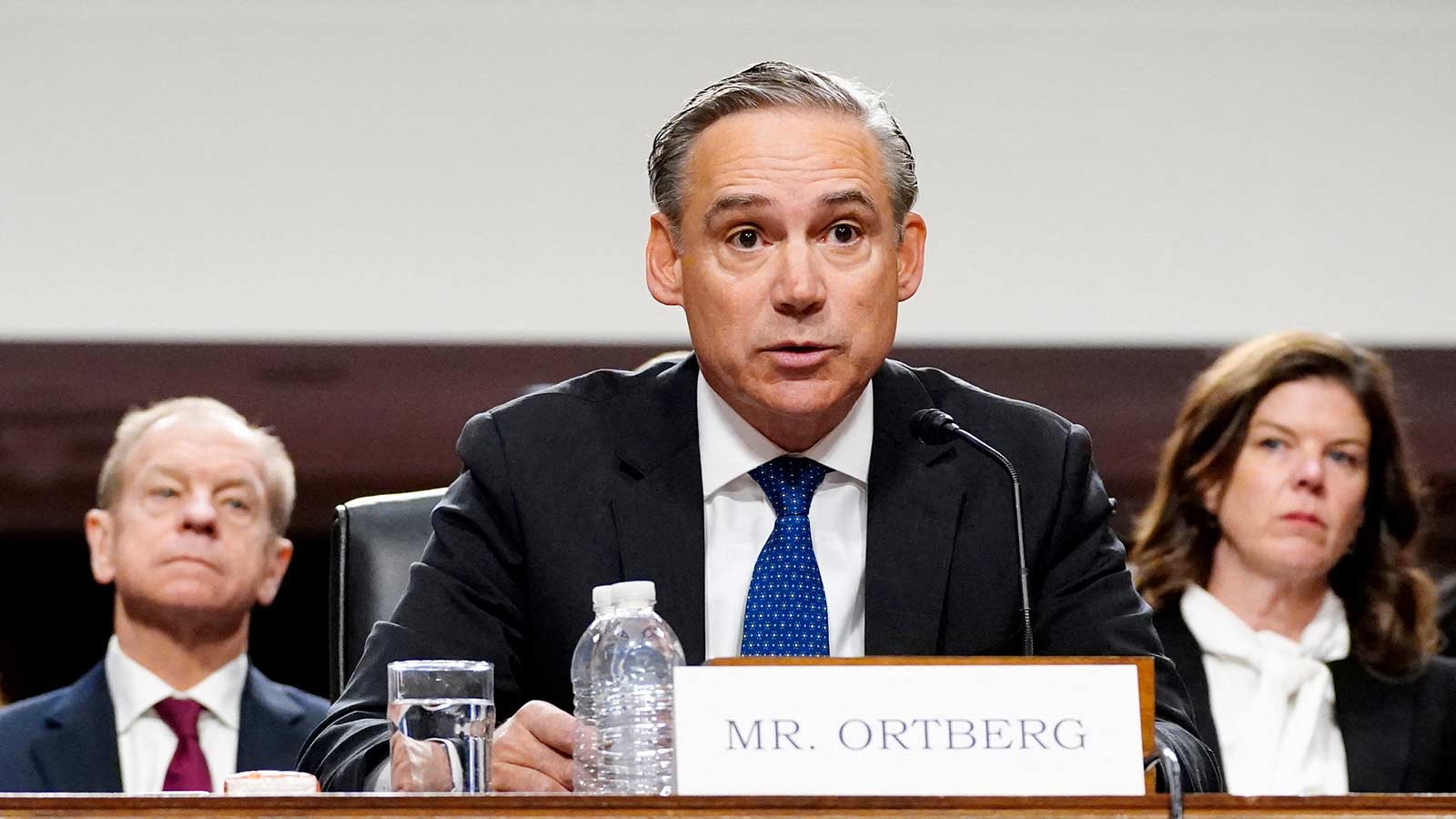
- Boeing CEO Kelly Ortberg testified before the Senate Commerce Committee on April 2, 2025.
- The hearing focused on Boeing’s safety and manufacturing reforms after a 2024 mid-air incident.
- Ortberg outlined sweeping changes to the company’s processes and structure.
- Senators emphasized the need for transparency and accountability in Boeing’s turnaround.
- The FAA is monitoring Boeing’s compliance with its safety overhaul plan.
Background: Boeing’s Recent Challenges
Boeing has faced significant scrutiny in recent years due to a series of safety and manufacturing issues. The most notable incident occurred in January 2024, when a mid-air emergency involving a 737 MAX highlighted critical manufacturing lapses. The incident, which involved a door plug blowout caused by missing bolts, underscored systemic problems within Boeing’s production processes.
These challenges have tarnished Boeing’s reputation as a leading aircraft manufacturer and raised questions about its commitment to safety. In response, the company has implemented a series of reforms aimed at addressing these concerns and rebuilding trust with regulators, customers, and the public.
Senate Hearing: Ortberg’s Testimony
On April 2, 2025, Boeing CEO Kelly Ortberg appeared before the Senate Commerce, Science, and Transportation Committee to provide an update on the company’s progress. Ortberg, who assumed the role of CEO in August 2024, acknowledged the company’s past failures and outlined the steps being taken to ensure such incidents are not repeated.
“Boeing has made serious missteps in recent years — and it is unacceptable,” Ortberg stated during his testimony. “In response, we have made sweeping changes to the people, processes, and overall structure of our company. While there is still work ahead of us, these profound changes are underpinned by the deep commitment from all of us to the safety of our products and services.”
Key Reforms Highlighted
Ortberg detailed several key reforms that Boeing has implemented since the 2024 incident:
- Enhanced Training: Boeing has introduced additional training programs for its employees, focusing on safety protocols and quality assurance.
- Improved Quality Inspections: The company has increased the frequency and rigor of inspections for its aircraft components, particularly for the 737 MAX.
- Factory Oversight: Managers are now required to spend more time on the factory floor to ensure compliance with safety and manufacturing standards.
- Structural Changes: Boeing has reorganized its management structure to prioritize safety and quality over production speed.
These measures are part of a broader plan submitted to the Federal Aviation Administration (FAA) in May 2024. The FAA has been closely monitoring Boeing’s compliance with this plan and has imposed production limits on the 737 MAX until the company demonstrates sustained improvements.
Senators’ Concerns and Recommendations
The Senate hearing provided an opportunity for lawmakers to question Ortberg about Boeing’s progress and future plans. Committee Chairman Sen. Ted Cruz (R-Texas) emphasized the importance of transparency and accountability in the company’s turnaround efforts.
“Boeing has been a great American manufacturer, and all of us should want to see it thrive,” Cruz said. “Given Boeing’s past missteps and problems, the flying public deserves to hear what changes are being made to rehabilitate the company’s tarnished reputation.”
Other senators raised concerns about the pace of reforms and the potential for future incidents. They urged Boeing to prioritize safety above all else and to foster a culture of openness where employees feel empowered to report issues without fear of retaliation.
Future Outlook
Boeing’s path to recovery remains challenging, but the company has expressed a strong commitment to rebuilding trust and ensuring the safety of its products. Ortberg’s testimony highlighted the progress made so far, but it also underscored the need for continued vigilance and improvement.
The FAA’s oversight will play a critical role in determining the success of Boeing’s reforms. As the company works to address its shortcomings, it must demonstrate that it can consistently meet the highest standards of safety and quality. Only then can it fully restore its reputation and regain the confidence of regulators, customers, and the public.