
Quick Read
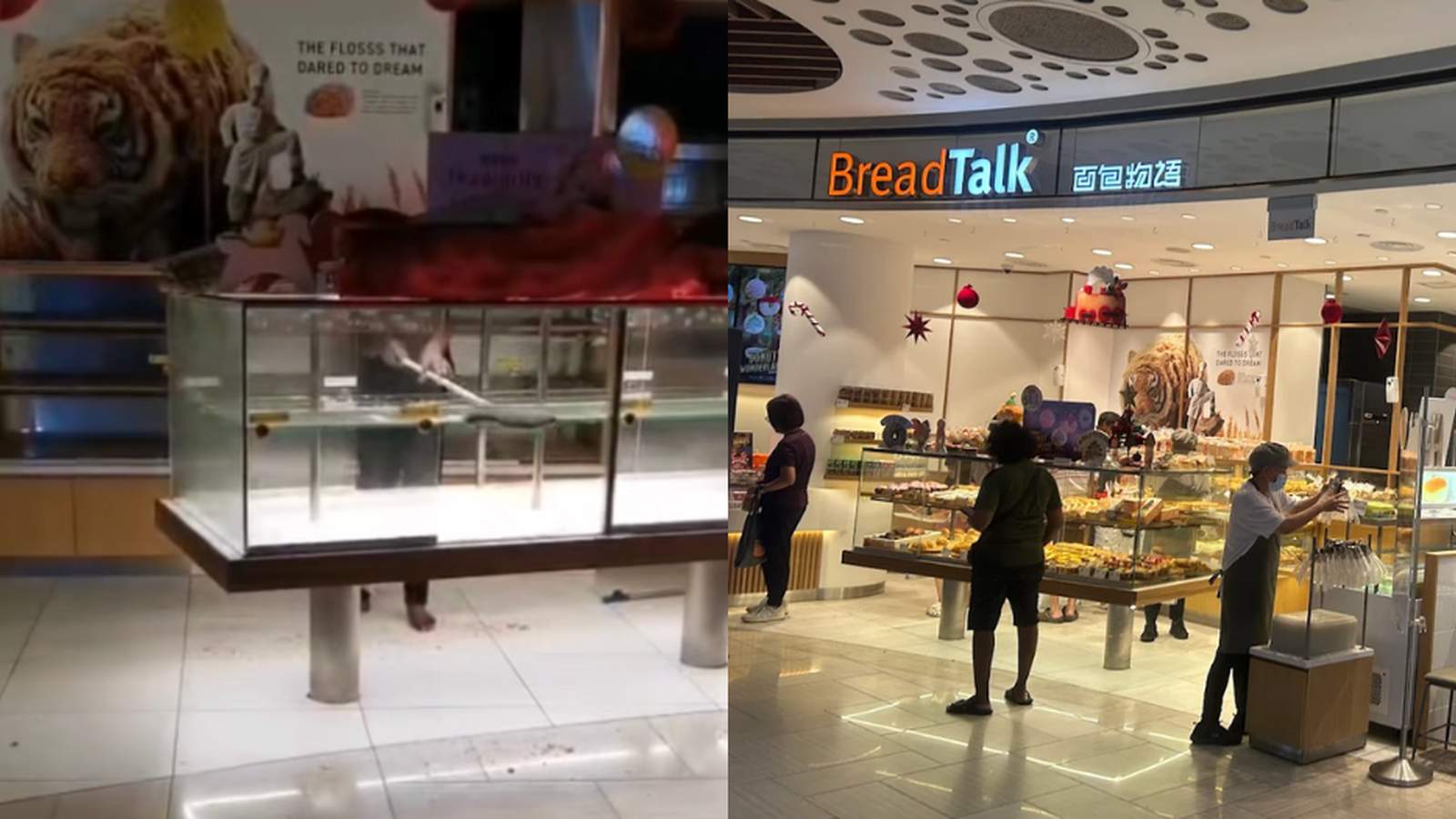
- A worker was dismissed for using a broom to clean display shelves at BreadTalk’s Eastpoint Mall outlet in Singapore.
- The incident, captured in a viral video, prompted a public apology from BreadTalk and a deep cleaning of the affected store.
- The Singapore Food Agency (SFA) has initiated a review of the incident, focusing on hygiene practices and staff training.
- BreadTalk emphasized that the worker was employed by an external cleaning company and their actions did not reflect the company’s strict food safety protocols.
SINGAPORE (Azat TV) – BreadTalk Group, a prominent food and beverage company operating over 660 outlets across 14 international markets, recently confirmed the dismissal of a worker involved in an unhygienic cleaning incident at its Eastpoint Mall outlet in Singapore. The incident, captured in a viral online video, showed a worker using a broom to clean display shelves, sparking significant public concern regarding food safety and hygiene. This swift response from BreadTalk and the ensuing regulatory review by the Singapore Food Agency (SFA) underscore the critical and ongoing need for robust professional training and adherence to stringent operational standards across the food service industry.
The incident, which occurred last week, quickly garnered widespread attention after footage circulated online, depicting what many described as an unacceptable cleaning practice. A BreadTalk spokeswoman issued a sincere apology, stating that the company took the matter very seriously. The individual in question was an employee of an external cleaning company engaged by the local bakery and confectionery chain, not a direct BreadTalk staff member. Despite this, BreadTalk Group emphasized that the observed actions did not reflect its strict food safety and hygiene procedures, which mandate the use of designated food-safe cloths and approved cleaning solutions for display shelves.
BreadTalk’s Immediate Response to Hygiene Concerns
Upon learning of the breach, BreadTalk Group initiated immediate corrective measures to mitigate any potential risks and restore consumer confidence. The company promptly conducted a thorough deep cleaning and disinfection of the affected Eastpoint Mall store. As a precautionary measure, all products that were on display at the time of the incident were discarded. BreadTalk’s decisive actions aimed to demonstrate its commitment to upholding the highest standards of food safety and hygiene, crucial for a brand with a significant international presence.
The Singapore Food Agency (SFA) has since launched a review of the incident. The SFA’s investigation will typically focus on various aspects, including hygiene practices, staff training protocols, and food display standards. The outcome of this review is expected to guide how food chains, including BreadTalk, calibrate their daily workflows and oversight mechanisms to prevent similar incidents. For investors and consumers alike, the case spotlights the critical importance of food safety standards in Singapore, the potential for reputational exposure, and the cost pressures that can arise if audits and training requirements are tightened.
Industry-Wide Implications for Food Safety and Training
The viral nature of the incident highlighted how rapidly a single lapse can travel across social media, compressing response times and magnifying potential brand damage. Industry experts note that consumer trust is paramount in the bakery sector, and such hygiene lapses can lead to a pause in purchases or a shift to rival businesses. To rebuild and maintain trust, companies are often advised to implement clear timelines for corrective actions, conduct third-party audits, and ensure visible, documented retraining of staff. Daily checklists, sealed displays, and CCTV-supported Standard Operating Procedure (SOP) reviews are also crucial for reassuring shoppers about food safety. Publishing hygiene scores and actively responding to customer feedback can further help contain brand risk.
Beyond immediate remediation, the BreadTalk incident serves as a stark reminder for the entire food and beverage sector about the necessity of continuous investment in workforce capabilities. Proactive measures, such as refreshing SOPs, tightening contractor oversight, and regular retraining of all personnel—including those from third-party vendors—are essential. This focus aligns with broader industry movements towards upskilling and professional development, ensuring that all employees, regardless of their direct employer, adhere to the highest standards of food handling and hygiene. Such continuous learning and skill enhancement are vital not only for compliance but also for fostering a culture of excellence and accountability that safeguards public health and brand reputation.
The incident underscores that in a competitive global market, maintaining consumer trust is inextricably linked to operational excellence and a steadfast commitment to professional development. For companies like BreadTalk, investing in robust training programs and stringent quality assurance is not merely a reactive measure to an incident, but a proactive strategy for sustainable growth and long-term brand integrity.